Skip to content

How to Choose the Best Outdoor Lounge Chairs?

Outdoor Lounge Chairs can turn a bare patio into a place where people linger. Yet the best choice is not always the most stylish one. It should feel comfortable after an hour, suit your space, and withstand your local weather.

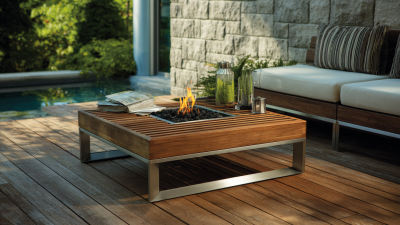
The global outdoor furniture market was valued at approximately $51.4 billion in 2023, according to Grand View Research’s market report. That figure reflects a broad category, not a guarantee of quality. For shoppers, the useful lesson is simpler: compare frame materials, fabric performance, seat depth, and care needs before focusing on appearance. Landscape designer Scott Cohen’s practical guidance can be summed up this way: choose outdoor seating for how people will actually use the space. Consider a low chair beside a fire table, or a deeper seat for reading under a covered patio.

Small details matter. Check whether cushions dry quickly after rain, whether the arms feel natural, and whether the chair fits through your gate. Measure first. A beautiful chair can still be awkward.

This guide explains how to weigh comfort, durability, style, and price when choosing Outdoor Lounge Chairs. One point deserves a second look: broad market reports cannot tell you how a chair feels beneath your shoulders. Whenever possible, sit in it before buying.

How to Choose the Best Outdoor Lounge Chairs?

Identify Your Space, Climate, and Intended Use

Choosing outdoor lounge chairs starts with the space, not the style. Measure the usable area, including room to pull out a chair and walk past it. On a narrow balcony, a deep reclining chair may block the door or leave little room for a side table. Leave enough clearance for cushions and chair legs, too. Small details matter.

Then consider your local climate and how you plan to use the chairs. Strong afternoon sun can fade fabric and heat dark surfaces; frequent rain calls for quick-drying materials and cushions that can be stored indoors. In windy spots, heavier frames may stay put more reliably than lightweight ones. Check care instructions before buying, since “weather-resistant” does not mean maintenance-free. A common planning mistake is choosing a chair that looks comfortable but lacks enough seat depth for long, relaxed reading. If you mainly host guests, prioritize easy movement and seats that suit different body sizes. For quiet lounging, test the recline and arm height when possible. That distinction matters. A small measuring error can be annoying.
Compare Frame and Cushion Materials for Outdoor Conditions

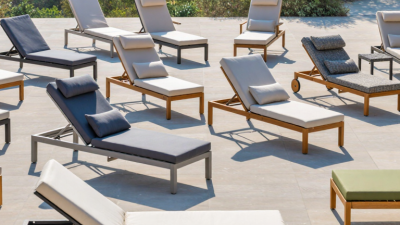
Outdoor lounge chairs face more than sunshine: dew, grit, sudden showers, and hot surfaces all test their materials. Powder-coated aluminum is light and resists rust, but a deep scratch can expose the metal beneath. Stainless steel feels sturdier, though salt air can still mark it; inspect joints and fasteners, not just the finish. Teak and other dense hardwoods weather well, but need cleaning and may fade to a silvery tone. Small details matter. A chair that looks solid in a showroom may feel cumbersome when you move it across a damp patio.

For cushions, check the fabric, inner filling, seams, and drainage. Solution-dyed outdoor fabric tends to hold color better in strong sunlight, while removable covers make cleaning easier. Water-resistant is not waterproof. Quick-dry foam lets water drain faster than conventional upholstery foam, but cushions still need time to dry after heavy rain. I’d be cautious about any cushion that feels plush but has tightly sealed seams and no clear way for water to escape.

Match materials to your actual setting. A covered balcony may need less weather protection than an open deck near the coast. Dark fabric can become uncomfortably hot in full sun, and lightweight frames may shift in strong winds. It is easy to focus on fabric swatches and overlook those practical annoyances. A small test helps: lift the chair, press the cushion, and check whether the cover can be removed without a struggle.

Evaluate Comfort, Adjustability, and Support

Outdoor lounge chairs should feel comfortable beyond a quick showroom sit. Test one for ten minutes in your usual posture. Your hips should rest evenly, with space behind your knees. A cushion may feel plush at first, then flatten or trap heat in afternoon sun. Small details matter.

Check adjustability in person, not just on a product page. Move the backrest through each setting and make sure it stays secure. For reading, a moderate recline can support your shoulders without pushing your chin forward. If you plan to nap, shift your weight and check that the chair remains steady. A footrest helps only when its height suits your legs. No setting fits everyone.

Tips: Sit, recline, and stand up several times before choosing. Check whether the armrests support your elbows without raising your shoulders. Test the chair on a surface like your patio, especially if the pavers are uneven. It is easy to overlook stability indoors, then regret it outside. That deserves a second look.

Check Durability, Maintenance, and Weather Resistance

How to Choose the Best Outdoor Lounge Chairs?

Check Durability, Maintenance, and Weather Resistance

A lounge chair may look sturdy in a showroom but struggle after one wet season. Check the frame, joints, fasteners, and fabric—not just the finish. Aluminum is light and won’t rust like untreated steel, but thin tubing can flex. For wood, inspect sealed end grain and tight joints.

The USDA Forest Products Laboratory’s 2021 Wood Handbook shows that, at 70°F, wood’s equilibrium moisture content shifts from about 6.2% at 30% relative humidity to 13.0% at 70%. That movement can stress joints and finishes. It’s easy to overlook.

For changing weather, look for UV-resistant fabric, drainage-friendly cushions, and corrosion-resistant hardware. Ask whether cushion covers can be removed and whether replacement parts are available. Maintenance matters, too: a quick rinse may be enough for some frames, while wood may need periodic cleaning and renewed protective treatment. Follow the maker’s care instructions, and check seams after heavy rain. No material is maintenance-free; that claim deserves a closer look.

Tips: Leave space beneath cushions for airflow, and store them dry when storms are expected. Once a month, check screws, fabric seams, and water trapped around joints. Small checks help. Don’t assume a covered chair is fully protected from damp air.

Balance Size, Style, and Budget Before Choosing

How to Choose the Best Outdoor Lounge Chairs?

Balance Size, Style, and Budget Before Choosing

Start with the space, not the showroom appeal. Measure the chair’s full footprint, including its reclined position, and mark it on the patio with tape. Check that doors still open and walking paths stay clear. Grand View Research estimated the global outdoor furniture market at about $50.8 billion in 2023, reflecting a wide range of designs and price points. More choice can help, but it can also make comparison harder. A chair that looks slim online may feel bulky once cushions are added.

Match the style to the setting, then check materials and comfort. A low, deep seat suits relaxed lounging, while an upright back may work better for reading or conversation. Sit in a similar chair if possible; product photos cannot show how firm a cushion feels. Compare total costs, including replacement cushions, covers, and seasonal storage. A higher price does not guarantee better fit. I would reconsider any choice that leaves too little room to move.

Tips: Measure twice. Set a budget before browsing, and keep a little aside for care items. For small patios, choose chairs with simple frames and lighter visual profiles. Check care instructions against your local weather, since even durable finishes need attention.