
What Is the Best Art Furniture to Buy in 2026?
What Is the Best Art Furniture to Buy in 2026? The answer depends on more than appearance. A successful piece should combine sculptural character, daily function, durable materials, and credible authorship. It should also suit the room’s scale, light, and movement.
Market evidence offers useful direction. The Art Basel and UBS Art Market Report 2024 recorded global art sales of approximately $65 billion in 2023. Sales declined by 4%, reminding buyers to examine value carefully. Grand View Research projects continued growth in the global furniture market through 2030. However, broad market growth does not guarantee quality. Art Furniture remains a highly individual purchase.
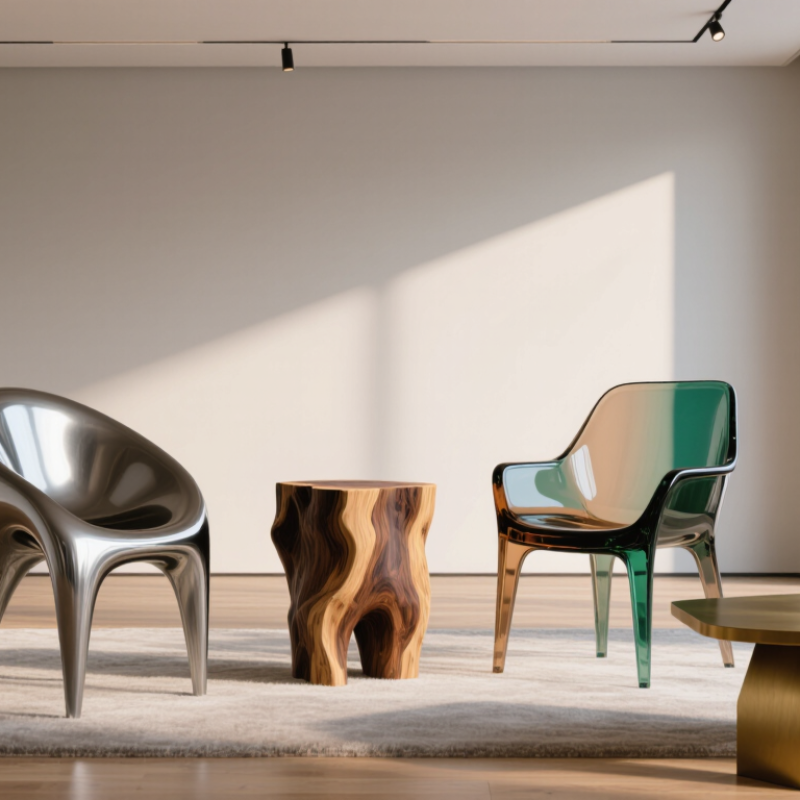
Wendell Castle, a leading American furniture artist, expressed the category clearly: “I make furniture, but I don’t think of it as furniture. I think of it as sculpture.” His statement still matters in 2026. The best pieces may include carved wood, cast resin, polished metal, or unexpected asymmetry. They should create a focal point without making the room uncomfortable.
This guide will assess limited editions, functional sculptures, collectible design, and handmade statement pieces. Provenance matters. So do joinery, surface stability, repair access, and the maker’s production history. A famous name can still produce an unsuitable chair. A lesser-known studio may offer stronger craftsmanship and better proportion.
There is no perfect ranking. Personal experience, budget, and intended use must remain part of the decision. Good Art Furniture should invite attention, but it should also earn its place every day.
What Defines Art Furniture in 2026?
What Is the Best Art Furniture to Buy in 2026?
What Defines Art Furniture in 2026?
Art furniture is no longer defined by unusual shapes alone. It combines usable design, skilled construction, and a clear artistic idea. A sculptural chair should still support the body. A carved cabinet should open smoothly. The object must live well, not merely photograph well.
The category remains difficult to measure. Major industry reports rarely separate art furniture from premium or collectible furniture. Grand View Research valued the global furniture market at approximately $516.66 billion in 2023, showing the sector’s scale. The 2024 Art Basel and UBS Global Art Market Report recorded global art sales of about $65 billion in 2023. These figures suggest strong cultural interest, but they do not prove that every artistic piece is a sound purchase.
In 2026, buyers should examine materials, joinery, repair options, and documented origin. Reclaimed wood can show beautiful scars. It can also hide instability. Natural stone may offer permanence, yet its weight limits practical placement. Ask how the surface ages under sunlight and daily contact. I have found that a dramatic silhouette attracts attention first, while careful edges and balanced proportions determine long-term satisfaction. Certification can support responsible sourcing, but paperwork is not a substitute for inspection. The best art furniture feels expressive, stable, and honest about its imperfections.
What Is the Best Art Furniture to Buy in 2026? - What Defines Art Furniture in 2026?
| Art Furniture Type | What Defines It | Common Materials | Practical Use | What to Check Before Buying |
|---|---|---|---|---|
| Sculptural chair | A chair whose silhouette, proportions, or surface treatment gives it a strong visual presence while retaining a usable seat and supportive structure. | Wood, metal, molded materials, upholstery, or combinations of these. | Seating that can also serve as a focal point in a living room, studio, or reading area. | Test comfort and stability; check seat height, back support, construction, and upholstery care requirements. |
| Artistic side or coffee table | A functional surface shaped by distinctive geometry, material contrast, texture, or an expressive base. | Wood, stone, glass, ceramic, and metal. | Holding everyday items while adding a visual accent to a seating area. | Check that the top is level and stable, the dimensions suit the room, and the surface is appropriate for expected use. |
| Hand-carved cabinet or chest | Storage furniture in which carved, sculpted, or carefully worked surfaces are a central part of the design. | Solid wood, wood veneer, and metal hardware. | Concealed storage with decorative impact in a dining room, bedroom, or entryway. | Inspect doors, drawers, joinery, and finish. Solid wood can change dimension with shifts in humidity, so consider the room’s conditions. |
| Studio-made functional object | A piece made in a small workshop or by an individual maker, often with visible handwork or variations between pieces. | May include wood, metal, clay, textiles, or mixed materials. | Useful furniture chosen for its particular form, craftsmanship, or material character. | Ask about dimensions, materials, care, repairs, and whether variations are expected; confirm that the piece meets your functional needs. |
| Vintage or collectible furniture | An older or collectible piece valued for its design, craftsmanship, history, or rarity as well as its practical function. | Varies by piece and period; may include wood, metal, glass, and upholstery. | A distinctive furnishing that can provide seating, storage, or a surface while contributing character to a room. | Review condition, repairs, wear, stability, and provenance documentation where available. Allow for restoration or specialist care if needed. |
| Mixed-material statement piece | Furniture that combines contrasting materials or finishes as part of its visual composition, rather than treating them as purely decorative add-ons. | Combinations such as wood and metal, stone and wood, or glass and metal. | A focal-point item, such as a console, bench, or occasional table, with a clear everyday purpose. | Check how materials are joined, whether edges and finishes are durable, and whether cleaning products are suitable for every surface. |
What defines art furniture: It combines a practical purpose with considered form, materials, craftsmanship, or artistic expression. The best choice depends on how you will use it, the space available, and the maintenance it requires.
Related Posts
-

Maximizing Value with Best Outdoor Table and Chair Set through After Sales Service and Repair Strategies
-
Top Lounge Chair Trends for 2026 What to Look For?
-

Addressing the Challenges of Choosing Art Furniture for Your Unique Space
-

What Makes the Best Outdoor Side Table Essential for Your Patio?
-

Benefits of Choosing the Best Patio Table And Chairs for Outdoor Comfort
-

What is the Significance of Selecting the Best Outdoor Chaise Lounge for Your Business