How to Choose an Antique Stool in 2026?
Choosing an Antique Stool in 2026 requires more than admiring its aged finish. A beautiful shape may hide unstable joints, replaced legs, or unsafe upholstery. This guide explains how to assess craftsmanship, condition, provenance, comfort, and fair value before purchasing.
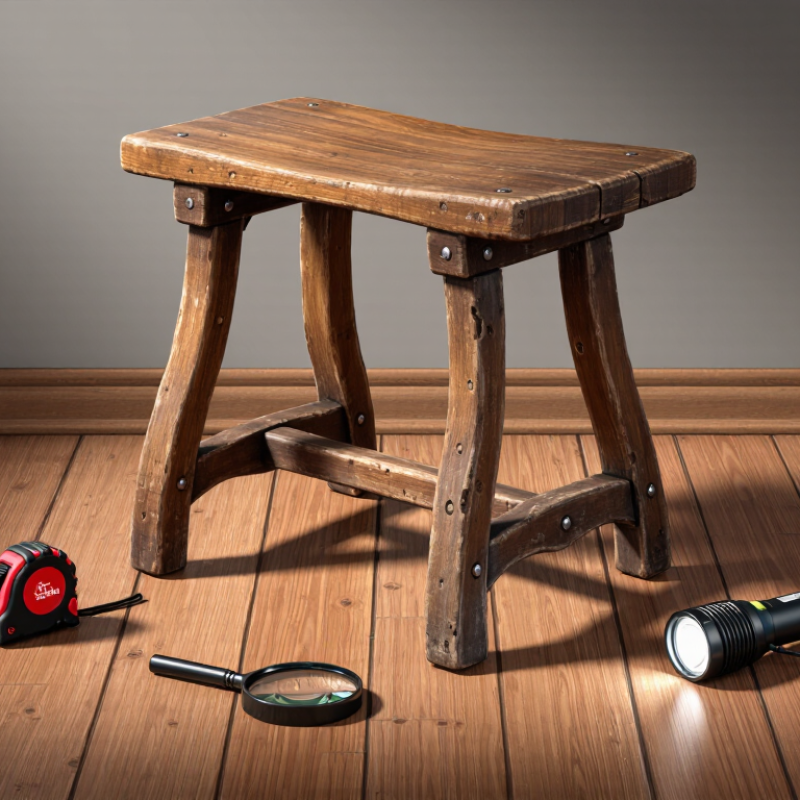
Look closely. Run your hand beneath the seat and inspect every corner with a small flashlight. Hand-cut dovetails, worn tool marks, uneven patina, and traditional joinery can support an earlier date. However, these details are not proof alone. Modern reproductions may imitate them convincingly. Check for woodworm holes, fresh glue, split rails, loose stretchers, and suspiciously uniform staining. Measure the seat height, width, and depth against your intended space. An attractive stool becomes disappointing when it feels cramped or unstable.
Reliable buying also depends on evidence. Ask the dealer about ownership history, restoration records, timber type, and previous repairs. Request clear photographs of the underside, feet, and structural joints. An independent appraiser or furniture conservator can identify repairs that casual inspection misses. Local regulations may affect protected woods, imported materials, or cultural objects, so verify documentation before payment. Be cautious with confident labels such as “original” or “museum quality.” Even experienced buyers can misread restoration. That uncertainty deserves honest pricing. In 2026, the best choice balances historical character with safe, practical use. A slightly imperfect Antique Stool, properly documented and structurally sound, may offer more value than a flawless-looking imitation.
Define What Makes a Stool Truly Antique in 2026
How to Choose an Antique Stool in 2026?
Define What Makes a Stool Truly Antique in 2026
In 2026, an antique stool is generally understood as an object over 100 years old. However, age alone proves very little. Definitions can vary by region, auction house, and specialist practice. A recently distressed stool may show artificial cracks, uneven coloring, or convincing imitation wormholes.
Study the construction closely. Genuine older stools often display hand-cut joinery, slight asymmetry, and tool marks beneath the seat. Check the underside, not only the attractive surfaces. Look for old nails, wood shrinkage, layered repairs, and naturally worn edges where hands and shoes repeatedly touched the stool. The wear should make sense.
Materials provide useful evidence. Timber may show a softened grain, a dry interior, or old staining around joints. Upholstery should be examined carefully because fabric is often replaced. Replacement does not automatically reduce a stool’s value, but it should be clearly disclosed. Provenance, such as an old inventory record, family photograph, or estate document, strengthens the claim.
I once trusted a beautiful patina too quickly.
That was a mistake.
A dark finish can hide modern alterations. Even experienced dealers can disagree about a stool’s exact date. Ask for detailed photographs, repair history, measurements, and a written condition report. If the seller avoids the underside or gives vague answers, pause before purchasing. A truly antique stool should show a coherent history, not just an old-fashioned appearance.
Identify the Stool’s Period, Style, Materials, and Construction
How to Choose an Antique Stool in 2026?
Begin by identifying the stool’s period, not just its age. Examine its silhouette, joinery, and surface wear under natural light. Turn it over and inspect the underside carefully. Hand-cut dovetails, uneven tool marks, and wooden pegs may suggest earlier construction. Machine-cut joints usually indicate later production. These clues are useful, but none proves a date alone.
Style can narrow the search. A turned-leg stool may reflect a traditional vernacular influence, while a low, upholstered form may suit a later decorative period. Compare the proportions with reliable museum references and specialist catalogues. Materials also matter. Oak, walnut, beech, and elm age differently, showing distinct grain, density, and color. Look for honest patina, not an artificially darkened finish. Smell can help too; fresh solvent odors may indicate recent refinishing.
Construction often reveals more than decoration. Check whether the legs meet the seat securely, whether the stretchers are original, and whether repairs use compatible wood. A stable stool may still have replaced parts. I once judged a stool by its attractive surface and missed a modern seat frame beneath it. That mistake changed my inspection routine. I now photograph every joint and record loose fittings before making an offer. Ask for restoration details, measurements, and clear images of hidden areas. If the period remains uncertain, seek an independent furniture appraiser. A confident guess is not reliable evidence.
How to Choose an Antique Stool in 2026?
Identify the stool’s period, style, materials, and construction before assessing its value or authenticity.
The chart shows broad, commonly used reference ranges for major furniture periods and styles. These dates overlap because design traditions continued across regions and did not change at the same time.
What to Inspect
| Feature | Useful Clues |
|---|---|
| Style | Compare the legs, apron, stretchers, ornament, and overall proportions with period furniture references. |
| Materials | Look for species-appropriate timber, naturally aged surfaces, period upholstery materials, and consistent wear. |
| Construction | Hand-cut joints, irregular tool marks, wooden pegs, and settlement movement may support age; uniform machine-made parts may indicate later manufacture or restoration. |
| Condition | Check structural stability, replaced parts, refinishing, insect damage, and whether repairs are disclosed. |
Check Authenticity, Condition, Repairs, and Structural Safety
How to Choose an Antique Stool in 2026?
An antique stool should show a believable history, not just an aged appearance. Examine the wood under natural light. Look for uneven color, softened edges, hand-cut joinery, and wear on the footrest. Fresh tool marks can signal recent construction. Artificially darkened surfaces deserve caution. Patina alone proves little. Ask about the stool’s origin, previous repairs, and ownership records. Clear answers increase confidence, but paperwork is not absolute proof.
Condition matters more than attractive photographs. Turn the stool upside down and inspect every joint, stretcher, and underside rail. Small gaps may be stable, while movement can indicate failing glue or weakened wood. Check for active insects, powder, damp smells, and deep cracks. Old repairs are not automatically bad. A carefully fitted wooden insert may preserve the stool, while excessive filler can hide serious damage. I once trusted a charming seat with a quiet wobble; the defect became obvious after several uses. That mistake changed my inspection habits.
Sit down gently and test the stool on a level floor. It should remain steady without creaking, twisting, or shifting. Press lightly against each leg. Unequal contact may reveal distortion. Avoid aggressive load testing, especially when the structure is uncertain. Have a qualified furniture conservator assess valuable or heavily repaired pieces. Their opinion can prevent an expensive and unsafe choice.
How to Choose an Antique Stool in 2026? - Check Authenticity, Condition, Repairs, and Structural Safety
| Assessment Area | What to Check | Reliable Indicators | Risk Level | Recommended Action |
|---|---|---|---|---|
| Age and Provenance | Ask when, where, and how the stool was acquired. Review any invoices, estate records, photographs, or written history. | A consistent ownership history is more useful than an unsupported verbal claim. Documentation should match the stool’s style, materials, and construction. | Medium | Treat undocumented age claims as unverified. Obtain an independent appraisal for a high-value purchase. |
| Construction Method | Inspect joints, legs, stretchers, seat supports, and underside construction. | Hand-cut dovetails, irregular tool marks, old screw slots, pegged joints, and naturally varied dimensions can support age, but none proves authenticity alone. | Medium | Compare several construction details instead of relying on a single feature. Ask a qualified specialist when evidence conflicts. |
| Materials and Wood Grain | Check the timber species, grain direction, end grain, veneer, upholstery, and any replacement components. | Consistent aging, compatible timber, oxidation in sheltered areas, and natural surface variation may support an older object. Uniformly new surfaces may indicate later manufacture or refinishing. | Medium | Do not use color alone to date a stool. Avoid destructive testing unless performed by a conservation professional. |
| Surface and Finish | Look for patina, finish wear, scratches, stains, polish residue, paint layers, and areas that appear unusually fresh. | Wear is normally concentrated on edges, foot rails, seat surfaces, and touch points. Artificially even distressing can be a warning sign. | Low–Medium | Preserve original finish when possible. Ask whether the stool has been stripped, stained, waxed, or lacquered. |
| Repairs and Replacements | Inspect glue lines, filler, dowels, screws, nails, replacement legs, new stretchers, patched cracks, and reupholstery. | Older repairs may show darkened glue, tool marks, and compatible wear. Bright wood, modern fasteners, or sharply contrasting materials usually indicate later work. | Low–High | A disclosed, stable repair is generally preferable to hidden damage. Reduce the purchase price when repairs affect originality or value. |
| Cracks and Splits | Check legs, seat rails, mortise areas, corners, and end grain for open or repaired cracks. | A crack that extends through a load-bearing joint or follows the grain along a leg can weaken the stool. Stable, closed hairline cracks are usually less serious. | High | Do not use the stool until a furniture conservator or experienced restorer confirms that structural cracks are stable. |
| Stability and Level | Place the stool on a flat surface and gently test for rocking, twisting, loose joints, and uneven leg contact. | A stable stool should sit firmly with no noticeable movement when lightly loaded. Rocking may result from distorted joints, shortened legs, or an uneven floor. | High | Do not compensate for instability with loose pads or improvised wedges. Have the joints assessed and repaired properly. |
| Load-Bearing Capacity | Examine the seat frame, leg joints, stretchers, and support blocks before sitting on it. | Antique stools do not have one universal safe weight limit. Capacity depends on design, materials, condition, repairs, and construction quality. | High | Never exceed a documented manufacturer or engineer rating. If no rating exists, use it for display until its structure is professionally evaluated. |
| Woodworm, Moisture, and Pests | Look for fresh dust, small exit holes, soft wood, water marks, mold odor, swelling, and staining. | Fresh pale frass or clean new holes may indicate active insects. Old dark holes can be inactive, but visual inspection alone cannot confirm activity. | Medium–High | Isolate a suspected infested stool from other wooden furniture and obtain a pest inspection before bringing it indoors. |
| Comfort and Intended Use | Measure seat height, width, depth, foot support, and upholstery condition for the intended user. | Traditional antique stools may have dimensions that differ from modern seating. Brittle upholstery, exposed tacks, and hard edges can affect safe daily use. | Low–Medium | Choose display use when the stool is fragile, unusually small, or structurally unsuitable for regular seating. |
| Price and Total Cost | Include purchase price, inspection, transport, conservation, upholstery, pest treatment, and insurance. | A low purchase price can become expensive when the stool needs structural repair, specialist cleaning, or safe transport. | Medium | Set a repair budget before buying and obtain written estimates for significant work. Value originality and stability together. |
Compare Provenance, Market Value, and Fair Pricing
How to Choose an Antique Stool in 2026?
Provenance should guide your inspection, not replace it. Ask where the stool was found, who owned it, and when it changed hands. Useful evidence includes old photographs, estate records, exhibition notes, and dated purchase receipts. Examine the underside carefully. Original screws, uneven tool marks, and aged wood joints can support an earlier history. Fresh glue or uniform replacement parts may indicate restoration. Provenance can be incomplete. That is normal, but unexplained gaps should reduce your confidence.
Market value depends on condition, rarity, construction, and current demand. Compare recent sales of similar stools, not optimistic asking prices. Measure height, seat width, wood type, and decorative details. A quiet provincial stool may cost less than a documented ceremonial example, even when both look attractive. Consult an independent appraiser or a conservator when the price feels significant. Their written assessment can reveal structural repairs that photographs hide.
I once overlooked a small seat crack because the patina looked excellent. That mistake changed how I inspect every piece.
Fair pricing should include repair costs, shipping, and a risk allowance. Separate original features from later additions before negotiating. A stool priced at 900 dollars may become expensive after 250 dollars in stabilisation work. Request condition photos in natural light, especially around joints and the feet. Walk away when the seller avoids clear answers. A fair deal should leave room for uncertainty, not punish you for asking careful questions.
Match the Stool to Your Space, Needs, and Care Commitment
How to Choose an Antique Stool in 2026?
An antique stool should fit your space before it impresses your eye. Measure the available width, height, and walking clearance carefully. Measure twice. For a standard kitchen counter, a seat around 24 to 26 inches usually works well. Taller surfaces may need a 28 to 30-inch stool. Leave enough room for knees and easy movement. A narrow hallway may suit a backless stool, while a reading corner benefits from a shaped seat and supportive back.
Your daily habits matter just as much. Check the stool while standing nearby, then sit on it for several minutes. A stable footrest reduces pressure on your legs. Examine the joints, stretchers, and underside for repairs or loose connections. Small scratches can add character, but active wood movement deserves attention. I once chose a beautiful stool with an uneven leg. It looked fine in the shop, yet rocked on a hard floor at home. I should have tested it more carefully.
Care commitment is equally important. Dry timber may need gentle conditioning, while painted surfaces can require lighter cleaning. Avoid harsh chemicals and excessive moisture. Keep the stool away from radiators, strong sunlight, and damp walls. Upholstered seats need regular vacuuming and prompt attention to spills. Original wear is valuable, but fragile finishes are not maintenance-free. A stool requiring specialist conservation may be unsuitable for a busy household. Surface history can be fascinating, though sometimes practicality has to win.
Related Posts
-
How to Choose the Best Outdoor Coffee Table for Your Space?
-
How to Choose the Perfect Vintage Coffee Table for Your Home?
-
The Future of Garden Tables Redefining Outdoor Living Spaces
-

Top 10 Outdoor Lounge Chairs for Global Buyers
-
Ultimate Guide to Choosing the Perfect Outdoor Table for Your Space
-

7 Reasons Why the Best Glass Coffee Table Can Transform Your Living Space in 2023