Skip to content

What Are the Top Outdoor Lounge Furniture Trends for 2026?

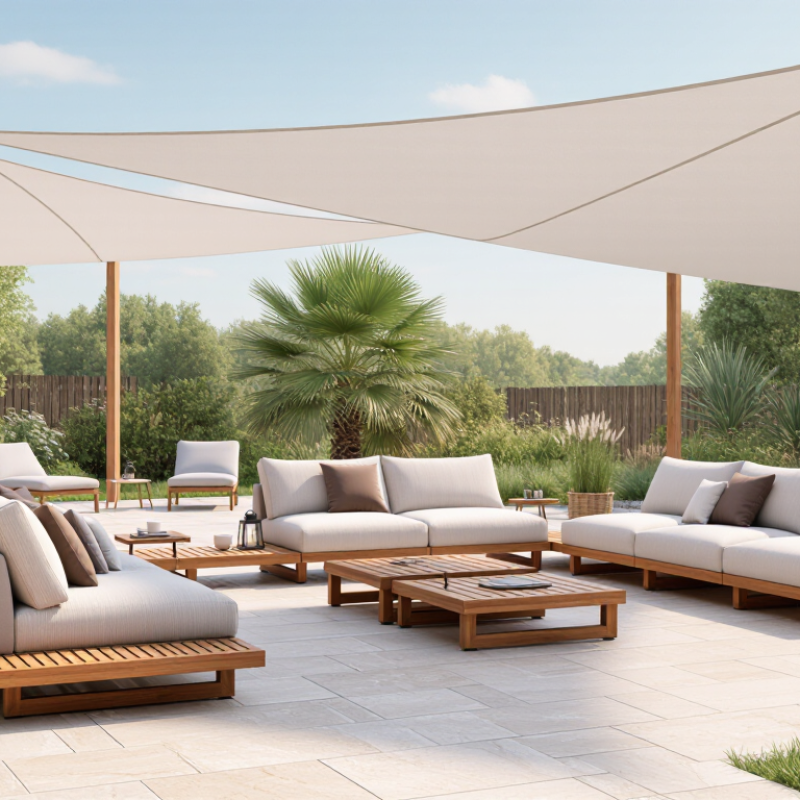
In 2026, the Outdoor Lounge is becoming more than a place to park a chair. Homeowners want flexible rooms for morning coffee, relaxed meals, and long evenings outdoors. Expect modular sofas, deeper seats, tactile performance fabrics, and low tables that can shift between uses. Warm neutrals and natural-looking finishes should feel at home beside stone patios and leafy gardens. Comfort matters. Yet a beautiful setup can still disappoint if cushions stay damp or seating blocks the path to the garden.

Spending data helps explain why these spaces deserve careful planning. The 2024 U.S. Houzz Outdoor Trends Study reported that median outdoor-project spending reached $2,000 in 2023, a 59% rise from 2022. That figure covers varied projects, not lounge furniture alone, so it is a signal—not a furniture forecast. Public-space researcher William H. Whyte offered a useful design reminder: “What attracts people most, it would appear, is other people.” His observation points toward layouts that make conversation easy, rather than arrangements built only for photographs. Look for movable seating, practical shade, and materials suited to real weather. Not just looks. Sustainability claims also deserve scrutiny: recycled content and responsible sourcing matter, but labels can be vague. The strongest 2026 designs may be the ones that balance comfort, durability, and honest material choices. Some trends will miss the mark. That is worth remembering before investing in a complete set.
What Are the Top Outdoor Lounge Furniture Trends for 2026?

Defining Outdoor Lounge Furniture and Its 2026 Design Priorities

What Are the Top Outdoor Lounge Furniture Trends for 2026?

Defining Outdoor Lounge Furniture and Its 2026 Design Priorities

Outdoor lounge furniture includes sofas, armchairs, ottomans, and low tables made for relaxed seating outside. It differs from dining furniture: deeper seats and softer cushions invite longer stays. Comfort comes first. For 2026, practical priorities include modular layouts, weather-resistant materials, and fabrics that feel pleasant against bare skin. Picture a compact sofa that separates into chairs when guests arrive, with a side table close enough for a glass.

The market is growing, but growth alone does not predict which designs people will choose. Grand View Research estimated the global outdoor furniture market at US$52.2 billion in 2023 and projected a 5.4% compound annual growth rate from 2024 to 2030. That figure covers outdoor furniture broadly, not lounge pieces alone. Still, it signals sustained investment in outdoor spaces. A useful design test is to consider sun, rain, storage, and cleaning before choosing a silhouette. A pale cushion may look calm in a showroom, then show pollen after one windy afternoon. That trade-off is easy to miss.

Tips: Check cushion covers for removable, washable construction. Measure the route to your patio, not just the seating area. Leave room to walk around open chairs; a beautiful set can still feel cramped.

Emerging Materials and Weather-Ready Finishes

For 2026, outdoor lounge furniture is leaning toward materials that pair a relaxed look with dependable performance. Recycled high-density polyethylene can resemble painted timber while resisting moisture and splitting. Lightweight aluminum suits balconies, though very slim frames may feel less substantial. Teak brings natural warmth, but it needs occasional cleaning and may gradually turn silver. Choose according to your climate, storage space, and honest tolerance for upkeep.

Finishes are becoming more tactile and practical. Textured powder-coated metal can disguise small scuffs, while solution-dyed, UV-resistant fabric helps cushions hold their color in strong sun. Quick-drying foam and mesh panels are useful after a shower, but no cushion stays fresh when left damp for days. Look for removable covers, drainage gaps, and corrosion-resistant fasteners. A pale finish feels airy, yet pollen and food marks may show sooner. That trade-off is easy to underestimate.

Tips: Check care labels before buying. Feel the fabric, inspect seams, and ask how cushions should dry. If possible, leave a sample outdoors for a few days; colors can look different in direct afternoon sun.

Modular Seating and Flexible Outdoor Layouts

Modular seating is making outdoor rooms easier to adapt in 2026. A pair of armless chairs can sit beside a low table for morning coffee, then join a corner unit when friends arrive. The pieces move with the day. Keep pathways clear, especially around doors and grill areas, so a flexible layout remains comfortable rather than crowded.

Choose modules with sturdy frames, washable covers, and connectors that hold sections together on level ground. Measure the patio before buying; a sofa that fits on paper may block the route to the garden. Leave enough space to pull out a chair without scraping a wall. Small details matter. In windy or exposed areas, lighter sections can shift, so check their stability and store cushions when rain is expected.

Flexible layouts also work well on narrow balconies. Two compact seats and a movable side table may serve better than one oversized sectional. Add an outdoor rug to define the seating zone, but make sure its edges do not catch underfoot. One honest drawback: modular sets can look unfinished when pieces are spread too far apart. Try different arrangements before settling on one. The best setup is not always the neatest; it is the one people can use without rearranging everything.

Comfort, Color, and Indoor-Inspired Styling

Comfort is moving beyond oversized cushions. For 2026, outdoor lounge furniture is borrowing from living rooms: deep seats, tactile upholstery, layered side tables, and flexible pieces that can shift with the gathering. Grand View Research estimated the global outdoor furniture market at USD 50.78 billion in 2023 and projected 5.9% annual growth through 2030. That figure signals a growing category, not proof that every household wants the same look. Still, it gives designers reason to treat patios as real living spaces.

Color can make that shift feel personal. Try olive or clay cushions against pale stone, then add a striped throw or a small, vivid ceramic accent. Keep the main upholstery in a shade that suits local light and is practical to clean. Small details matter. The ASLA’s annual residential landscape trends surveys have repeatedly tracked demand for outdoor living areas, reinforcing the value of designing for use as well as appearance. Yet indoor styling outdoors has limits: fabric fades, rain lingers, and a beautiful low table may be awkward on uneven paving. Choose weather-ready materials, test seat depth before buying, and leave room to move around the furniture. A little restraint helps. Not every patio needs another cushion.

What Are the Top Outdoor Lounge Furniture Trends for 2026? — Comfort, Color, and Indoor-Inspired Styling

Trend What It Looks Like Materials and Details Comfort and Use Practical Consideration
Indoor-inspired living rooms Deep-seated sofas, coordinated lounge chairs, side tables, and layered accessories create a living-room arrangement outdoors. Modular seating, textured outdoor cushions, rugs designed for exterior use, and ceramic or metal accent tables. Flexible groupings make it easier to host, relax, or rearrange seating for different occasions. Check that fabrics and rugs are suitable for outdoor exposure, and allow enough space for circulation.
Comfort-first silhouettes Lower profiles, generous seat depth, supportive backs, and broad arms give lounge furniture a relaxed, welcoming feel. Cushioned frames, removable covers, and materials such as powder-coated aluminum, teak, or all-weather woven resin. Supportive proportions suit longer periods of sitting; seat height and cushion firmness remain important for easy movement. Try seat depth and back support in person when possible, especially if the furniture will serve people of different ages.
Nature-led color with confident accents Earthy neutrals are paired with accents such as olive, terracotta, deep blue, or muted yellow. Color can come from cushion covers, throws, planters, or small accessories rather than permanent frame finishes. A restrained base palette keeps the setting cohesive while interchangeable accents make seasonal updates simple. Sun exposure can fade some textiles; look for outdoor-rated fabrics and follow care instructions.
Tactile, mixed-material finishes Smooth metal or timber is balanced with woven surfaces and soft upholstery for a layered, less uniform look. Common combinations include aluminum with rope or resin weaving, and timber with weather-resistant fabric. Contrasting textures add visual warmth without requiring busy patterns or elaborate decoration. Different materials need different care; check cleaning and storage requirements before combining them.
Modular and adaptable layouts Separate seating units can form an L-shaped corner, a conversation circle, or individual seats as needs change. Sectional pieces, movable ottomans, lightweight chairs, and compact tables support flexible arrangements. Adaptable setups work well for patios that serve both everyday lounging and occasional gatherings. Measure the space, doorways, and storage area before choosing a set; modular pieces still need a clear layout plan.
Shade and all-day usability Lounge areas are planned around shade, with umbrellas, pergolas, or repositionable seating providing relief from direct sun. Outdoor cushions, quick-drying fabrics, and weather-resistant frames are often paired with a suitable shade solution. A shaded position can make a seating area more comfortable during bright parts of the day. Use appropriate sun protection and secure umbrellas according to their instructions; furniture shade does not replace sunscreen.

2026 outlook: These are design directions rather than sales rankings or measured market-share figures. Suitability depends on climate, available space, and maintenance preferences.

Sustainable Design and Smart Outdoor Features

For 2026, outdoor lounge furniture is moving beyond “green-looking” finishes toward traceable materials and longer service lives. The U.S. EPA’s 2018 Advancing Sustainable Materials Management report estimated that

12.1 million tons
of furniture and furnishings were generated as waste.

About 80.1%
was landfilled.

Small details matter. Recycled content helps, but so do replaceable sling fabric, standard fasteners, and frames that can be repaired after a wet winter.

Look for recycled aluminum, certified wood, solution-dyed fabrics, and cushions with removable covers. Ask how each part can be separated at the end of its life. A sustainability label alone is not a full lifecycle assessment. Sometimes, the less glamorous choice wins: a sturdy frame with replaceable feet may outlast a sleek, sealed design.

Smart features should stay practical.

The U.S. Department of Energy reports that LEDs use at least 75% less energy than incandescent lighting and last up to 25 times longer. Pair shielded LED lighting with timers or daylight sensors to avoid wasted power.

Weather-aware controls can help, too, but connected gear may be difficult to repair, and outdoor Wi-Fi can falter. Manual controls are still useful. Not perfect, but practical.