
Why Choose Outdoor Lounge Furniture for Your Business?
For hotels, restaurants, and office campuses, an Outdoor Lounge is more than a row of chairs. It gives guests a place to pause, talk, and enjoy fresh air. The commercial opportunity is growing: Grand View Research valued the global outdoor furniture market at approximately $50.9 billion in 2023 and projected a 5.0% compound annual growth rate from 2024 to 2030. This is a broad market measure, not a forecast for lounge furniture alone. Still, it signals sustained demand for well-designed outdoor settings.
The design choice matters in practical ways. Picture a shaded terrace with stable tables, comfortable cushions, and clear walking paths. Guests may stay longer, while staff need surfaces that clean easily and materials that withstand frequent use. Architect Frank Lloyd Wright offered a useful design principle: “Study nature, love nature, stay close to nature. It will never fail you.” His words are not specific to commercial lounges, but they underline why setting, shade, and connection to the landscape deserve attention.
There is no single layout that works for every business. A rooftop bar has different needs from a hotel courtyard or a clinic patio. Weather, upkeep, accessibility, and replacement costs can change the decision. Even attractive furniture can disappoint when cushions hold moisture or seating blocks circulation. The details are easy to underestimate. This guide explores why businesses choose outdoor lounge furniture, what to weigh before buying, and where a more modest setup may be the wiser choice.
Defining Outdoor Lounge Furniture and Its Role in Commercial Spaces
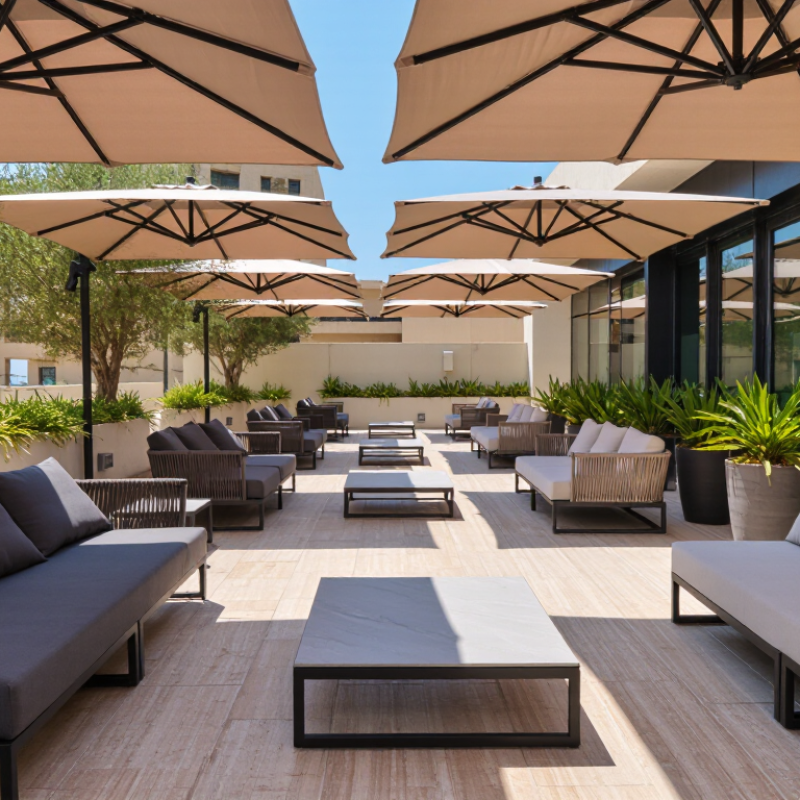
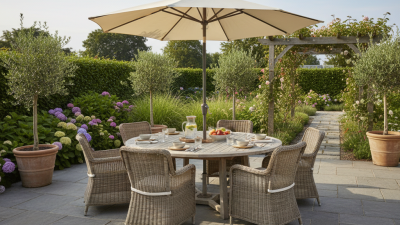
Outdoor lounge furniture includes sofas, armchairs, ottomans, coffee tables, and shaded seating designed for exterior use. It differs from ordinary patio furniture through deeper comfort, coordinated layouts, and materials suited to changing weather. Commercial examples include hotel terraces, restaurant courtyards, office gardens, and waiting areas beside health facilities. Its role is larger than decoration. It shapes how visitors pause, talk, work, and judge the quality of a business.
A well-planned setting can extend dining time and make unused exterior space productive. For example, a low sofa near a fire feature supports relaxed conversation, while upright chairs help quick meetings. Tables should match seat height and leave clear routes for staff, guests, wheelchairs, and emergency access. Layouts should also respect applicable accessibility and fire-safety requirements. In practice, durable aluminum, treated timber, performance fabrics, and quick-draining cushions reduce daily disruption. However, no material is maintenance-free. Salt air, spilled drinks, dust, and direct sunlight expose weak choices quickly.
Experienced facility teams inspect frames, fasteners, drainage, and fabric seams regularly. They also test furniture before opening, because a beautiful chair can become uncomfortable after twenty minutes. A common mistake is buying too many seats and leaving little room for movement. Another is ignoring local wind conditions or cleaning instructions. I would question any layout that looks perfect in a photograph but feels crowded at lunch. Small adjustments matter: shifting a table, adding shade, or replacing one cushion can change behavior.
Why Choose Outdoor Lounge Furniture for Your Business? - Defining Outdoor Lounge Furniture and Its Role in Commercial Spaces
| Dimension | What It Means | Role in a Commercial Space | Practical Considerations |
|---|---|---|---|
| Definition | Outdoor lounge furniture is seating and related furnishings designed for relaxed use in open-air or partly sheltered areas. | Creates places for guests, customers, and staff to sit, talk, wait, or take a break outdoors. | Common pieces include lounge chairs, sofas, benches, ottomans, and low tables. |
| Typical locations | Patios, courtyards, terraces, poolside areas, rooftops, and outdoor waiting areas. | Makes usable seating available beyond indoor rooms and can support different activities across a property. | Check the available footprint, surface conditions, shade, drainage, and routes used by visitors and staff. |
| Guest experience | Comfortable, well-arranged seating provides an alternative to standing or sitting indoors. | Can make outdoor areas more welcoming for conversation, short waits, or relaxation. | Choose seating suited to the expected visit length and provide a mix of seats where space allows. |
| Materials and exposure | Frames and surfaces may use materials such as metal, wood, plastic, or synthetic woven fibers; cushions may use outdoor-rated fabrics. | Material selection affects appearance, maintenance needs, and suitability for local weather and use. | Follow care instructions and consider sun, moisture, temperature changes, and coastal conditions when selecting materials. |
| Durability and upkeep | Commercial furniture is selected for its intended frequency of use and the maintenance a business can provide. | Reliable furnishings help keep outdoor seating areas ready for regular use. | Review construction, cleaning requirements, replacement parts, and any applicable care or warranty terms. |
| Layout and circulation | Furniture placement determines how people sit, gather, and move through an outdoor area. | A thoughtful layout can support conversation while preserving clear paths to entrances and services. | Measure the area before purchasing and maintain accessible routes in line with applicable local requirements. |
| Operational flexibility | Some seating is lightweight or modular and can be rearranged; other pieces are intended to stay in place. | Flexible arrangements can help a space accommodate everyday use and different group sizes. | Balance ease of rearrangement with stability, storage needs, and the security of the location. |
| Overall business value | Furniture helps turn an outdoor footprint into a functional, furnished area. | It can support customer comfort, staff breaks, and the practical use of patios or terraces. | Assess expected use, total cost of ownership, available space, and ongoing care before making a selection. |
Related Posts
-
Top China Oval Table Manufacturers for Global Buyers?
-

Innovative Materials and Smart Features Redefining the Best Outdoor Coffee Table Experience in 2025
-
10 Best Outdoor Table and Chair Sets for 2026
-

The Ultimate Guide to Choosing the Perfect Glass Table for Your Living Space
-
Top 10 Oval Table Designs for Stylish Home Decor and Functional Living Spaces
-
What is a Garden Table and How to Choose the Best One for Your Outdoor Space