Why Choose a Vintage Coffee Table for Your Home?
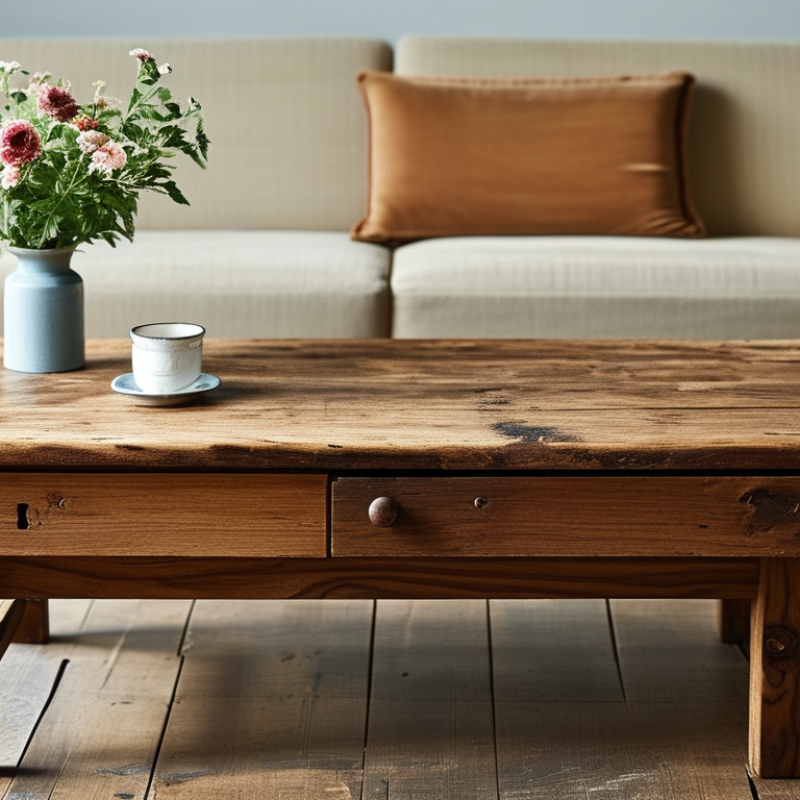
A Vintage Coffee Table can give a living room quiet character without demanding attention. Its worn walnut surface may show faint ring marks, softened corners, or tiny changes in color. These details often reveal years of use and careful craftsmanship. They also make the table feel less manufactured and more connected to daily life.
Interior design authority William Morris offered a useful standard: “Have nothing in your houses that you do not know to be useful, or believe to be beautiful.” A vintage table can meet both ideas. It holds books, cups, and flowers while adding visual history. Look closely at the joinery, veneer, hardware, and underside. A solid frame should not wobble when gently tested. Drawers, if included, should open without forcing them. Measurements matter too. A beautiful table can still overwhelm a narrow room.
Not every old table is a wise purchase. Some have unstable finishes, hidden repairs, or damage caused by moisture. That is part of the reflection. Age alone does not prove quality. Ask about its origin, restoration work, and materials before deciding. Responsible sellers should answer clearly and provide detailed photographs. Reclaimed wood may reduce demand for new resources, but its environmental value depends on transport and restoration methods. Choose slowly. The right Vintage Coffee Table should support real habits, suit your space, and remain useful beyond a passing decorating trend.
What Defines a Vintage Coffee Table?
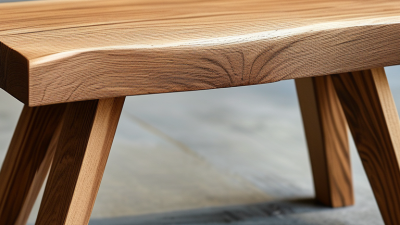
A vintage coffee table is defined by more than an old appearance. Its age, construction, materials, and visible history all matter. Solid wood, hand-cut joints, tapered legs, and naturally softened edges often reveal careful craftsmanship. A warm patina can show years of cleaning, sunlight, and daily use. That character feels different from a newly manufactured table with artificial distressing.
In my experience, the best vintage tables have balanced proportions and small imperfections. A faint ring mark or shallow scratch can make the surface feel honest. Still, age alone does not guarantee quality. I once inspected a beautiful table with loose joints and hidden water damage. It looked impressive, but it was not reliable for daily living. Check the frame, fasteners, underside, and finish before buying. Some repairs are acceptable. Others become expensive.
Tips: Measure your seating area first. Look for stable legs, smooth edges, and a secure tabletop. Test drawers or shelves gently. Ask about previous repairs when possible. A slightly uneven finish may add charm, but sharp edges and structural movement deserve attention. Leave enough space for walking around the table. The right vintage piece should feel distinctive, practical, and safe, not merely decorative.
How Vintage Materials and Craftsmanship Add Character
Why Choose a Vintage Coffee Table for Your Home?
Vintage materials bring evidence of time into a living room. Solid timber may show softened edges, small dents, and uneven grain. These marks are not defects to hide. They reveal how the table was made and used. Hand-cut joinery, turned legs, and visible tool marks can also add depth that factory-perfect surfaces often lack. In my experience, placing a vintage table beside a modern sofa creates useful tension. The room feels collected, not copied. Still, “handcrafted” is not automatically better. Poor repairs, unstable joints, or hidden moisture damage require careful inspection.
The environmental argument deserves precision. The U.S. Environmental Protection Agency reported that furniture and furnishings generated 12.1 million tons of municipal solid waste in 2018, with about 80.2% sent to landfill. Reusing one well-built table cannot solve this problem, but it can delay replacement. The Circularity Gap Reporting Initiative’s 2024 report found that only 7.2% of global material use was circular. That figure makes durability more than a decorating preference. It becomes a practical design choice.
Look underneath the tabletop. Check for loose screws, warped boards, musty smells, and patched cracks. Ask about the wood, finish, and repair history. A restored table may contain newer replacement parts, which should be disclosed honestly. That imperfection matters. Character should come from truthful materials and skilled maintenance, not an invented story. A ring mark may remain. Sometimes, that is the most convincing detail.
Why Vintage Tables Suit Different Interior Styles
A vintage coffee table can connect contrasting interior styles without making a room feel designed in one afternoon. Its aged wood, softened edges, or visible joinery adds visual history. That character suits Scandinavian rooms, where one weathered table can warm pale finishes. It also works with industrial interiors, pairing naturally with metal, brick, and concrete.
In contemporary homes, contrast is the advantage. A carved or patinated table can prevent clean furniture from looking cold. Farmhouse rooms benefit from sturdy timber, while eclectic spaces welcome unusual shapes and mixed materials. The U.S. Environmental Protection Agency reported 12.1 million tons of furniture and furnishings waste in 2018. About 80.2% reached landfills. Choosing a durable second-hand piece may reduce demand for short-lived replacements, although condition and transport still matter.
I have learned that “vintage” is not automatically practical. Check the table’s stability, joinery, surface treatment, and height beside your sofa. A scratch can be beautiful. A loose leg is not.
Tips: Match one detail, not everything. Repeat the table’s wood tone in a frame or floor accent. Leave walking space around it. For small rooms, choose raised legs and a lighter finish. Measure twice. Imperfect styling often feels more believable, but excessive wear can quickly become visual clutter.
How a Vintage Coffee Table Supports Sustainable Living
Why Choose a Vintage Coffee Table for Your Home?
How a Vintage Coffee Table Supports Sustainable Living
A vintage coffee table can support sustainable living through reuse. Instead of demanding newly cut timber, it gives an existing object another purpose. In my experience, older tables often show how carefully materials were selected. Solid wood, visible joints, and hand-finished surfaces can last for decades. That durability matters.
Buying vintage also reduces unnecessary disposal. A rescued table may need only gentle cleaning, new felt pads, or a small repair. Its scratches can record family meals, moving days, and quiet mornings. Those marks are not always flaws. They can make the table feel honest and personal.
Still, caution helps. Not every old table is responsibly made or safe for daily use. Check for loose joints, unstable legs, sharp edges, and peeling finishes. Ask about its previous environment when possible. Avoid pieces with strong chemical odors or extensive damage. Professional restoration may be wiser than a rushed home repair.
A vintage table can also shape better habits. Its limited surface encourages fewer decorations and less impulse buying. I have found that one well-used table often replaces several temporary items. Yet sustainability is not perfection. Transport, refinishing materials, and new hardware still create impacts. Choosing a local piece, repairing it carefully, and keeping it for many years makes the decision more credible.
What to Consider Before Choosing and Caring for One
Why Choose a Vintage Coffee Table for Your Home?
A vintage coffee table can add warmth, history, and texture to a living room. Before choosing one, inspect its structure carefully. Gently rock the table and listen for loose joints or quiet cracking. Look underneath. Old repairs may reveal more than the polished surface. Solid wood usually tolerates careful refinishing, while thin veneer needs gentler treatment. Scratches can be charming, but deep splits may become expensive problems. I used to focus too much on appearance. That was a mistake.
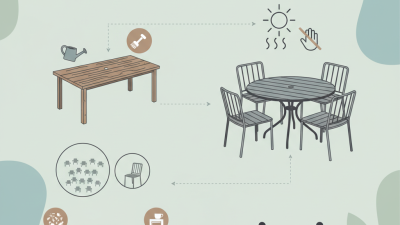
Measure your room, sofa, and walking paths before bringing a table home. A beautiful piece can feel awkward if it blocks knees or catches clothing. Check the table’s height against your seating. A slightly lower surface often feels comfortable for books and cups. Also consider odors, especially from storage areas or old finishes. Ventilate the piece outdoors in shade, never in harsh sunlight. Strong heat can dry wood unevenly and worsen warping.
Care should remain simple. Dust with a soft, dry cloth, then wipe spills immediately. Use coasters, but avoid rubber materials that may trap moisture against the finish. Keep the table away from radiators and damp walls. Stable indoor humidity helps reduce shrinking and swelling. Do not sand an unfamiliar finish too quickly. Some surfaces contain delicate lacquer, wax, or historic details. When the finish flakes, a qualified furniture conservator can assess it safely. I still find small marks difficult to judge; not every flaw needs correction.
Why Choose a Vintage Coffee Table?
Vintage coffee tables add character through aged materials, distinctive craftsmanship, and visible history. Before choosing one, compare its dimensions with your seating area: a table is commonly about two-thirds the length of the sofa, close to the sofa seat height, and positioned with enough clearance for comfortable movement.
These measurements are practical interior-design guidelines for an 84-inch sofa. Inspect the table for structural stability, loose joints, sharp edges, moisture damage, and finishes that may require gentle cleaning or periodic maintenance.