Why Choose Wooden Stools for Global Wholesale Buyers?
Why Choose Wooden Stools for Global Wholesale Buyers?
Wooden Stool demand reflects a broader shift toward durable, adaptable furniture for homes, cafés, hotels, and retail spaces. Fortune Business Insights valued the global furniture market at approximately USD 516.6 billion in 2022. Its report also forecasts continued growth through 2030. This expansion creates opportunities, but buyers still need practical product evidence.
The appeal is practical. A well-made Wooden Stool offers a warm surface, stable seating, and efficient storage. Its compact shape can reduce shipping volume compared with larger chairs. Buyers can also select oak, beech, rubberwood, or engineered timber for different price levels. However, wood quality varies greatly between suppliers. Not every stool qualifies.
The Food and Agriculture Organization’s Global Forest Resources Assessment 2020 reports that forests cover about 31% of the world’s land area. This figure makes responsible sourcing an important purchasing issue. Wholesale buyers should request timber origin records, moisture-control procedures, finish specifications, and relevant chain-of-custody documentation. FSC certification may support responsible sourcing, but it should be verified for the specific product and supplier. Testing also matters. Load capacity, joint strength, surface durability, and packaging performance should be documented before large orders ship. A 45-centimetre stool may look simple, yet uneven legs can create returns, complaints, and hidden costs. I have seen attractive samples fail during repeated commercial use. That is a useful reminder: design alone does not prove reliability. Experienced buyers compare samples, factory controls, lead times, and after-sales support. With measurable standards and honest evaluation, wooden stools can provide dependable value across international wholesale markets.
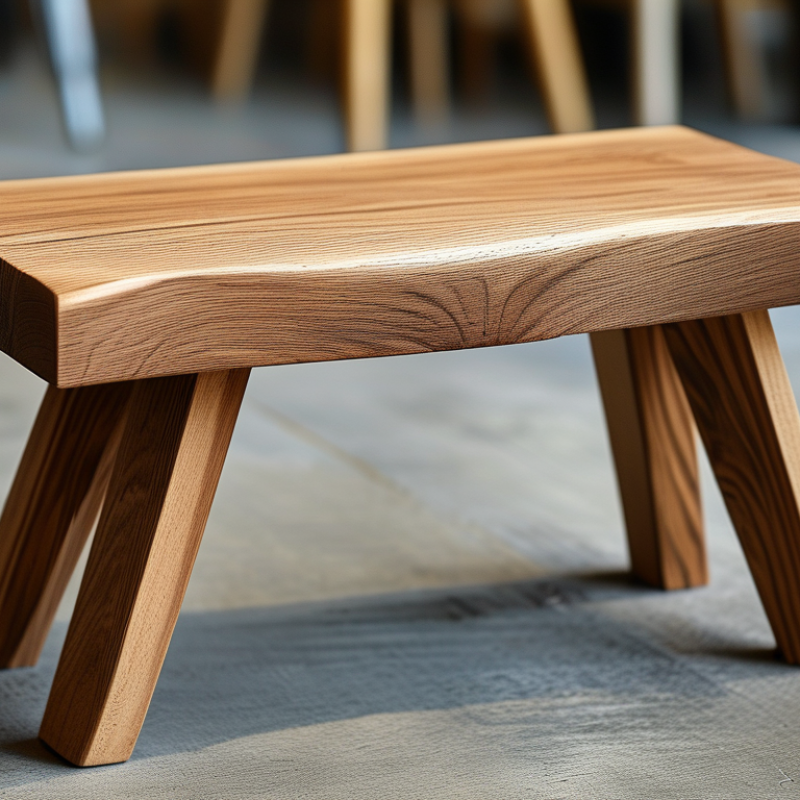
Wooden Stools: Definition, Features, and Common Applications
A wooden stool is a compact seat made mainly from solid wood, laminated wood, or wood-based panels. Unlike a chair, it usually has no backrest or armrests. This simple structure supports easy movement, stacking, and storage. Common materials include beech, rubberwood, pine, and oak. Each offers different hardness, grain, weight, and cost.
During wholesale inspections, I check joint stability, seat thickness, surface smoothness, and finishing consistency. A reliable stool should stand firmly on a level floor without rocking. The feet also need protection against moisture and abrasion. Grain direction matters. It can affect both appearance and resistance to splitting.
Moisture content deserves attention, especially when products cross climate zones. Poor control may cause warping after delivery. Some buyers overlook this risk. Worth reconsidering.
Wooden stools serve many settings. Kitchens use them beside counters and breakfast bars. Cafés often choose them for warm, natural interiors. Retail shops use low stools for fitting areas, displays, or customer seating. Workshops may prefer wider seats with stronger frames. Children’s spaces require suitable dimensions, rounded edges, and dependable load performance.
For outdoor placement, untreated wood can deteriorate quickly under rain and sunlight. A protective finish helps, but it does not remove maintenance needs.
Wholesale buyers should confirm dimensions, packing methods, assembly requirements, and testing records before placing large orders. A minor height difference can become inconvenient across hundreds of units.
Key Benefits of Wooden Stools for Wholesale Buyers
Wooden stools offer wholesale buyers a practical mix of durability, warmth, and design flexibility. Their natural grain helps retail displays feel less industrial. Customers often notice the surface before they check the price. That matters.
For bulk purchasing, consistent dimensions are essential. A 45-centimeter seat height suits many counter and dining applications. Buyers should request measurements, wood species, finish details, and weight limits before placing an order. Kiln-dried timber can reduce moisture movement, but it does not eliminate the risk. A stool can still warp in humid storage. Sample testing remains important.
Wooden stools are also easier to position across different markets. A simple round seat may suit cafés, rental properties, and home retailers. Neutral finishes can support local customization without complicated production changes. Packaging deserves equal attention. Corner protection, carton strength, and stacking limits affect breakage rates and landed costs. I have seen attractive products lose value because cartons were too weak. Small details matter.
Reliable suppliers should provide clear quality procedures, material information, and realistic lead times. Buyers can check joints, wobble, coating coverage, and surface splinters during sample approval. Load testing should match the intended use, not only the advertised specification. Independent inspections can add confidence for larger shipments. Still, inspection cannot replace careful communication. Written tolerances prevent expensive disagreements when production begins.
Wood Types, Designs, and Quality Standards
Wooden stools remain practical for global wholesale buyers because they combine durability, visual warmth, and flexible design. Rubberwood offers stable quality at a competitive price, while beech provides a smooth grain and strong structure. Oak and ash create a premium appearance, although they usually increase shipping weight and cost. Pine is lighter and more affordable, but it may dent more easily.
Design should match the buyer’s market and daily use. A foot ring improves comfort on tall counter stools. Wider legs reduce wobbling on uneven floors. Stackable designs can lower warehouse space and transport expenses. Inspect the joints closely. Mortise-and-tenon connections often provide better long-term stability than basic screws. A smooth, even finish matters, but a flawless surface is not always the best choice; excessive coating can hide weak wood or poor sanding. I have seen attractive stools fail because moisture was ignored.
Tips: Request wood moisture readings before production. Ask for load-testing records, dimensional tolerances, coating details, and sample approval. Confirm the destination’s furniture and chemical safety requirements, because standards differ between markets. Check packaging strength too. A well-made stool can still arrive damaged in a weak carton. Slight color variation is natural wood behavior, not automatically a defect. Clear acceptance criteria prevent costly disagreements.
Wholesale Sourcing, Pricing, and Customization Options
Why Choose Wooden Stools for Global Wholesale Buyers?
Wholesale Sourcing, Pricing, and Customization Options
Wooden stools offer practical value for global wholesale buyers. Their natural grain creates a warm look across cafés, homes, and retail displays. Experienced buyers should check wood species, moisture levels, joint strength, and surface treatment before ordering. These details affect durability, shipping stability, and customer complaints. Sample approval matters. A low unit price can hide uneven legs, weak packaging, or costly replacements. Request a clear quotation with product cost, packaging, tooling, and shipping terms listed separately.
Pricing usually improves with larger quantities, but volume should match realistic demand. A mixed-size order may reduce inventory risk. Buyers can often select seat height, wood finish, leg shape, cushion material, and carton design. Custom engraving or color matching may require extra tooling and longer production time. Confirm tolerances in writing. Small differences may become visible across hundreds of stools. In my experience, customization adds value when it supports a clear retail purpose. Too many options can slow approval and confuse customers.
Tips: Compare at least three samples before placing a bulk order. Test each stool on a flat floor. Ask for recent production photos and a packing specification. Leave time for revisions, because the first sample is rarely perfect. Check whether replacement parts are available. A careful purchasing record protects both budget and quality.
Why Choose Wooden Stools for Global Wholesale Buyers?
Wooden stools are attractive to wholesale buyers because larger order volumes generally reduce the unit price, while customization remains practical through wood species, finish, seat shape, color, packaging, and logo-free private-label options. The figures shown are indicative wholesale planning ranges in USD per unit; final prices vary by material, workmanship, order quantity, shipping terms, and customization requirements.