Skip to content

10 Best Glass Dining Tables for Every Home

A dining table shapes more than mealtimes. It affects how a room feels, how people move through it, and where everyday objects collect. A Glass Dining Table can make a compact dining area feel more open by allowing light to pass through its top. In a bright room, reflections can add sparkle. They can also reveal fingerprints.

Interior designer Nate Berkus has said, “Your home should tell the story of who you are, and be a collection of what you love.” That idea offers a useful lens for choosing a table: appearance matters, but so do daily habits, room size, and comfort. A sleek round table may ease movement in a tight space. A rectangular design can suit a longer room or larger gathering. Measure the dining area carefully. Leave enough space to pull out chairs without scraping a wall.

This guide explores ten options for different homes, styles, and budgets. It considers shape, base design, seating needs, and practical care. Tempered glass and smoothly finished edges are details worth checking in product specifications. So is a sturdy, well-balanced base. Clear glass is not invisible in real life. It needs regular wiping, and glare can be distracting near strong sunlight. A glass top may also feel less forgiving in a busy household. No table suits everyone. The right choice balances visual lightness with the way a home is actually used.
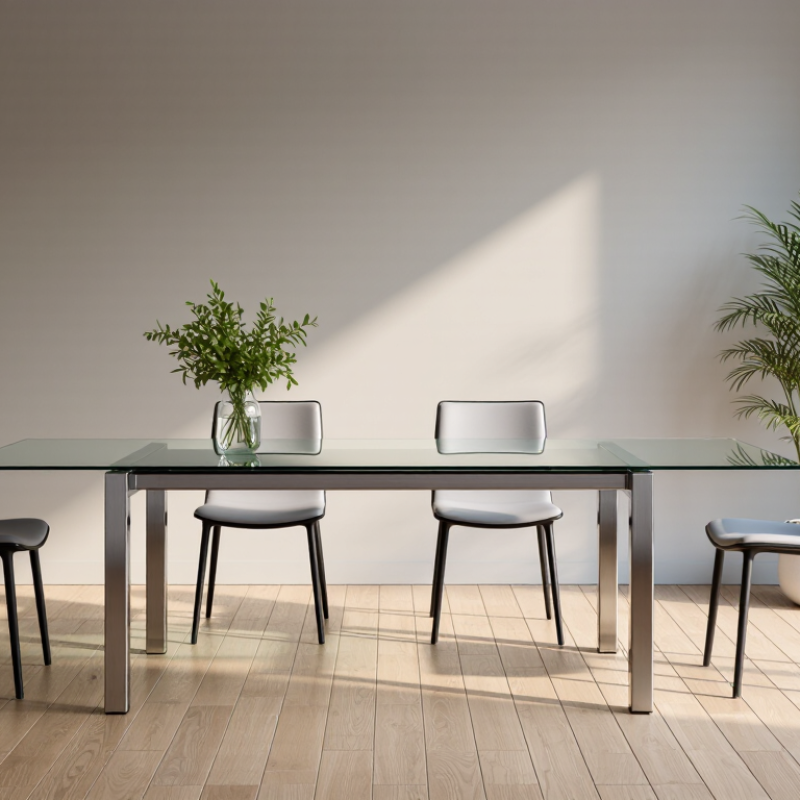
10 Best Glass Dining Tables for Every Home

What Defines a Glass Dining Table and How It Suits Different Homes

A glass dining table pairs a transparent tabletop with a supporting base, often made from wood or metal. The clear surface lets sightlines pass through, so a compact dining nook can feel less crowded. It does not make the room physically larger. That distinction matters. In a small, dim space, a round glass top can soften corners and keep the floor visually open; in a larger room, a rectangular table can define the dining area without blocking views. The U.S. Houzz & Home Study 2024 reported that 54% of surveyed homeowners renovated in 2023. That figure reflects broad investment in adapting homes, not a preference for glass, but it underlines why furniture should suit real room conditions.

For everyday use, check the tabletop specification: tempered glass is designed to break differently from ordinary glass, but it is not unbreakable. Measure the table and allow room to pull chairs back; a transparent top can disguise visual bulk, not poor circulation. Glass also shows fingerprints, crumbs, and reflected light. Not effortless. In a bright room, inspect the table where sunlight falls, since glare can make meals uncomfortable. In homes with young children or frequent gatherings, rounded edges and a stable, well-fitted base deserve extra attention. I would choose glass for openness, then reconsider if daily wiping feels like a chore.

Glass Types, Table Shapes, Bases, and Construction Features

Glass type affects both safety and daily care. Tempered glass is heat-treated and, if broken, usually crumbles into small pieces rather than sharp shards; it is not unbreakable. Laminated glass has a bonded inner layer that can help hold fragments together. Check the maker’s stated thickness, weight limit, and edge finish, too. A polished edge feels smoother against a hand, while a chipped corner needs prompt attention.

Shape changes how a table fits the room. Round tops ease conversation and work well where people walk around the table, though they can use more floor space than expected. Rectangular tables suit narrow rooms and larger gatherings. Oval tops soften the outline without losing much seating length. Measure with chairs pulled out, not tucked in. That small detail is easy to miss.

The base should support the top at its intended contact points. Pedestal bases leave more room for knees, while four-leg designs can feel steadier but may limit chair placement. Look for secure, even connections and feet that sit flat on the floor. Glass shows fingerprints, crumbs, and reflected light readily. It looks airy, but it is not automatically low-maintenance. A little compromise is normal: choose the shape and base for your room, then accept the cleaning routine that comes with a clear surface.

10 Best Glass Dining Tables for Every Home - Glass Types, Table Shapes, Bases, and Construction Features
Table Style Glass Type and Typical Thickness Shape Base Design Construction Features Best For
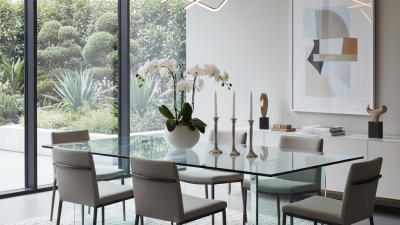
Compact Round Glass Table Tempered clear glass; commonly around 8–10 mm, depending on span and support. Round, typically 90–110 cm across. Single pedestal or compact four-leg frame. Polished edges and a centrally supported top help keep the footprint open; confirm that the top is secured with compatible fittings. Small dining areas and breakfast nooks; rounded edges can make circulation easier.
Rectangular Family Table Tempered clear glass; often around 10–12 mm, subject to table dimensions and support design. Rectangle, commonly about 150–180 × 85–100 cm. Four legs, trestle, or paired end supports. A well-supported top, finished edges, and non-slip setting blocks help reduce movement and direct contact between glass and frame. Everyday dining where a long, straightforward seating layout is useful.
Oval Glass Dining Table Tempered glass; thickness varies with the table’s size and how it is supported. Oval, often approximately 160–200 × 90–105 cm. Two pedestals or a curved trestle base. Rounded ends soften the outline; stable, level support is important along the length of the top. Rooms that need the seating capacity of a longer table with fewer sharp corners.
Square Glass Table Tempered clear or lightly tinted glass; select thickness according to the manufacturer’s tested design. Square, commonly 90–120 cm per side. Four-corner legs or a central pedestal with a broad footprint. Even support at the corners or a properly engineered central mount helps limit rocking; polished corners are a useful finishing detail. Square rooms and smaller households who want balanced seating on all sides.
Extendable Glass-Top Table Tempered glass top; extension sections may use matching glass or a different compatible material. Usually rectangular, with a sliding or leaf-extension format. Four-leg frame or paired supports designed to move with the extension mechanism. The extension system must be designed for the glass top; check how the leaves lock and whether the expanded surface is fully supported. Homes that need a compact daily table and extra space for occasional guests.
Laminated Glass Table Laminated glass, made from glass layers bonded with an interlayer; construction and total thickness vary. Available in rectangular, round, or custom shapes. Frame or pedestal suited to the specified glass panel and its weight. If broken, the interlayer is designed to help hold glass fragments together; this does not make the table unbreakable. Buyers who value fragment retention and want to compare different glass constructions.
Smoked or Tinted Glass Table Tinted or coated glass; confirm whether the specific top is tempered and follow its care instructions. Commonly rectangular, round, or oval. Dark-finished metal, wood, or a matching tinted-glass support structure. Tint changes the appearance and light transmission, not the need for sound support, finished edges, and suitable fixings. Interiors that call for a darker surface or a more visually defined centerpiece.
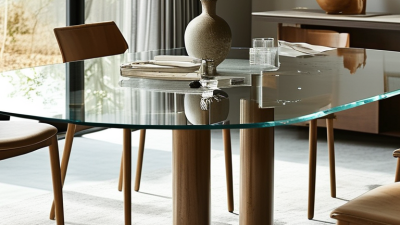
Glass Table with a Wood Base Typically tempered clear glass; use the specified panel thickness for the base design. Rectangular, round, or oval, depending on the frame. Solid-wood or engineered-wood legs, trestles, or a pedestal. Protective pads or fittings separate the glass from hard surfaces; a level, rigid base helps prevent rocking and uneven contact. Rooms that benefit from the contrast of a transparent top and a warmer-looking base.
Glass Table with a Metal Frame Usually tempered glass; thickness depends on panel size and the frame’s support points. Often rectangular or round. Steel or aluminum legs, a perimeter frame, or a pedestal. Look for a rigid frame, smooth contact points, and correctly fitted pads; metal should not press directly against unsupported glass edges. Contemporary spaces and shoppers who prefer a slim, open-looking base.
Sculptural Pedestal Glass Table Tempered glass, often round or oval; the required thickness depends on the top’s span and pedestal engineering. Round or oval, with a wide top relative to the base. Central pedestal with a broad, stable foot or carefully engineered weighted base. The pedestal must resist tipping and securely distribute the load; verify that the top is attached using fittings intended for that glass design. Dining spaces where a distinctive base and unobstructed legroom are priorities.

Note: Dimensions and glass thicknesses shown are typical examples, not universal standards. Follow the table maker’s specifications for seating capacity, care, assembly, and safe use. Tempered glass is stronger than comparable annealed glass, but it can still break; avoid impacts to edges and corners.

How to Choose a Table for Your Space, Lifestyle, and Budget

Choosing a glass dining table starts with the room, not the showroom. Measure the tabletop and leave roughly 36 inches around it where people need to pull out chairs or walk past. In a narrow dining area, a round or oval shape can soften tight corners; a rectangular table often suits a longer room. Check the space with chair backs pulled out. It is easy to underestimate that.

Think about daily use. Clear glass lets light pass through and can make a small room feel less crowded, but fingerprints and crumbs show quickly. If you have young children or host busy dinners, compare tempered glass, smooth rounded edges, and the table’s stated weight capacity. Tempered glass is designed to break differently from ordinary glass, but it is not unbreakable. Look closely at the base, too: a sturdy, well-balanced frame matters as much as the top.

Set a budget that includes delivery, assembly, and suitable chairs. A lower-priced table may work well, though a lightweight base can wobble on uneven floors. Measure chair height against the tabletop before buying. For a household that uses the table every day, easy cleaning and repairable parts may be worth more than a dramatic silhouette. And be honest about your habits. A glossy surface looks lovely; it may also become your daily fingerprint record.

Ten Glass Dining Table Styles for Different Homes

Glass dining tables can make a room feel lighter, but the right shape depends on how people move through it. A round pedestal table suits a breakfast nook, while a rectangular trestle works in a long dining room. Oval tops soften narrow spaces. Square tables fit compact, balanced layouts. Extendable designs help when guests arrive. A glass-top drop-leaf can serve a small apartment. Smoked glass adds warmth; frosted glass softens glare. Beveled edges feel more traditional, while sculptural bases create a focal point. Metal bases look crisp, and wood bases bring a gentler contrast. Ten distinct styles, with different trade-offs.

Scale matters as much as appearance. The 2024 U.S. Houzz & Home Study reported a median renovation spend of $24,000 in 2023. That wider investment context is a reminder to choose a table for everyday use, not just photographs. One detail is easy to miss: clear glass shows fingerprints and crumbs, especially beneath bright pendant lights. It can also feel visually cold beside pale floors.

Tips: Measure chair pull-out space before buying. Leave roughly 36 inches around the table where possible, and check that the glass is tempered. Measure twice. A beautiful base can still crowd knees.

Safety, Cleaning, and Long-Term Care for Glass Dining Tables

Glass dining tables need steady, deliberate care. Check the product instructions to confirm whether the top is tempered glass and which cleaners are suitable. Before each meal, look for chips, cracks, or sharp damage, especially along the edges. Stop using a damaged table and seek qualified repair advice; a cloth cannot make a crack safe. Keep children from climbing or leaning heavily on the surface, and use corner guards if the edges sit near their head height. No standing on the table. It seems obvious, but busy households can forget.

For routine cleaning, use a soft microfiber cloth with warm water and a little mild dish soap. Wipe gently, then dry the surface to prevent streaks and water marks. Avoid scouring pads and gritty powders, which may scratch the glass. Spray cleaner onto the cloth rather than directly onto the tabletop; liquid can run into joints or damage some frame finishes. Check cleaner guidance before using ammonia-based products. A spotless surface can still hide a loose fitting.

Use coasters under cold glasses and placemats beneath dishes to limit scratches and sudden temperature changes. Lift objects instead of sliding them, particularly ceramic serving bowls with rough bases. Every few weeks, check that the frame is stable and tighten fittings only as the instructions allow. Keep the table away from repeated knocks and, where practical, strong direct sunlight. Care is not complicated, though it is easy to miss a small problem until it grows.

Glass Dining Table Care: Suggested Check Intervals

These intervals are a practical household routine, not a universal safety standard. Clean spills promptly, and stop using the table if the glass is chipped or cracked. Follow the care instructions supplied with your table.