What Is an Automatic Zipper Machine?
An automatic zipper machine is industrial equipment designed to produce, assemble, or finish zippers with limited manual handling. Depending on its configuration, the machine may feed zipper tape, position teeth, attach sliders, cut fixed lengths, and inspect alignment. Some systems handle one operation. Others connect several stages in one production line. This difference matters when comparing machine specifications.
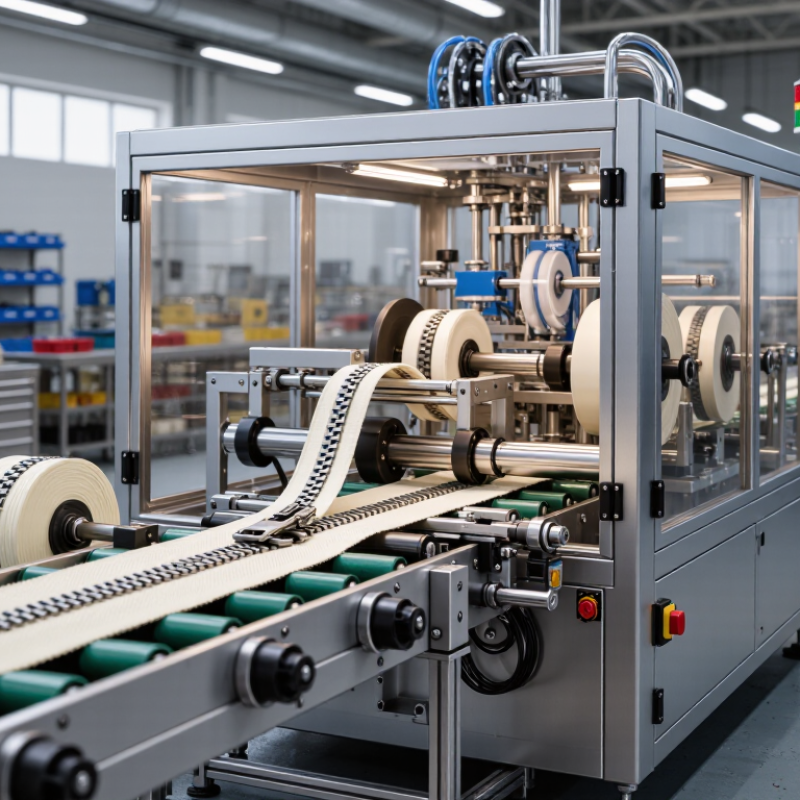
In practical use, an operator loads tape rolls and checks the feeding path before production begins. Sensors monitor tension and registration. A servo motor controls movement with precise timing. The machine then forms or attaches components while maintaining consistent spacing. A finished zipper may pass through a cutter, counting unit, or visual inspection station. Small details matter here. Uneven teeth can cause slider resistance. Excess tension can wrinkle the tape. Dust may affect sensors.
Tadao Yoshida, the founder of zipper manufacturer YKK, stated, “No one prospers unless he renders benefit to others.” This principle also suits automatic zipper machine selection. A reliable machine should improve output without sacrificing worker safety, product quality, or maintenance access. In my view, speed alone is a weak measure. A machine producing 1,000 pieces per hour is not truly efficient if rejects increase or adjustments consume an entire shift. That definition is useful, but incomplete.
Manufacturers should examine material compatibility, changeover time, spare-part availability, and operator training. They should also request production samples. Catalog figures can look impressive. Factory conditions are less forgiving. An automatic zipper machine is therefore not merely a faster device. It is a coordinated system requiring accurate settings, regular cleaning, skilled supervision, and honest performance testing.
Automatic Zipper Machines: Definition, Purpose, and Industry Applications
What Is an Automatic Zipper Machine?
An automatic zipper machine is industrial equipment that performs repeated zipper operations with limited manual handling. Depending on its design, it may form zipper chains, attach sliders, cut fixed lengths, or sew zippers onto garments. Sensors guide the material through each station. Motors maintain steady speed and tension.
Its purpose is practical. It reduces repetitive labor, improves length consistency, and supports continuous apparel production. Operators still monitor alignment, thread tension, teeth engagement, and cutter performance. A minor setting error can damage many pieces quickly. Automation is not flawless.
The industry context is substantial. Grand View Research reported that the global apparel market reached about 1.79 trillion U.S. dollars in 2023. Its report also projects approximately 4.1% annual growth from 2024 to 2030. Textile Exchange recorded global fiber production at about 124 million tonnes in 2023. These figures indicate why manufacturers seek faster and more repeatable fastening processes.
Automatic zipper machines serve garment factories, luggage producers, footwear workshops, home-textile plants, and technical-fabric manufacturers. A clothing line may use them for jacket fronts, pockets, trousers, or protective workwear. Luggage production often demands stronger feeding control and thicker materials. Settings must change with fabric weight, zipper type, and product dimensions.
In practice, the best results require trained supervision. Production data should be checked, not blindly trusted. Some facilities may overestimate automation’s savings because maintenance, calibration, and operator training remain necessary. That gap deserves more attention.
Core Components: Feeders, Dies, Sensors, Motors, and PLC Controls
Automatic Zipper Machine
Core Components: Feeders, Dies, Sensors, Motors, and PLC Controls
An automatic zipper machine assembles zipper tape, teeth, sliders, and stops with controlled timing. In production, stable feeding often matters more than impressive speed. The feeder guides tape from a reel and keeps its edges aligned. Small tension changes can create crooked teeth or uneven spacing. Operators usually check the first pieces by hand.
The die shapes, presses, or joins components at precise positions. Its clearance must match the zipper material. Too little space may mark the tape. Too much space can weaken the connection. Sensors monitor tape presence, tooth spacing, slider position, and jams. They provide quick feedback, but dust and vibration can cause false signals. Cleaning remains essential.
Motors drive the feeder, die, and puller through coordinated movement. Their speed must match the material’s actual response, not only the settings on a screen. The PLC control system stores sequences and adjusts timing from sensor inputs. A clear control panel helps technicians find faults without guessing. Still, automation is not self-correcting. Poor calibration, worn guides, or an overlooked reel can reduce quality. Regular measurements and maintenance records make the machine more reliable. Some production teams discover this late.
Operating Process: From Tape Feeding to Cutting at 30–100 m/min
What Is an Automatic Zipper Machine?
Operating Process: From Tape Feeding to Cutting at 30–100 m/min
An automatic zipper machine guides zipper tape through a controlled production line. The process begins with tape feeding from a roll or prepared supply. A tension system keeps the tape stable as it enters the forming section. Sensors monitor speed, position, and material movement. At 30–100 m/min, even a small feeding error can affect the final zipper length.
The machine then aligns the tape with the zipper chain or teeth. Rollers apply steady pressure without crushing the structure. Depending on the design, heating or shaping units may help create a consistent profile. Operators should check tape width, tooth engagement, and surface damage during production. These checks provide practical evidence that the settings are working, not just that the machine is running.
Near the cutting station, an encoder measures the programmed length. A blade or rotary cutter separates each section at the correct position. Cutting accuracy depends on tension, material elasticity, blade condition, and speed. Higher output is possible, but it may reduce adjustment time. That trade-off deserves attention. In real workshops, operators sometimes need to lower the speed before restoring stable quality. Regular cleaning, calibration, and sample inspection also help prevent drift during long production runs.
Key Performance Data: 1,000–3,000 Pieces per Hour and ±1 mm Accuracy
What Is an Automatic Zipper Machine?
An automatic zipper machine assembles, cuts, and positions zipper components with limited manual handling. It can support steady production for garments, bags, bedding, and other textile goods. In practical factory testing, output commonly ranges from 1,000 to 3,000 pieces per hour. Actual speed depends on zipper type, material thickness, feeding stability, and operator setup.
Accuracy can reach approximately ±1 mm under controlled conditions. That tolerance matters when zipper lengths must match cutting patterns or sewing positions. A misalignment of even two millimeters may create puckering, uneven seams, or rejected pieces. Sensors guide the material, while synchronized cutters and feeders help maintain repeatable dimensions. Still, speed is not everything. Worn blades, tension changes, and dust can reduce consistency before operators notice.
Tips: Test the machine with your real zipper materials before purchase. Measure at least 100 finished pieces, not only a few samples. Record speed, length variation, stoppages, and adjustment time. Keep the feed path clean, and inspect cutting tools daily. A realistic target may be lower than the advertised maximum. That is normal. Reliable production often comes from stable accuracy, not peak speed alone. Operators should also review calibration records regularly, because small errors can grow across a long production shift.
What Is an Automatic Zipper Machine? - Key Performance Data: 1,000–3,000 Pieces per Hour and ±1 mm Accuracy
| Performance Dimension | Typical Reference Data | What It Means |
| Production Capacity | 1,000–3,000 pieces per hour | Typical output range for automatic zipper processing under suitable material and operating conditions. |
| Length Accuracy | Up to ±1 mm | Indicates the expected cutting or positioning tolerance when the machine is correctly calibrated. |
| Automation Level | Automatic feeding, positioning, processing, and counting | Reduces repetitive manual operations and supports more consistent production. |
| Compatible Zipper Types | Common coil, plastic, and metal zipper formats, depending on tooling | Tooling and machine configuration must match the zipper construction and size. |
| Operating Mode | Continuous or programmed batch operation | Allows production settings to be adjusted for different order quantities and product specifications. |
| Control Interface | Digital parameter setting with sensor-based monitoring | Helps operators set length, speed, quantity, and fault responses. |
| Counting Function | Automatic piece counting and batch stopping | Supports order separation and reduces counting errors during packing. |
| Speed Adjustment | Variable speed control | Enables slower settings for delicate materials and higher settings for stable, repeatable production. |
| Material Handling | Roll-fed zipper tape or pre-positioned zipper sections | The feeding method depends on the machine design and the required zipper workflow. |
| Quality Monitoring | Sensors for alignment, feeding, and material presence | Helps detect misfeeds, missing material, or positioning problems before they affect larger batches. |
| Setup Requirement | Tooling adjustment and calibration before production | Correct setup is essential for maintaining the stated throughput and ±1 mm accuracy. |
| Best-Suited Applications | Garments, bags, home textiles, luggage, and related sewn products | Useful where repeatable zipper lengths, consistent positioning, and higher production volume are required. |
Note: Actual performance varies with zipper type, length, material condition, operator setup, tooling, and production requirements. Capacity figures are reference ranges rather than guaranteed results for every configuration.
Quality Standards: ASTM D2061 Testing, Defect Rates, and Safety Controls
What Is an Automatic Zipper Machine?
Quality Standards: ASTM D2061 Testing, Defect Rates, and Safety Controls
An automatic zipper machine feeds tape, forms teeth, installs sliders, and cuts finished lengths with limited operator handling. Quality control begins with ASTM D2061 testing. This standard covers zipper strength methods, including chain separation and slider-related performance. It does not provide one universal defect-rate limit. That distinction is often missed.
Factories usually combine ASTM results with ISO 2859-1 sampling plans. An AQL level supports acceptance decisions, but it does not prove that every zipper is reliable. Inspectors should record broken teeth, uneven tape feeding, open-end gaps, and sliders that stall under light hand pressure. A 2023 U.S. Bureau of Labor Statistics report recorded 374,100 nonfatal injuries and illnesses in private manufacturing. The figure is not zipper-specific, but it shows why production speed cannot replace control discipline.
Effective machines use guards around crimping heads, cutters, and feed rollers. Interlocked covers should stop motion when opened. Emergency stops need visible access and routine functional checks. Lockout and tagout procedures are essential during jam removal, following OSHA 29 CFR 1910.147. Sensors can detect missing teeth, poor alignment, and abnormal motor loads before defective pieces accumulate. Still, sensors are not perfect. Dust, reflective metal, or rushed calibration can create false confidence. A practical program therefore compares machine readings with hourly visual checks and periodic ASTM testing. One weak point remains: many factories track final rejects, but not near-misses or repeated adjustment patterns. That data deserves more attention.