
Skip to content

What Are the Top Types of Training Pads?

Choosing Training Pads is less about finding one “best” product and more about matching a pad to a dog, household, and daily routine. The American Pet Products Association’s 2023–2024 National Pet Owners Survey estimated that 65.1 million U.S. households owned a dog. That scale helps explain the demand for practical indoor-training options, but it does not prove that any pad type works for every dog. A useful distinction.

Common choices include disposable absorbent pads, washable fabric pads, grass-style systems, and pads with odor-control or attractant features. Each has trade-offs. Disposable pads are convenient, but require regular replacement. Reusable pads can reduce ongoing waste, though they need careful washing and drying. Grass-style trays may offer a different surface underfoot, but need frequent cleaning. And odor control is not the same as odor removal.

This guide compares these types by absorbency, leak resistance, cleanup, cost over time, and fit for real spaces—from a crate corner to a tiled laundry room. It also considers puppy training, senior dogs, and travel, without treating pads as a substitute for consistent routines. Small details matter. Pad size and placement can affect cleanup, yet owner habits matter too. There is no perfect option, and product claims deserve a close look. The APPA survey provides useful ownership context; it does not test pad performance. That distinction is worth keeping in mind as you compare products.
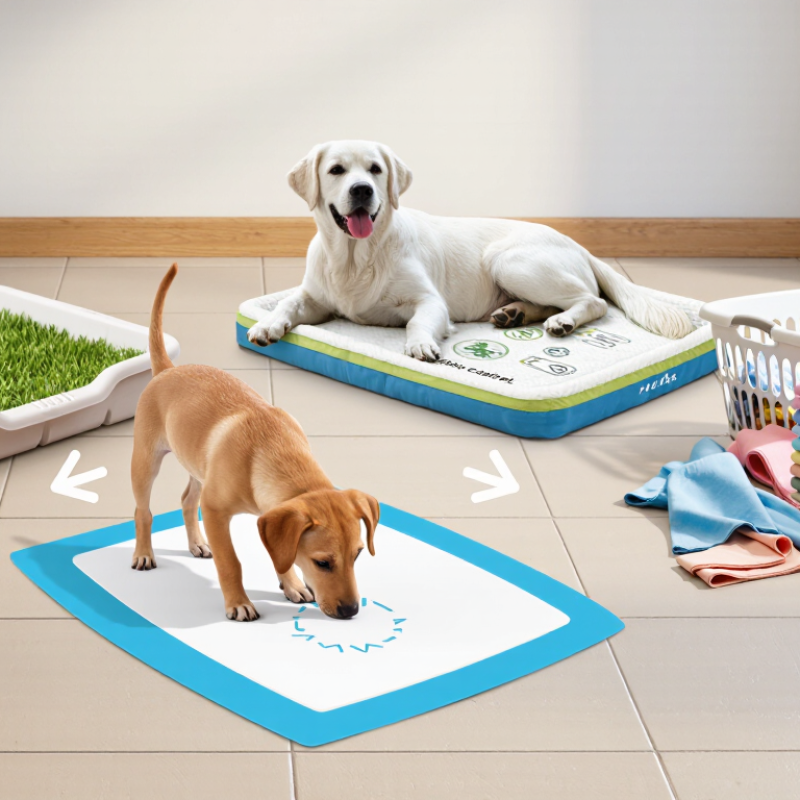
What Are the Top Types of Training Pads?

What Training Pads Are and How They Are Used

Training pads are designated indoor toilet surfaces for dogs, usually made with an absorbent layer and a leak-resistant backing. Disposable pads are convenient for quick cleanup; washable fabric pads can be reused, while grass-style pads offer a different texture. They are often used during early house-training, in apartments, or when a dog cannot reach an outdoor toilet easily. Placement matters.

Choose one quiet, accessible spot and keep the pad there. After waking, meals, and play, guide the dog to it and reward use promptly. Keep it steady. A pad moved between rooms can blur the signal, and a dog may mistake a nearby rug for the same surface. This approach is not foolproof; watch the dog’s routine and adjust the timing rather than expecting the pad to teach everything.

The American Pet Products Association’s 2023–2024 National Pet Owners Survey estimates that 66% of U.S. households own a pet, showing how common pet-care routines are in homes. That figure is not a measure of pad use, but it helps explain their everyday role. Replace disposable pads when wet or soiled, and wash reusable ones with care instructions in mind. Clean the surrounding floor too; a faint odor can invite repeat accidents.

Top Types of Training Pads and How They’re Used

How to read the chart: A value of 1 marks the format that typically defines each type; 0 means it is not that type’s defining feature. Disposable pads are used for one-time absorption, while washable fabric pads can be laundered and reused. Grass-style pads provide a grass-like toileting surface, and tray systems use a holder to contain a pad or insert. Exact designs vary.

Disposable Training Pads: Design, Uses, and Benefits

Disposable training pads use a simple layered design. A soft, nonwoven top sheet lets liquid pass through, while an absorbent core holds moisture. The waterproof backing helps protect floors, crates, or bedding. Some pads have sealed edges or adhesive tabs to reduce shifting, though placement still matters.

People often use them during puppy house-training, after a procedure, or while traveling with a pet. A pad near the door can help establish a consistent indoor spot, while one beneath a water bowl can catch small spills. Choose a size that extends beyond the likely mess area. Too small, and the surrounding floor may still get wet. Replace used pads promptly, and wash your hands after handling them.

Convenience is the main benefit. Pads are lightweight, easy to store, and useful when outdoor access is limited. They can also speed cleanup on hard surfaces. But they do not replace regular outdoor practice, and some animals may chew or move them. That takes patience. One practical snag: a spot that seems obvious to a person may not be clear to a puppy. Watch where the animal actually goes, then adjust the pad instead of assuming the first setup will work.

Reusable Training Pads: Materials, Care, and Practical Uses

What Are the Top Types of Training Pads?
Reusable Training Pads: Materials, Care, and Practical Uses

Reusable training pads usually combine a soft top layer, an absorbent middle, and a leak-resistant backing. The top may use polyester fleece or cotton; the core often contains microfiber or another absorbent fabric. Some pads use a thin waterproof layer, such as polyurethane laminate, to help protect floors. Check the product’s material and care label, since construction varies. Feel the surface, too. A slick or noisy pad may bother some pets.

For washing, remove loose debris and follow the care instructions. Use a regular detergent, and skip fabric softener if the label advises against it; residue can affect absorbency. Dry the pad completely before putting it back down. Damp fabric can develop an unpleasant smell. Reusable pads can line a crate, sit beneath food and water bowls, or protect a car seat during trips. They may also help manage small accidents for older pets. They are not a substitute for regular outdoor breaks or consistent training. Placement can take trial and error. A pad that shifts across a smooth floor is frustrating, so a nonslip backing or washable holder may help.

What Are the Top Types of Training Pads? - Reusable Training Pads: Materials, Care, and Practical Uses

Pad type Common materials and construction Practical uses Care considerations Things to consider
Quilted microfiber A soft polyester or microfiber top layer, absorbent inner layers, and typically a water-resistant backing. Everyday puppy house-training, crate liners, and use near doors or other designated indoor potty spots. Shake off loose debris and machine-wash according to the care label. Dry fully before reuse; high heat may affect some backing materials. Quilting can help keep layers in place. Absorbency and drying time vary with pad thickness and construction.
Cotton or cotton-blend A woven or terry-style cotton-rich surface over absorbent layers; many designs include a waterproof or water-resistant base. Home training, placing on washable floors, or layering over a crate tray or pet bed. Wash with a suitable detergent and dry completely. Follow the label, since cotton-rich fabrics may shrink or take longer to dry. A familiar fabric feel can suit some pets, but the top surface may remain damp until the pad is changed or washed.
Bamboo-viscose blend A bamboo-derived viscose or rayon fabric, often blended with polyester, plus absorbent inner layers and a protective backing. Reusable indoor training and as a washable surface for pets that need a soft resting or potty area. Use the care instructions for the specific blend. Avoid fabric softener if the manufacturer advises against it, as residue can affect absorbency. “Bamboo” describes the source of the cellulose; the finished fabric is commonly processed viscose or rayon, not untreated bamboo fiber.
Multi-layer, high-absorbency pad Several absorbent textile layers, often including microfiber, cotton, or a blend, with a water-resistant bottom layer. Longer intervals between changes, larger dogs, or spots where extra liquid containment is useful. Wash promptly after soiling and check that the center is dry before putting the pad back into service. Thick pads may need additional drying time. A thicker build can hold more liquid, but performance depends on the pad’s size, materials, and construction.
Waterproof-backed pad An absorbent fabric top and core paired with a water-resistant backing, often made from a coated textile or polyurethane laminate (PUL). Protecting floors, furniture, vehicle seats, or the surface beneath a crate or pet bed. Use the stated wash and drying settings. Avoid excessive heat or harsh cleaning methods if the care label warns they may damage the backing. A protective backing helps limit seep-through but does not replace prompt cleaning of the pad and the surrounding area.
Non-slip or grippy-bottom pad Absorbent fabric layers with a textured, grippy, or otherwise slip-resistant underside. Use on smooth indoor flooring or in areas where a loose pad may shift during training. Follow the manufacturer’s washing instructions to preserve the underside. Keep the floor beneath the pad clean and dry. Grip can vary by flooring type and condition; it may be less effective on dusty, wet, or uneven surfaces.

Care note: Always follow the pad’s label. Wash soiled pads promptly, use an appropriate detergent, and let them dry completely before reuse.

Grass Training Pads: Natural and Synthetic Options

Grass training pads can give dogs a familiar place to relieve themselves, especially in apartments or during bad weather. Natural grass feels and smells like an outdoor lawn, which may help some dogs understand where to go. It needs regular replacement, though, and moisture can collect beneath the tray if drainage is poor. Check for soggy patches and lingering odors rather than relying on appearance alone.

Synthetic grass is reusable and easier to keep in place. Look for a surface with drainage holes and a washable collection tray. Rinse it often, then let it dry fully to reduce odor and residue. Synthetic fibers may become warm in direct sunlight, and some dogs dislike their texture. Neither option is maintenance-free. Cleaning routines can take more effort than expected, so consider the time and space available before choosing.

Tips: Place the pad in a quiet, consistent spot, away from food and water. Reward your dog promptly after use. If your dog avoids the surface, try a different texture or location; the first setup may simply not suit them. A brief cleaning log can reveal when odors or accidents tend to occur.

How to Choose a Training Pad Type for Your Needs

Choosing a training pad starts with the surface and routine around it. The American Pet Products Association’s 2025–2026 National Pet Owners Survey estimates that 94 million U.S. households have pets. It does not rank pad types, so choose for your own space and needs. Disposable pads suit travel or quick cleanup, while washable cloth pads can work well with regular laundry. Check the pad’s dimensions and stated absorbency, then test it on a hard floor before leaving it unattended. A curled edge or damp underside can turn a tidy corner into a slippery mess.

Grass-style pads may help pets who prefer an outdoor-like surface, but they need frequent cleaning and a plan for disposal. Odor-control or charcoal-layer pads can help in small rooms; they do not replace prompt changes. Small detail, big difference. For a puppy, place the pad near the door or usual resting area, then move it gradually if needed. For older pets, prioritize a nonslip backing and easy access. I would not assume the most absorbent option is automatically best: a large pad may crowd a narrow hallway, and washable pads only save effort if laundry is practical. Keep a simple note of leaks, odor, and how often you change it for several days; your pet’s habits are useful evidence.