Top Private Label Bedding Trends in 2026 What Buyers Should Know
The demand for Private Label Bedding continues to rise, reflecting significant trends in the bedding industry. According to a recent report from Grand View Research, the global bedding market is projected to reach over $200 billion by 2028. Private label products are driving a considerable share of this growth. These brands offer affordability and customization, attracting more consumers who seek quality without the premium price tag.
Buyers should note the increasing emphasis on sustainable materials. A survey by Statista revealed that over 70% of consumers now prefer eco-friendly bedding options. This shift is compelling private label brands to innovate and incorporate sustainable practices. Furthermore, personalization is becoming essential. Many customers desire bedding tailored to their styles and needs, enabling private labels to enhance their market presence.
Navigating the private label bedding landscape requires careful consideration of these trends. While the growth presents opportunities, brands must continuously adapt. Failing to address evolving consumer preferences can result in missed opportunities. Understanding the dynamics of this market will be crucial for those looking to succeed in the ever-changing bedding sector.
Top Private Label Bedding Trends in 2026
The private label bedding market is poised for significant growth in 2026, driven by evolving consumer preferences and sustainability goals. According to recent market research, the global bedding market is expected to reach USD 78 billion by 2026. A notable shift is expected towards organic and eco-friendly materials. Consumers are increasingly conscious of their environmental impact, seeking bedding made from sustainable sources.
Another key trend is the rise of customization in bedding products. Shoppers now desire personalized options that match their unique styles and preferences. Reports indicate that nearly 60% of consumers are willing to pay more for customized bedding. This trend presents challenges for manufacturers as they must balance personalization with efficient production processes. Additionally, the trend of smart bedding solutions is emerging. Integrating technology into bedding, such as temperature regulation and sleep tracking, is gaining traction. While the technology enhances comfort, questions about data privacy and product reliability remain.
Retailers should be mindful of these trends when curating their private label offerings. As the market continues to evolve, staying updated on consumer preferences and technological advancements is essential. Addressing sustainability, personalization, and innovation will likely define success in this competitive landscape. Embracing these changes may require significant investment and adaptation, but the potential rewards are considerable.
Sustainability: Eco-Friendly Materials Shaping Bedding Choices in 2026
As sustainability gains traction, eco-friendly materials are redefining bedding choices in 2026. Recent data from the Global Textile Sustainability Report highlights that 40% of consumers prioritize sustainability in their purchases. This shift emphasizes organic and recycled materials, which reduce environmental impact. Cotton grown without pesticides and recycled polyester made from PET bottles are gaining popularity. These options are not just eco-friendly; they also meet consumer demands for quality and comfort.
Manufacturers are exploring innovative materials such as Tencel and bamboo-based fabrics. These materials not only promote breathability but also offer hypoallergenic properties. According to the Eco-Textile Lab's findings, bedding made from Tencel has seen a 25% rise in consumer preference due to its sustainability credentials. However, the market still faces challenges. Some eco-friendly materials can be more expensive to source. This often leads to higher retail prices, which may deter budget-conscious buyers. As awareness grows, the industry must balance eco-innovation with accessibility, providing options that cater to varied consumer needs.
Top Private Label Bedding Trends in 2026
| Trend | Description | Material Examples | Market Impact |
| Recycled Materials | Use of textiles made from post-consumer waste. | Recycled polyester, upcycled cotton | Increased demand for eco-conscious products. |
| Organic Cotton | Bedding made from cotton grown without synthetic pesticides or fertilizers. | GOTS certified organic cotton | Appealing to health-conscious consumers. |
| Bamboo Fabrics | Soft and breathable fabrics sourced from bamboo. | Bamboo lyocell, organic bamboo | Growing awareness of eco-friendly options. |
| Biodegradable Materials | Bedding that breaks down naturally, reducing landfill waste. | Tencel, biodegradable polyester | Encouraging responsible consumption patterns. |
| Water-Based Dyes | Dyes that are less toxic and more environmentally friendly. | Natural color extracts, low-impact dyes | Minimizing negative environmental impact. |
Smart Bedding Innovations: Integrating Technology for Enhanced Sleep
Sleep technology is rapidly evolving. Smart bedding innovations are at the forefront of this change. They promise not just comfort but enhanced sleep quality. Imagine a mattress that adjusts to your body temperature throughout the night. This feature helps regulate your rest and ensures you stay at an optimal temperature.
In 2026, the market will likely see even more technology integration. Smart pillows with built-in sleep-tracking features are already emerging. These devices can analyze your sleep patterns. They can suggest changes to your environment for better rest. However, some users report that the technology can be cumbersome. They struggle with setups and connectivity issues. This illustrates that while innovation is exciting, it can enhance or disrupt sleep.
Moreover, personal preferences play a big role in effectiveness. Not every smart feature suits every person. For some, a simple bedding setup works best. Others might find value in tracking their sleep data. As technology continues to advance, buyers should consider both the benefits and potential drawbacks. Finding the right balance is key to achieving better sleep.
Design Aesthetics: Popular Patterns and Color Palettes for 2026 Bedding
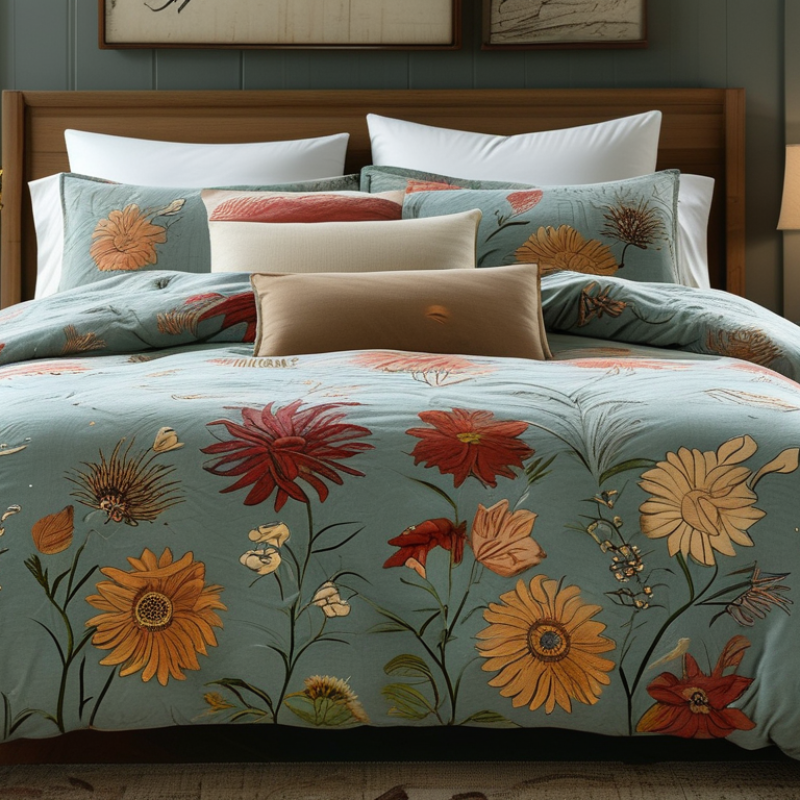
As we look ahead to 2026, bedding design aesthetics are evolving. Popular patterns are mixing nostalgia with modern trends. Botanical prints, for instance, are making a strong comeback. They're vibrant and full of life, perfect for creating a cozy atmosphere. Additionally, abstract shapes and geometric designs are gaining traction, appealing to younger consumers.
Color palettes are shifting too. Earthy tones like terracotta and olive green dominate the scene. These hues provide warmth and serenity, a perfect escape from the chaos outside. Soft pastels are also popular. They evoke calmness and tranquility, especially in bedrooms. However, some buyers may struggle with coordinating diverse colors and patterns. It's essential to find a balance that feels harmonious.
Texture plays a crucial role as well. Layering different materials can create depth. This adds visual interest while enhancing comfort. Yet, it can feel overwhelming for those new to bedding design. It's okay to experiment and make adjustments as needed. Finding the right combination takes time and patience.
Consumer Preferences: Key Factors Driving Private Label Bedding Purchases
In 2026, the private label bedding market is experiencing significant shifts. Consumer preferences are at the forefront of this transformation. Shoppers look for both quality and value. Soft, hypoallergenic materials are in demand. Bed linens that boast sustainability are also gaining popularity. These factors resonate deeply with buyers, reflecting their broader values.
Pricing plays a crucial role in purchase decisions. Consumers are increasingly comparing private label offerings to premium brands. They seek the best price without sacrificing quality. Also, the variety of styles and designs influences choices. Many customers want bedding that matches home decor trends. Customization options could enhance buyer satisfaction, yet availability remains inconsistent.
While consumers are eager for new options, they are also cautious. Some worry about the durability of private label products. Trust is essential; transparency in sourcing can help build confidence. Manufacturers must ensure reliable quality control. Shortcomings in these areas could lead to lost sales. A balance between innovation and reliability is needed. Embracing these consumer insights will shape the future of private label bedding.
Conclusion
As we look towards 2026, the landscape of Private Label Bedding is set to transform significantly, influenced by various emerging trends. Sustainability will play a crucial role, with eco-friendly materials becoming a priority for consumers seeking environmentally responsible options. Innovations in smart bedding are also expected to gain traction, integrating technology to enhance sleep quality through features like temperature regulation and sleep tracking.
Additionally, design aesthetics will evolve with popular patterns and color palettes reflecting contemporary tastes. Understanding consumer preferences will be essential, as factors such as quality, price, and unique features are driving purchases in the private label sector. Market insights indicate promising growth and opportunities for bedding brands, emphasizing the need for adaptation to these trends to remain competitive in the ever-changing landscape of Private Label Bedding.