Skip to content

Top 10 Clothing Donation Drop Off Bin Types?

Choosing the right Clothing Donation Drop Off Bin can make clothing reuse safer, cleaner, and more effective. This guide introduces ten common bin types, from indoor collection boxes to weather-resistant outdoor containers. Each design serves a different setting.

A school may need a compact bin near its reception area. A shopping center may require a locked, high-capacity unit with clear instructions. Outdoor sites need strong doors, drainage protection, and visible contact information. These details affect donations, maintenance, and public trust. We will compare construction, access, capacity, security, branding, and placement. We will also consider how easily staff can inspect and empty each bin.

Practical experience matters here. A bin can look attractive yet become difficult to service. Small openings may reduce unwanted items, but they can frustrate donors carrying bulky coats. Clear labels help, although labels can fade under strong sunlight. No bin is perfect. This guide may not cover every regional collection practice, but it highlights dependable features used by responsible donation programs. Readers should confirm accepted textiles, collection schedules, and operator credentials before placing a bin. Dry clothing, closed bags, and simple instructions support better results.

The best choice is not always the largest model. It is the bin that matches local demand, available space, and collection capacity. Each option has strengths, limits, and maintenance concerns.

Top 10 Clothing Donation Drop Off Bin Types?

Clothing Donation Drop-Off Bins by Design and Collection Method

Top 10 Clothing Donation Drop-Off Bin Types

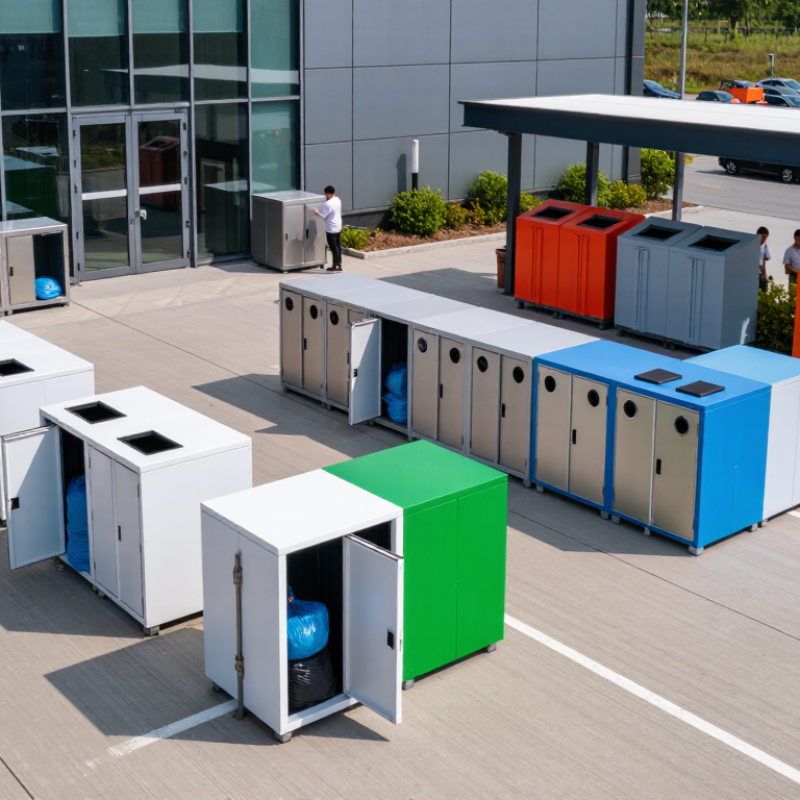
Clothing donation bins differ by design, access, and collection method. The ten useful formats include freestanding steel bins, weatherproof outdoor boxes, wall-mounted units, indoor wheeled bins, locked apartment chutes, charity-shop containers, event collection cages, textile recycling kiosks, smart fill-level bins, and curbside bag systems. Each format serves a different setting. Outdoor boxes need sealed doors, sloped roofs, and clear loading instructions. Indoor bins work better with narrow openings and removable liners. Small details matter.

Collection frequency can determine whether donations remain usable. A full bin may expose garments to rain, dirt, or repeated handling. Smart sensors can notify operators before capacity is reached, but sensors add maintenance costs. Manual inspection remains valuable. Staff can check damp fabric, broken bags, and contamination at scheduled pickups.

The U.S. Environmental Protection Agency reported that Americans generated 17 million tons of textile waste in 2018, with about 2.5 million tons recycled. That scale makes collection design more than a visual choice.

A practical bin should show accepted items, keep donations dry, and provide a visible contact number. The Ellen MacArthur Foundation reported that less than 1% of clothing material was recycled into new clothing in its 2017 textile economy analysis. Reuse therefore deserves careful handling before recycling.

One weakness is often overlooked: attractive bins may encourage volume, not quality. Operators should track fill rates, rejected materials, pickup delays, and the condition of recovered clothing. Those records reveal whether the chosen design actually works.

Standard Outdoor Bins for Everyday Clothing Donations

Standard outdoor donation bins serve everyday clothing donors who need a quick, visible drop-off point. A well-designed bin should resist rain, prevent sharp edges, and use a narrow opening that accepts folded garments. Anchoring also matters. A loose bin can shift, tip, or block a walkway. Clear signs should explain accepted textiles, operating hours, and collection schedules.

The U.S. Environmental Protection Agency reported that Americans generated about 17 million tons of textiles in 2018. Only about 2.5 million tons were recycled.

These figures show why convenient collection infrastructure remains important. The Ellen MacArthur Foundation also reported that one truckload of clothing is landfilled or burned every second globally.

However, outdoor bins are not automatically sustainable. Overflow, wet donations, and unclear ownership can reduce reuse quality. I have seen clean clothing become unusable after exposure to rain. That practical weakness deserves more attention.

Tips: Place bins on level, well-lit ground near regular foot traffic. Inspect openings and locks every day. Use waterproof liners and schedule pickups before the container becomes full. Keep instructions short. “Clean and dry clothing only” is usually clearer than a crowded sign. Accessibility should be checked in real conditions, not only on a site plan. Better data collection would also help operators measure contamination, reuse rates, and missed pickups.

Specialized Bins for Shoes, Accessories, and Household Textiles

Top 10 Clothing Donation Drop Off Bin Types?

Donation bins work better when each one has a clear purpose. Specialized bins protect items and reduce sorting problems at collection centers.

A shoe donation bin usually has a wide opening and a secure compartment. Tie pairs together before donating them. This prevents one shoe from getting separated. Accessory bins can accept handbags, belts, scarves, hats, and jewelry in usable condition. Small items should go into a clean bag. Household textile bins are designed for towels, curtains, blankets, bedding, and clean table linens. Some textile bins also accept worn fabrics for recycling, but local instructions can differ.

I have found that moisture causes the most avoidable damage. A damp towel can affect an entire bag. Wipe dusty accessories and check every pocket before donating. Textiles should be dry, odor-free, and placed in sealed bags during wet weather. Broken zippers, heavily stained fabric, and single shoes may not be suitable for reuse. I sometimes overestimate what can be donated, especially with old bedding. That judgment deserves a second look.

Tips: Read the label on the bin. Keep shoes paired. Fold textiles tightly. Avoid overfilled bags. Do not leave donations beside the container. Take a quick photo of the accepted-item list, because collection rules may change.

Indoor, Secure, and Community-Based Donation Drop-Off Options

Top 10 Clothing Donation Drop-Off Bin Types

Indoor, secure, and community-based donation points make clothing giving easier and more dependable. Common options include staffed charity shop bins, indoor mall kiosks, community center containers, apartment lobby boxes, workplace collection bins, school donation stations, faith center drop points, municipal reuse rooms, secure lockers, and scheduled neighborhood hubs.

Look for a dry, well-lit location with clear instructions. A locked container helps protect donations from weather, damage, and unauthorized removal. Staffed sites offer another advantage because someone can explain accepted items and collection times. Clothing should be clean, dry, and packed in closed bags. Check the posted rules before donating shoes, blankets, or accessories.

A practical lesson is that convenience does not always mean reliability. An attractive bin may have no collection schedule or visible contact information. That is a warning sign. I have also seen donors choose a nearby container without checking whether it was maintained. That small mistake can leave bags blocking doors or filling an already crowded box. Community-based sites often work best when residents report full bins quickly and follow local instructions. Indoor placement feels safer, but it still requires regular oversight. Choose the option with clear ownership, responsible maintenance, and respectful handling.

How to Choose the Right Clothing Donation Bin for Your Items

Top 10 Clothing Donation Drop Off Bin Types

Choosing the right clothing donation bin starts with the items you have. Outdoor steel bins suit clean, dry clothing packed in sealed bags. Indoor collection boxes work better for delicate garments because they stay away from rain and dirt. Apartment, school, and community bins often accept everyday clothing, shoes, and accessories. Temporary event bins can handle larger donation drives, but their collection schedule matters.

Some bins are designed for textile recycling rather than direct reuse. They may accept worn shirts, single shoes, towels, or damaged fabric. Other bins accept only wearable clothing. Read the posted instructions carefully. A winter coat may fit a general clothing bin, while wet fabric, loose items, or heavily stained pieces may be rejected. Please do not force bulky bags into a narrow opening.

I check every item before donating. Pockets should be empty, zippers closed, and clothing completely dry. Matching shoes with a simple tie prevents separation. A clear bag helps workers identify the contents quickly. However, I have learned that “still usable” can be subjective. A faded shirt may seem acceptable to one person but unsuitable to another. When labels are unclear, contacting the listed collection operator is safer than guessing. Keep receipts or confirmation details when available, especially for larger donations. A neat, honest donation protects sorting staff and gives each item a better chance of reaching the right use.

Top 10 Clothing Donation Drop-Off Bin Types? — How to Choose the Right Clothing Donation Bin for Your Items

Rank Donation Bin Type Best For Usually Accepted Recommended Item Condition Main Advantages Common Limitations Convenience Score
1 Dedicated Textile-Recycling Bin Worn, damaged, or unmatched textiles Clothing, shoes, household linens, towels, curtains, and other clean textiles Clean and dry; wearable condition is not always required Keeps unusable textiles out of landfill and may direct wearable items to reuse Acceptance rules vary; wet, moldy, or contaminated items are commonly refused ★★★★★
2 Charity Collection Bin Clean clothing and footwear suitable for reuse Adult and children's clothing, coats, accessories, paired shoes, and sometimes linens Clean, dry, wearable, and placed in a securely closed bag Convenient access and potential support for charitable programs Do not assume every item is distributed locally; prohibited items differ by operator ★★★★★
3 Municipal Recycling-Center Textile Bin Residents following local recycling instructions Textiles specified by the local authority, often including clothing, shoes, and household fabrics Usually clean and dry; some programs accept torn textiles for recycling Clear local guidance and established recycling infrastructure Operating hours, accepted materials, and preparation rules vary by location ★★★★☆
4 Thrift-Store Donation Drop Box Good-quality clothing ready for resale or reuse Seasonal clothing, shoes, bags, accessories, and household textiles listed in the site's policy Washed or clean, dry, odor-free, and free from major damage May help fund community services through resale Large, wet, broken, or heavily stained items may be rejected ★★★★★
5 Community or Faith-Center Donation Bin Direct community support and local clothing needs Clothing, coats, blankets, children's items, and other requested essentials Follow the posted request; most recipients need clean and usable items Can match donations with local seasonal or emergency needs Collection periods and item categories may be limited ★★★★☆
6 School or Workplace Drive Bin Organized short-term clothing collection events The specific clothing categories announced by the organizer Normally clean, dry, wearable items unless textile recycling is stated Easy group participation and clear campaign goals Availability depends on event dates and collection capacity ★★★★☆
7 Shelter or Social-Service Donation Bin Practical clothing needed by people in immediate need Season-appropriate clothing, underwear, socks, coats, shoes, and personal-care textiles when requested New or gently used, clean, complete, and ready to use Items may reach people with urgent clothing needs Needs can be highly specific; unrequested items may create storage problems ★★★☆☆
8 Outdoor or Apartment-Complex Textile Bin Quick drop-off near homes or high-traffic areas Commonly bagged clothing, shoes, and household textiles listed on the bin Clean, dry, and sealed in a bag; check the bin instructions first Highly accessible and useful for routine decluttering Bins may fill quickly, and local oversight or accepted-item policies can differ ★★★★☆
9 Specialty Uniform or Workwear Collection Bin Uniforms, work clothing, and occupation-specific garments Uniform shirts, trousers, jackets, protective clothing, or other items named in the campaign Clean and usable unless the program specifically accepts damaged textiles Can redirect specialized clothing to people who need the same type of garment Usually accepts a narrow range of items and may operate only during campaigns ★★★☆☆
10 Event-Based Seasonal Donation Bin Coats, school clothing, holiday clothing, or disaster-response collections Items specifically requested for the event, such as coats, children's clothing, or blankets Clean, dry, safe, and suitable for the stated seasonal purpose Focused campaigns can quickly collect high-priority items Short collection windows and strict category requirements are common ★★★☆☆

Selection tip: Choose a reuse-focused bin for clean, wearable items and a textile-recycling bin for clean but damaged fabrics. Always read the posted instructions, bag clothing securely, keep donations dry, pair shoes together, and never leave items outside an overflowing or closed bin.