
China Top 10 Check Valve Manufacturers 2026
The China Top 10 check valve Manufacturers 2026 guide examines a market shaped by stricter safety demands, smarter production, and global supply-chain pressure. Check valve performance matters in pumps, pipelines, water systems, chemical plants, and energy facilities. A failed disc can create reverse flow, water hammer, contamination, or costly downtime.
Recent industry reports show continued expansion. Grand View Research estimates that the global industrial valves market will grow steadily through 2030, supported by water infrastructure, energy projects, and process manufacturing. MarketsandMarkets also identifies Asia-Pacific as a major valve demand center, with China remaining important for production capacity and export development. However, market figures differ between reports. Their definitions, regions, and product categories are not identical.
That matters.
Peter Smith, author of Valve Selection Handbook, offers a useful engineering reminder: “The valve must be selected for the service in which it is to operate.” This principle guides our comparison. The ranking considers manufacturing experience, pressure ratings, materials, testing procedures, certifications, delivery capability, and after-sales support. API 6D, ISO 9001, ASME requirements, and documented factory testing receive particular attention.
A polished website is not enough.
Some manufacturers excel in forged steel valves, while others focus on wafer, dual-plate, swing, or sanitary designs. A lower purchase price may also hide higher maintenance costs. Readers should verify current certificates, test records, and project references before making a final decision. This list is therefore a practical starting point, not an absolute verdict. Supplier performance can change, and real operating conditions may challenge even a respected brand.
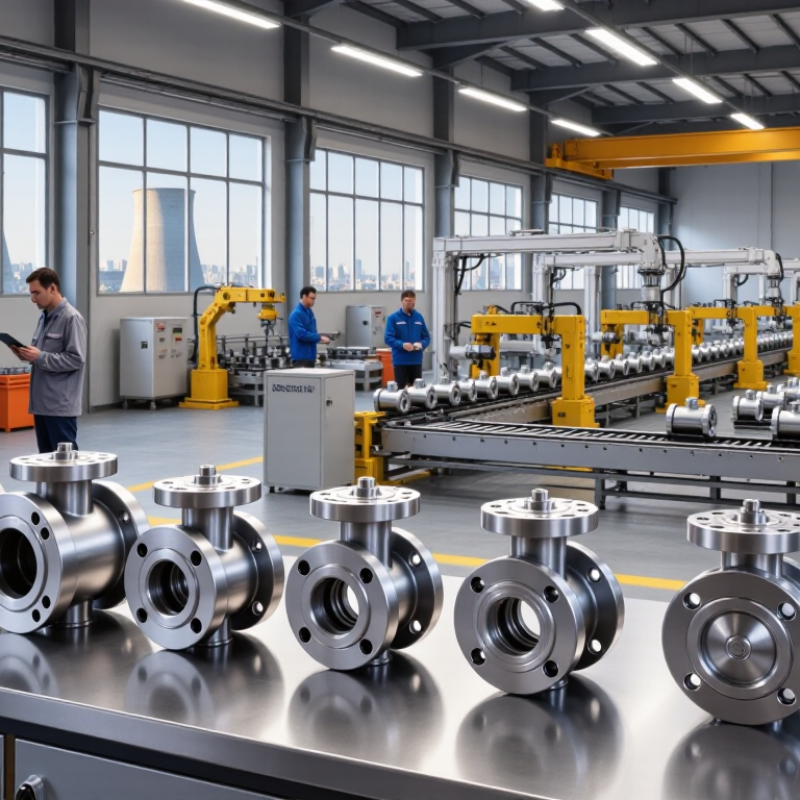
What Check Valves Are and Why China Matters in 2026
A check valve is a one-way flow control device. It allows fluid to move forward and blocks reverse flow. Unlike a manually operated valve, it works through pressure differences, gravity, or a spring-loaded mechanism. Common designs include swing, lift, wafer, and dual-plate valves.
In a pipeline, a small disc may close within seconds after a pump stops. That action can reduce backflow, protect pumps, and limit pressure shocks. Selection still requires care. Engineers must match the valve with the medium, temperature, pressure, pipe size, and installation position. A valve that performs well with clean water may fail early in abrasive slurry. This detail is often underestimated.
China matters in 2026 because its manufacturing base connects casting, machining, sealing materials, testing, and logistics. This concentration can shorten production cycles and support customized sizes. Many facilities now use digital inspection, pressure testing, and traceable production records. These practices help buyers verify performance instead of trusting appearance alone. Yet quality is not automatically consistent. Suppliers may differ in material control, leakage testing, documentation, and process discipline. Buyers should review test standards, inspection reports, and sample results before placing volume orders. Field feedback remains valuable, because laboratory conditions cannot reproduce every pipeline vibration or water-hammer event. A practical inspection may reveal what a catalog misses.
China Top 10 Check Valve Manufacturers 2026 - What Check Valves Are and Why China Matters in 2026
Ten widely specified check-valve configurations and procurement reference points for China’s industrial market in 2026
| No. | Check Valve Configuration | Operating Principle | Typical Industrial Applications | Common Body Materials | Typical End Connections | Key Advantages | Important Selection Considerations | Relevant Standards Commonly Specified | Why It Matters in China in 2026 |
|---|---|---|---|---|---|---|---|---|---|
| 1 | Swing Check Valve | A hinged disc opens with forward flow and closes when reverse flow develops. | Water supply, wastewater, oil and gas, petrochemical processing, and general industry. | Carbon steel, stainless steel, ductile iron, cast iron, and alloy steel. | Flanged, wafer, threaded, and butt-weld ends. | Low pressure loss, simple construction, and suitability for large pipe sizes. | May be unsuitable for severe pulsation or applications requiring very fast closure; installation orientation is important. | API 6D, API 598, ASME B16.34, EN 12334, and GB/T 12236 where applicable. | Widely used in large municipal, energy, water-treatment, and process-equipment projects. |
| 2 | Wafer Check Valve | A compact disc or plate assembly is installed between pipe flanges and closes against reverse flow. | HVAC, water treatment, fire-protection systems, chemical plants, and utility piping. | Ductile iron, carbon steel, stainless steel, and aluminum bronze. | Wafer, lug, or double-flanged designs. | Short face-to-face dimension, low weight, and reduced installation space. | Requires correct flange alignment and adequate flow velocity; valve suitability depends on pipe orientation. | API 594, API 598, ASME B16.34, and applicable GB/T requirements. | Supports compact skid packages and cost-sensitive infrastructure projects with limited installation space. |
| 3 | Dual-Plate Check Valve | Two spring-loaded plates open independently and close rapidly when flow reverses. | Power generation, pump discharge lines, cooling-water systems, petrochemical plants, and pipelines. | Carbon steel, stainless steel, duplex stainless steel, and nickel alloys. | Wafer, lug, and flanged connections. | Compact design, low weight, and reduced water-hammer risk compared with some conventional swing designs. | Spring performance, disc wear, minimum flow velocity, and installation direction must be evaluated. | API 594, API 598, ASME B16.34, and MSS SP-125 where specified. | Frequently selected for high-throughput industrial systems where space, weight, and dynamic response are important. |
| 4 | Lift Check Valve | A piston or poppet lifts from its seat under forward flow and returns to the seat under reverse flow. | Steam, high-pressure process lines, boiler systems, and refinery piping. | Carbon steel, forged steel, stainless steel, and alloy steel. | Flanged, threaded, and socket-weld connections. | Good sealing capability and suitability for high-pressure service. | Needs a suitable flow direction and generally performs best in horizontal piping or approved vertical arrangements. | API 602, API 598, ASME B16.34, and EN 12334 where applicable. | Relevant to compact high-pressure equipment packages and thermal-power applications manufactured in China. |
| 5 | Piston Check Valve | A guided piston moves axially to control forward flow and block reverse flow. | Steam, condensate, refinery services, high-pressure water, and process systems. | Forged carbon steel, stainless steel, chrome-moly alloy steel, and nickel alloys. | Flanged, butt-weld, socket-weld, and threaded ends. | Stable guided movement and reliable shutoff under appropriate operating conditions. | Pressure drop can be higher than that of some swing designs; lubrication, trim, and orientation may affect service life. | API 602, API 598, ASME B16.34, and applicable pressure-equipment specifications. | Matches the requirements of high-pressure process equipment and domestic energy-sector supply chains. |
| 6 | Ball Check Valve | A ball moves away from the seat during forward flow and returns to the seat to prevent reverse flow. | Slurry handling, wastewater, sewage, pumps, low-pressure water systems, and abrasive services. | Cast iron, ductile iron, carbon steel, stainless steel, and rubber-lined materials. | Flanged, threaded, socket, and grooved connections. | Simple operation, resistance to clogging in selected designs, and suitability for dirty fluids. | Ball and seat materials must match the fluid, solids content, temperature, and pressure requirements. | EN 12334, API 598, and applicable Chinese valve and pressure-testing standards. | Important for municipal wastewater, mining, environmental-protection, and pump-system projects. |
| 7 | Diaphragm Check Valve | A flexible diaphragm deforms to permit forward flow and returns to a sealing position against reverse flow. | Corrosive chemicals, ultrapure water, pharmaceutical production, food processing, and dosing systems. | PTFE-lined steel, polypropylene, PVC, PVDF, stainless steel, and elastomer-lined bodies. | Flanged, threaded, solvent-weld, and sanitary clamp connections. | Good isolation from moving metal components and compatibility with selected corrosive or hygienic services. | Diaphragm chemical compatibility, temperature limits, fatigue life, and cleaning requirements are critical. | EN 12334 where applicable, sanitary piping standards, and manufacturer-specific material specifications. | Supports China’s growing chemical, pharmaceutical, semiconductor, and water-purification industries. |
| 8 | Nozzle Check Valve | An axial nozzle and spring-assisted disc provide controlled opening and rapid closure. | Power plants, compressor discharge lines, LNG facilities, gas pipelines, and high-velocity systems. | Carbon steel, stainless steel, duplex stainless steel, and alloy steel. | Flanged, wafer, and butt-weld connections. | Fast response, reduced reverse-flow travel, and good suitability for pulsating or high-velocity service. | Flow coefficient, spring selection, pressure drop, noise, vibration, and dynamic stability require engineering review. | API 6D, API 594, API 598, ASME B16.34, and project-specific pipeline specifications. | Increasingly relevant to gas, LNG, hydrogen-ready infrastructure, and modern power-generation projects. |
| 9 | Tilting-Disc Check Valve | A disc pivots around an offset hinge and tilts out of the flow path during forward operation. | Large-diameter water pipelines, cooling-water systems, hydropower, and industrial circulation systems. | Ductile iron, carbon steel, stainless steel, and bronze alloys. | Flanged and double-flanged connections. | Suitable for large diameters and designed to reduce disc travel and closing impact. | Hinge design, closing characteristics, flow velocity, and water-hammer analysis should be reviewed. | EN 12334, API 594 where applicable, API 598, and relevant Chinese standards. | Fits large-scale water-transfer, hydropower, desalination, and municipal infrastructure programs. |
| 10 | Sanitary Check Valve | A hygienic poppet, spring, ball, or diaphragm mechanism prevents reverse flow while minimizing contamination risk. | Food and beverage, dairy, biotechnology, pharmaceutical, and clean-process systems. | 316L stainless steel, 304 stainless steel, PTFE, EPDM, FKM, and other approved elastomers. | Tri-clamp, weld, threaded, and hygienic flange connections. | Cleanable surfaces, hygienic construction, and compatibility with validated process systems. | Surface finish, dead-leg control, elastomer certification, CIP/SIP requirements, and drainability are essential. | ASME BPE, 3-A Sanitary Standards where required, EHEDG guidance, and applicable food or pharmaceutical regulations. | Supports China’s expanding pharmaceutical, biotechnology, dairy, beverage, and high-purity manufacturing sectors. |