What Is a Lipstick Tube and How Does It Work?
A Lipstick Tube looks simple, yet it combines protection, precision, and daily convenience. It holds the lipstick bullet, shields it from heat and dust, and raises it without direct finger contact. Inside, a small elevator mechanism moves the bullet through a rotating base. The movement feels ordinary. It is carefully engineered.
Grand View Research estimated the global lipstick market at approximately USD 11.5 billion in 2023. Its report also projects continued growth through 2030. McKinsey’s 2023 beauty report expects the wider beauty market to approach USD 580 billion by 2027. These figures increase pressure on packaging brands. A tube must now support performance, brand identity, and sustainability.
Packaging specialist Paul Jenkins, founder of ThePackHub, describes packaging as “the first user experience.” That idea fits lipstick closely. The cool metal shell, the audible click, and the smooth twist all shape consumer confidence. A weak hinge can feel cheap. A loose mechanism can damage the bullet.
A reliable Lipstick Tube usually includes an outer shell, an inner cup, a spiral track, and a rotating base. Material choices vary. Aluminum offers a premium feel and strong recyclability potential. Plastic can reduce weight and production cost. Refillable designs may reduce waste, but only when replacement systems are genuinely convenient.
There is no perfect format.
Industry reports often measure market value, not mechanism durability or real recycling outcomes. That gap deserves attention. This guide examines how a Lipstick Tube works, what its parts do, and why small engineering decisions influence everyday makeup use.
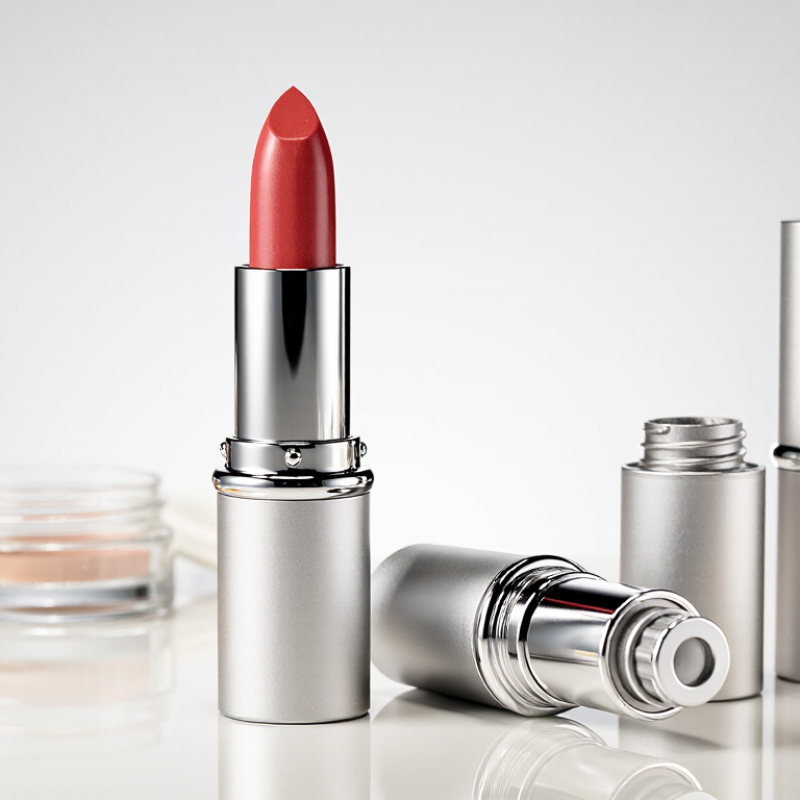
Definition and Basic Purpose of a Lipstick Tube
A lipstick tube is the protective container that holds and dispenses a lipstick product. Its basic purpose is simple: keep the formula clean, stable, and easy to apply. Most tubes include an outer case, an inner holder, a twisting base, and a small platform. When the base turns, the platform moves upward or downward through a threaded mechanism.
The tube also protects the lipstick from dust, pressure, and accidental contact. A close-fitting cap helps reduce exposure to air and prevents the product from marking a handbag or drawer.
During everyday use, the twisting action should feel smooth and controlled. If the mechanism feels loose, the lipstick may wobble or break during application. Small design details matter.
A well-designed tube supports practical hygiene. Users can raise only the amount needed, then lower the remaining product before replacing the cap. The container should stand securely on a flat surface. It should not force the lipstick too far above the rim.
That mistake is easy to make. Excessive extension can leave the exposed stick vulnerable to bending, especially in warm conditions.
Materials also influence performance. Plastic can reduce weight, while metal may provide a firmer, more substantial feel. Neither option is automatically better.
The real test is consistent movement, a secure closure, and dependable protection over time.
A lipstick tube is not merely decorative packaging; it is a small mechanical system supporting safe, convenient daily application.
Main Parts and Materials of a Lipstick Tube
What Is a Lipstick Tube and How Does It Work?
Main Parts and Materials of a Lipstick Tube
A lipstick tube is a small mechanical package that protects a cosmetic stick. Its main parts include the outer case, inner sleeve, holder cup, swivel mechanism, and cap. The case provides structure and a smooth surface for handling. The cap prevents dust, pressure, and accidental contact from reaching the lipstick. Inside, the holder cup supports the product while it moves upward and downward.
Most outer cases use aluminum, ABS, or polypropylene. Aluminum feels solid and resists surface wear, but it can add cost and weight. ABS offers stiffness and accurate molding. Polypropylene is lighter and handles repeated movement well. The inner cup often uses polypropylene or another cosmetic-compatible plastic. Steel may appear in the rotating mechanism because it tolerates friction. Material choice matters. A beautiful finish cannot repair a loose mechanism.
Turning the base rotates a threaded component inside the tube. This motion pushes the holder cup upward through a guiding track. Turning it back lowers the lipstick into the sleeve. Small internal clearances keep the stick centered and reduce wobbling. In packaging inspections, I look for uneven rotation, sharp edges, and excess movement. These defects can crack the lipstick or leave product on the rim. Temperature also matters, since plastic can expand slightly and change the fit. Some designs work well in testing but feel less reliable after repeated daily use. That gap deserves more attention.
How the Twisting Mechanism Raises and Lowers the Lipstick
What Is a Lipstick Tube and How Does It Work?
A lipstick tube protects the formula and controls its movement during use. Its main parts include the outer case, an inner holder, and a spiral track. The holder grips the lipstick firmly. The spiral track guides it upward or downward.
When you twist the base, a small internal elevator moves along the spiral path. Turning it in one direction raises the lipstick above the rim. Turning it back lowers the stick into the tube. This action changes circular movement into straight vertical movement. The fit must be precise. If the track is loose, the lipstick may wobble or lean. If it is too tight, twisting can feel rough.
The mechanism is simple, but not flawless. Heat may soften the lipstick and increase friction inside the holder. Repeated twisting can also leave product around the rim. In my experience, slow movement gives better control and reduces breakage. Still, users sometimes twist too far without noticing. That small habit can damage the exposed tip.
Tips: Keep the tube away from strong heat and direct sunlight. Twist only enough product for one application. Wipe the rim with a clean tissue when residue appears. If the holder feels stuck, do not force it. Check for softened product or debris first.
Common Lipstick Tube Designs and Manufacturing Considerations
A lipstick tube protects the formula, supports application, and controls how the product moves. Its main parts include the outer shell, inner cup, elevator, and base. A twist-up design uses a helical track to raise or lower the lipstick. A click-up design uses a spring or ratchet mechanism. Slim tubes save space, while wider tubes can offer stronger support for soft formulas.
Manufacturing choices affect both appearance and performance. Common materials include aluminum, plastic, and molded composite parts. Each material requires different molding, machining, coating, and inspection methods. The inner cup must hold the lipstick firmly without cracking it. The elevator also needs steady movement, with enough resistance to prevent unwanted rotation. Small dimensional errors can cause wobbling, scraping, or leakage.
Testing should cover drop resistance, twist-cycle durability, cap retention, and formula compatibility. Engineers often check torque by turning the mechanism repeatedly under controlled conditions. Surface coatings need inspection for scratches, uneven color, and poor adhesion. No design is perfect. A tube may look elegant but feel weak in daily use. A tighter mechanism may improve stability but become difficult for users with limited hand strength. Even a tiny gap around the cap can collect dust, so production teams should review real handling conditions, not only drawings.