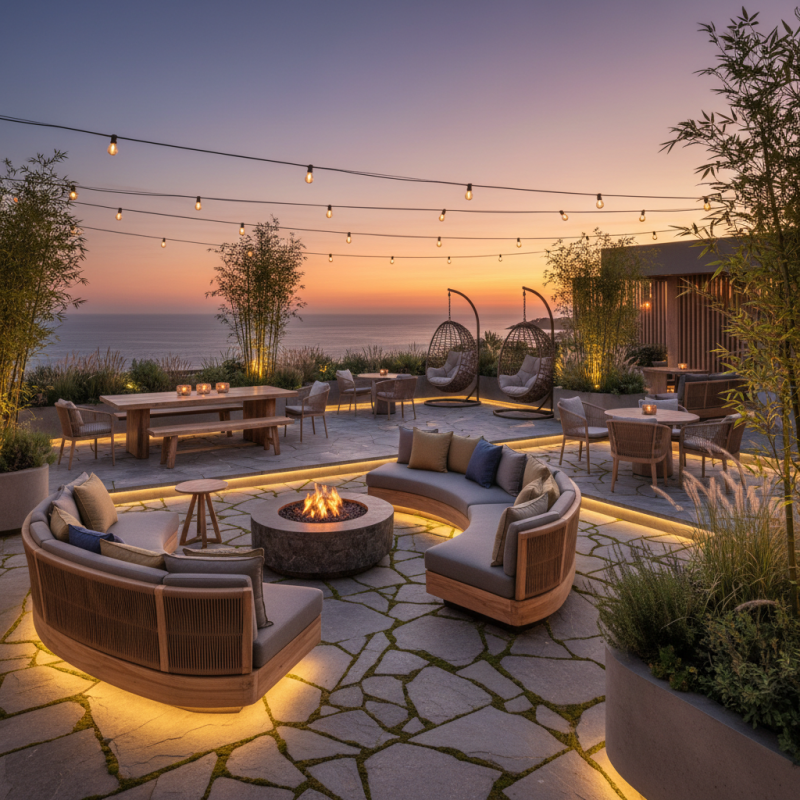
Top Hotel Outdoor Seating Trends for 2026 What to Know?
As we approach 2026, the world of Hotel Outdoor Seating is rapidly evolving. Guests are seeking unique experiences that weave nature gracefully into their stay. In this dynamic landscape, hotels must adapt to changing preferences. Modern outdoor seating is not just about comfort; it reflects a lifestyle.
Elements like sustainable materials and innovative designs are becoming essential. Cozy fire pits and luxurious lounge chairs are popular choices. However, many hotels still struggle with space limitations and inconsistent aesthetics. This creates a challenge in providing an inviting outdoor ambiance.
Balancing functionality with style is crucial. It's important for hotels to offer seating options that appeal to diverse guests. This includes families, couples, and solo travelers. Embracing these trends in hotel outdoor seating can enhance guest satisfaction. Thus, it's vital for hotel owners to stay informed and experimental.
Emerging Trends in Outdoor Seating for Hotels in 2026
As we look ahead to 2026, outdoor seating trends in hotels are rapidly evolving. Guests increasingly seek immersive experiences in open spaces. This shift emphasizes not just comfort, but ambience. Integrating nature into seating design is becoming essential. Think of cozy nooks surrounded by greenery. These setups invite guests to linger longer.
Sustainability remains crucial. Hotels are opting for eco-friendly materials. Reclaimed wood and recycled fabrics are on the rise. However, not all outdoor areas can accommodate this trend. Some hotels face challenges in sourcing sustainable options while maintaining a luxurious aesthetic. This raises questions about balance: comfort versus environmental responsibility.
Flexibility in design is another key trend. Modular seating arrangements allow for tailored experiences. They cater to small groups or large gatherings, making spaces versatile. However, achieving this can be tricky. Considerations like weather and maintenance complicate outdoor seating. Striking the right balance becomes a crucial conversation among hotel managers.
Design Innovations Shaping Hotel Outdoor Spaces
As hotels evolve, outdoor spaces become key. Guests seek serene environments to unwind. Thus, design innovations play a vital role. Think about natural elements. Green walls, lush plants, and organic materials enhance aesthetic appeal. Textures bring warmth. Seating arrangements must encourage socializing and relaxation.
Lighting is another important factor. Soft, ambient lighting creates a cozy atmosphere. Use eco-friendly options to align with sustainability trends. Fire pits can offer comfort during chilly nights. Water features add a calming vibe, inviting guests to linger longer. Outdoor furniture is also evolving. Modular pieces allow for flexibility, adapting to various group sizes.
What works today may not be enough tomorrow. Some hotels struggle to strike the right balance between style and comfort. Reflection on these details is crucial. Maintaining functionality while embracing creativity is a challenge. However, innovation can lead to memorable experiences. It’s about creating a space where guests feel at home while experiencing something special.
Top Hotel Outdoor Seating Trends for 2026
| Trend | Description | Materials | Color Palette | Expected Impact |
| Biophilic Design | Incorporating natural elements to enhance well-being. | Wood, Stone, Greenery | Earth Tones, Greens | Higher guest satisfaction and engagement. |
| Modular Furniture | Flexible seating arrangements to suit different group sizes. | Aluminum, Fabric | Bright Colors, Neutrals | Versatile spaces catering to various events. |
| Sustainable Practices | Use of eco-friendly materials and designs. | Recycled, Upcycled Materials | Natural Hues, Muted Shades | Enhances brand image and attracts eco-conscious guests. |
| Smart Technology | Integration of tech for guest convenience. | High-tech Materials | Metallics, Futuristic Colors | Improved guest experiences through personalized services. |
| Outdoor Lounging Areas | Creating cozy lounges for relaxation and socializing. | Soft Fabrics, Natural Textures | Warm Color Families | Encourages longer stays and social interactions. |
Sustainability Practices in Outdoor Hotel Seating Arrangements
In 2026, outdoor seating trends in hotels are set to emphasize sustainability. Eco-friendly materials will dominate designs. Think recycled woods, biodegradable textiles, and metal that can withstand the elements. These choices not only reduce waste but also create a natural ambiance. Guests will appreciate the connection to the environment, making their experience more memorable.
When planning outdoor seating arrangements, consider the local ecosystem. Use native plants in landscaping. They require less water and maintenance, supporting local wildlife. Create seating areas that blend into the surroundings. Opt for organic shapes that mimic nature rather than harsh, angular designs.
Tips for sustainable seating include sourcing materials locally. This reduces transportation emissions. Consider using modular furniture that adapts to different uses. Outdoor events may require flexible setups. Finally, educate staff about these practices. Ensure they can communicate the importance of sustainability to guests, fostering a culture of environmental awareness.
Top Hotel Outdoor Seating Trends for 2026: Sustainability Practices
The Role of Technology in Enhancing Outdoor Guest Experience
As hotels evolve in 2026, technology plays a crucial role in outdoor guest experiences. Guests increasingly seek comfortable spaces that connect them with nature. Outdoor seating areas equipped with smart technology can elevate this experience. Imagine seating equipped with solar-powered charging stations. Such features allow guests to enjoy the outdoors while staying connected.
Digital menus on tablets enhance the dining experience outdoors. These menus can provide detailed dish descriptions, pairings, and even allergies. Guests can learn about local ingredients, deepening their connection to the region. Wi-Fi access in outdoor areas becomes essential, allowing guests to share their experiences in real time.
However, technology integration may present challenges. Over-reliance on gadgets can detract from guest interaction. Balancing tech use with nature's beauty is vital. Outdoor seating must remain inviting, not cluttered with devices. Hotels must continually assess how technology can enhance, rather than overwhelm, the natural experience. Thoughtful integration will create memorable outdoor retreats.
Popular Materials and Styles for 2026 Hotel Outdoor Furniture
As the hospitality industry evolves, outdoor seating trends for hotels in 2026 focus on sustainability and comfort. Recent reports highlight the growing use of eco-friendly materials, such as recycled plastics and sustainably sourced wood. These materials not only reduce environmental impact but also enhance the aesthetic appeal of outdoor spaces. According to a 2023 study by the Outdoor Furniture Association (OFA), 70% of hoteliers report an increased demand for sustainable products from their guests.
In terms of design, trends show a shift towards modular furniture that allows flexibility in arrangement. This adaptability can accommodate various guest needs and enhance engagement with the surrounding environment. Textiles like weather-resistant fabrics are gaining popularity. They offer durability against the elements while providing visual comfort. Additionally, mixing textures—like wicker for seating and smooth metal for tables—creates a dynamic outdoor atmosphere.
Despite these advancements, challenges remain. 45% of hoteliers express concerns regarding the high costs of sustainable materials versus traditional options. Balancing aesthetics with budget constraints requires careful planning. As outdoor dining experiences evolve, frequent evaluation of guest feedback is essential to ensure alignment with expectations. The right combination of materials and design can elevate the guest experience, yet continuous adaptation is needed to keep pace with changing trends.