Are Grass Walls the Next Big Trend in Sustainable Design?
As urban environments become more congested, the concept of incorporating nature into our spaces is gaining traction. Grass Walls are emerging as a potential solution. These vertical gardens blend greenery into building design, offering aesthetic and ecological benefits. Richard Green, a leading expert in sustainable architecture, notes, "Grass Walls can transform concrete jungles into vibrant ecosystems." This statement reflects a growing belief in the power of nature to improve urban life.
Grass Walls not only enhance air quality but also provide insulation. The lush plants can absorb heat, reducing energy costs for buildings. However, the practicality of maintenance raises questions. Will urban dwellers commit to caring for these living walls? This concern cannot be overlooked. Cost is another factor to consider. Installing Grass Walls may require a significant initial investment.
Some view Grass Walls as a passing trend, while others see them as a new standard for eco-friendly design. Their success could hinge on user education and community involvement. Findings in this area remain varied. Are Grass Walls a viable approach to sustainable living? The future remains uncertain, but their potential impact is worth exploring.
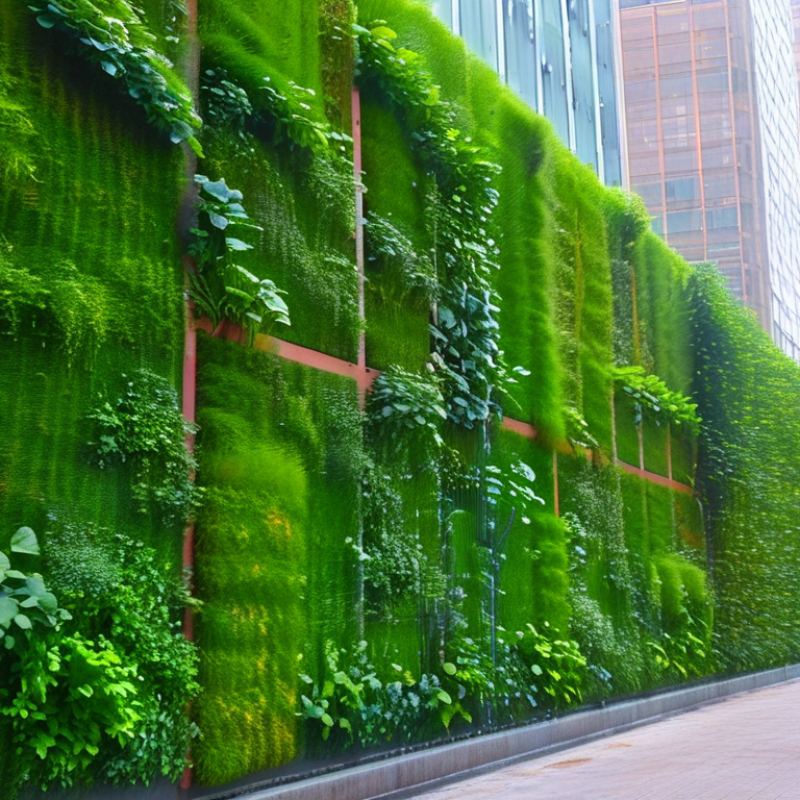
What Are Grass Walls and Their Key Characteristics?
Grass walls, or vertical gardens, are changing the way we think about sustainable design. These living walls are made up of plants grown vertically on structures. They can be installed indoors or outdoors, adding green aesthetics to any space. Grass walls provide insulation, reduce heat, and improve air quality. They can transform bland walls into lush, vibrant displays.
The key characteristics of grass walls include their ability to promote biodiversity and enhance urban habitats. These walls can support various plant species, which attract beneficial insects like bees and butterflies. Additionally, they can absorb rainwater, reducing runoff and preventing erosion. Creating a grass wall requires careful planning, including selecting appropriate plants that thrive in specific climates. While beautiful, they also demand maintenance, such as regular watering and pruning.
Not everyone may find grass walls easy to install. Some may struggle with choosing the right plants or managing soil health. Moreover, costs can vary significantly, depending on the size and complexity of the installation. These walls can be a challenge but offer a unique opportunity to engage with nature while contributing to sustainability. Creating a grass wall involves learning and adjusting as you go.
Benefits of Implementing Grass Walls in Urban Design
Grass walls, or living walls, offer several benefits to urban design. These structures not only enhance aesthetics but also support environmental sustainability. A recent report by the Green Building Council highlights that implementing greenery in urban areas can reduce ambient temperatures by up to 10 degrees Fahrenheit. This cooling effect addresses urban heat islands, a growing concern for many cities.
Moreover, grass walls improve air quality by absorbing pollutants and carbon dioxide. According to a study by the Environmental Protection Agency, urban vegetation can remove about 25% of pollutants. Grass walls create a microhabitat that fosters biodiversity as well. They attract pollinators like bees and butterflies, crucial for urban ecosystems. However, maintenance can be a challenge. Regular care is essential to ensure plant health and aesthetic appeal.
Consider the installation costs. Grass walls can be expensive initially, but they yield long-term benefits. Studies indicate that increasing green spaces can enhance property values and contribute to community well-being. However, cities must be mindful of which plants to use. Choosing non-native species can lead to unintended ecological consequences. Balancing aesthetics, sustainability, and biodiversity remains a vital discussion in the design community.
Comparative Analysis: Grass Walls vs. Traditional Vertical Gardens
Grass walls and traditional vertical gardens serve similar aesthetics but diverge greatly in sustainability. Grass walls utilize natural grasses, creating a living landscape. They help with insulation and reduce urban heat. Unlike traditional vertical gardens, which often require extensive irrigation, grass walls naturally adapt to their environment. This makes them more suitable for areas with fluctuating climates.
However, maintenance is an area of concern. Grass walls may require periodic trimming and careful selection of grass species. Some plants might struggle in urban conditions. Traditional vertical gardens, while often using more diverse plant species, may rely heavily on irrigation systems. This can lead to increased water usage, contradicting sustainability goals.
The materials involved in constructing these systems also play a role. Grass walls often use fewer synthetic components. In contrast, vertical gardens may depend on plastic or metal frames, raising questions about their long-term impact. Both options have merits, but the effectiveness heavily depends on local climate and environmental goals.
Are Grass Walls the Next Big Trend in Sustainable Design? - Comparative Analysis: Grass Walls vs. Traditional Vertical Gardens
| Feature | Grass Walls | Traditional Vertical Gardens |
| Initial Cost | Moderate | High |
| Maintenance Requirements | Low to Moderate | High |
| Biodiversity Support | High | Moderate |
| Carbon Sequestration | Effective | Effective |
| Aesthetic Value | Unique and Lush | Classic Greenery |
| Water Usage | Less Water Efficient | More Water Efficient |
| Installation Complexity | Moderate | High |
Case Studies: Successful Applications of Grass Walls Globally
Grass walls are gaining traction as innovative elements in sustainable design. One notable example is the Bosco Verticale in Milan, Italy. This residential complex features lush vegetation on its balconies. The plants help reduce energy consumption and filter air pollutants, exemplifying the dual benefits of aesthetic appeal and environmental sustainability.
In Singapore, the PARKROYAL on Pickering hotel showcases an extensive green wall that integrates nature into urban living. This wall not only enhances the hotel's visual appeal but also contributes to biodiversity. However, maintaining these green installations can be challenging. Regular upkeep is essential to ensure that the plants thrive and continue to serve their ecological purposes.
Another case is the Green Roof and Wall at the University of Melbourne. This initiative focuses on education and research about vertical gardens. While the commitment to sustainability is commendable, the long-term effectiveness of such installations must be assessed continually. Experiences from these projects highlight both the potential and the hurdles of incorporating grass walls into urban landscapes.
Challenges and Considerations in Maintaining Grass Walls
Grass walls offer a unique touch to sustainable design, but maintenance challenges arise. These living walls require regular care to thrive. Understanding how to maintain them is vital for success.
One major consideration is hydration. Grass walls need consistent watering, especially in dry climates. Too much water can lead to root rot. Conversely, not enough can cause browning. Maintaining the right moisture level is crucial for plant health.
Tips for effective care include selecting hardy grass varieties that suit your climate. Consider plants that are drought-resistant or require less water. Regular pruning is essential. This keeps the grass looking neat and fosters healthy growth. Watch for pests that may harm the plants, such as aphids or beetles. Early detection can save your wall from significant damage.
While grass walls can enhance aesthetics, they also require commitment. Be prepared for ongoing maintenance challenges as you embrace this sustainable trend.
Are Grass Walls the Next Big Trend in Sustainable Design?
This chart illustrates various considerations regarding grass walls, which are becoming a notable trend in sustainable design. The scale ranges from 1 to 10, indicating the perceived importance or challenges associated with each factor.