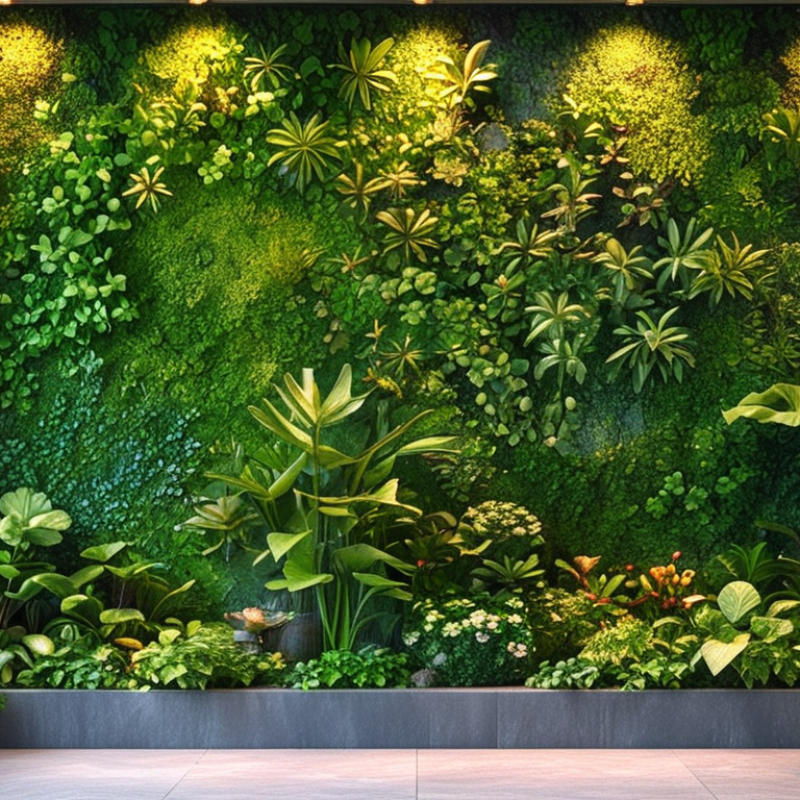
How to Create a Stunning Plant Wall for Your Space?
Creating a stunning Plant Wall can transform any space into a vibrant oasis. A plant wall is not just about aesthetics; it enhances air quality and promotes well-being. With various plants to choose from, a plant wall can reflect your personal style and commitment to environmental sustainability.
Start by selecting the right plants for your space. Consider the lighting conditions and the maintenance level you are willing to invest in. Some plants thrive in low light, while others need ample sunlight. This decision is crucial.
Designing the layout is equally important. You might feel overwhelmed by the choices available. It’s okay to experiment and even make mistakes. A plant wall should be a reflection of your creative vision. Take your time to plan, and don’t hesitate to seek advice if needed. A well-crafted plant wall can be a stunning centerpiece in your home.
Choosing the Right Location for Your Plant Wall
Choosing the right location for your plant wall is essential. Light is a critical factor. Most plants thrive in indirect sunlight. Observe your space throughout the day. Note how sunlight moves and where shadows fall. This will help in selecting the perfect spot.
Consider your room's humidity and temperature. Some plants prefer more moisture. Bathrooms or kitchens may be suitable choices. However, high humidity can lead to mold if not properly managed. Make sure to balance aesthetics with practicality. A stunning wall can feel overwhelming if placed in a cramped space.
Accessibility is another key aspect. Ensure you can easily reach your plant wall for maintenance. Some plants need pruning and watering. Think about your routine and lifestyle. A neglected wall can quickly lose its charm. Reflect on your choices as you create your plant sanctuary. Perfect doesn’t exist, but creating beauty requires thought and care.
Plant Wall Growth Potential by Light Level
Selecting Ideal Plants for Your Vertical Garden
Creating a vertical garden can be exciting, but choosing the right plants is crucial. Start by understanding your growing conditions. Light levels, humidity, and temperature all play a role. Fill your garden with plants that thrive in your space. For example, if sunlight is limited, opt for shade-tolerant varieties. Consider ferns and philodendrons for low-light areas.
Next, think about aesthetics and maintenance. Group plants with similar watering needs. Succulents can add unique textures to your wall, but they require less frequent watering. Some plants may grow too large over time. Regular pruning can help maintain their shape. Monitor their health closely. Yellowing leaves can signal issues needing attention.
Also, consider the seasonality of your choices. Some plants bloom beautifully in spring, while others shine in winter. Changing your plant selection according to the seasons can keep your wall visually appealing. This reflection can also challenge your skills as a plant parent. Embrace imperfection; a few wilting plants can teach valuable lessons.
Designing the Layout and Structure of Your Plant Wall
Creating a beautiful plant wall starts with thoughtful planning and design. Begin by selecting the right location. It should receive adequate sunlight, yet remain sheltered from harsh winds. Consider the wall's surroundings. A stark white wall creates a stunning contrast, while a rustic brick wall adds warmth.
Next, think about the layout. Using grid patterns helps keep plants organized. Vertical planters can make it easier to manage space. Ensure you have a water-retaining backing. This avoids damage to your wall surface and minimizes watering effort. Balance the size and color of the plants. Use trailing vines to soften edges and create depth. Experimenting with various heights adds visual interest.
Don't be afraid to make mistakes along the way. You may pick plants that don't thrive together. Over time, you’ll learn which combinations work best. Reflect on your choices and adjust as needed. Your plant wall can evolve. It's a living work of art that tells a story about your space.
How to Create a Stunning Plant Wall for Your Space?
| Dimension | Details |
| Wall Size | 6 ft x 8 ft |
| Plant Types | Ferns, Succulents, Spider Plants, Pothos |
| Light Requirement | Indirect sunlight |
| Watering Frequency | Every 1-2 weeks |
| Soil Type | Well-draining potting mix |
| Structure Type | Vertical Panel System |
| Maintenance | Pruning, Fertilizing monthly |
| Aesthetic Style | Modern and Lush |
Installing and Maintaining Your Plant Wall Effectively
Creating a plant wall adds beauty and life to any space. However, installation and maintenance require careful planning. Choose a suitable wall that receives good light and can support the weight of your plants. It's important to select plants that thrive in your specific environment. Research which varieties do well together to avoid competition for nutrients.
When installing, ensure each plant has adequate space. Crowding can lead to mold and decay. Use a sturdy framework or pockets for best results. Regularly check for pests and diseases; prevention is key. Watering should be consistent, but overwatering can harm your plants.
Maintenance challenges are part of the process. Sometimes, a plant will wilt or not thrive. This can be frustrating. Don’t hesitate to replace struggling plants. Experimenting with different species might lead to a healthier wall. Regular pruning will keep your plant wall vibrant and encourage growth.
Incorporating Lighting and Accessories for Aesthetic Appeal
Creating a stunning plant wall involves more than just choosing the right plants. Lighting plays a crucial role in enhancing the aesthetic appeal of your greenery. Proper illumination can highlight textures and colors, transforming your plant wall into a visual masterpiece. Consider using LED grow lights that mimic natural sunlight. These lights can be adjusted in intensity and direction, helping your plants thrive.
Accessories also add depth to your plant wall. Think about using shelves, frames, or hanging planters. These elements create varying heights and visual interest. Decorative pots can complement the plants, but don't go overboard. Keep it simple for a clean look. Over-decorating can distract from the natural beauty of the plants themselves.
When planning your wall, reflect on your space. Is it too dark? You may need to rethink your lighting strategy. Are the plants you chose fitting well? Some may not thrive in certain conditions. Remember, a plant wall is a dynamic project. What works initially may need adjustments over time as plants grow and interact with their environment.