2026 How to Choose the Perfect Antique Stool for Your Home?
When selecting the perfect antique stool for your home, it's essential to consider various factors. An antique stool can be a charming addition, blending history and style into your space. Each piece tells a story, reflecting the craftsmanship of its time.
An ideal antique stool should match your interior design. Think about colors, materials, and shape. Whether you prefer a rustic wooden stool or a more ornate upholstered one, the choices can be overwhelming. Authenticity is crucial. Look for signs of wear and unique markings that indicate its age.
Don’t rush the process. Finding the right antique stool might take time. Reflect on how the piece will fit into your home. Will it serve a functional purpose or solely as décor? This decision can affect your overall satisfaction. Remember, each stool carries its imperfections. Embrace these flaws; they add character and charm. An antique stool isn’t just furniture; it’s a piece of history waiting to find its place in your home.
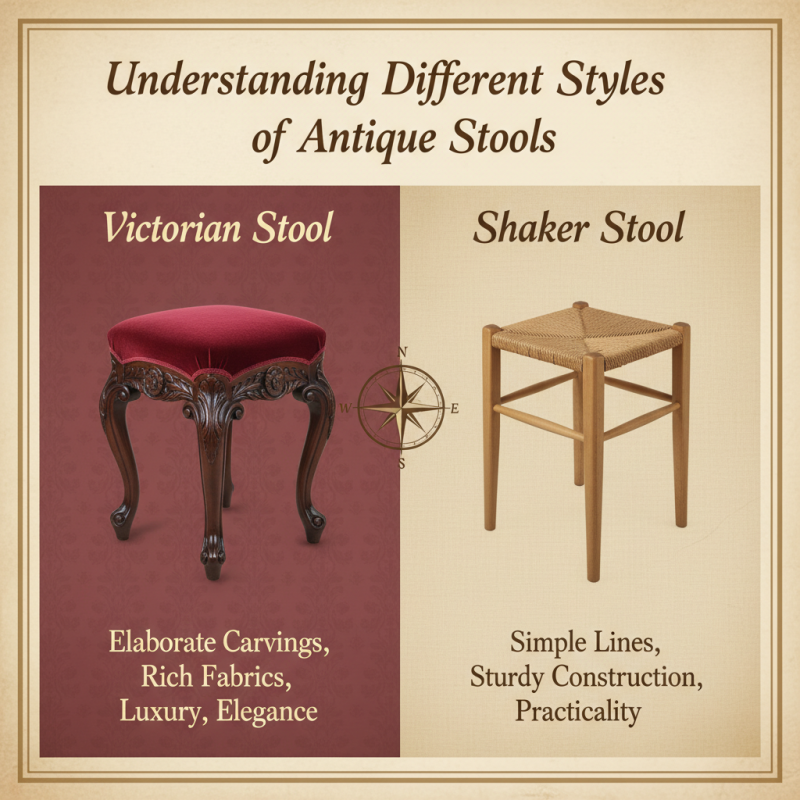
Understanding Different Styles of Antique Stools
When choosing an antique stool, style is crucial. There are various designs that can enhance your home décor. Victorian stools feature elaborate carvings and rich fabrics. They often signify a luxurious era and offer a sense of elegance. In contrast, Shaker stools are minimalistic. Their simple lines and sturdy construction promote functionality. These stools are ideal for homes that celebrate craftsmanship and practicality.
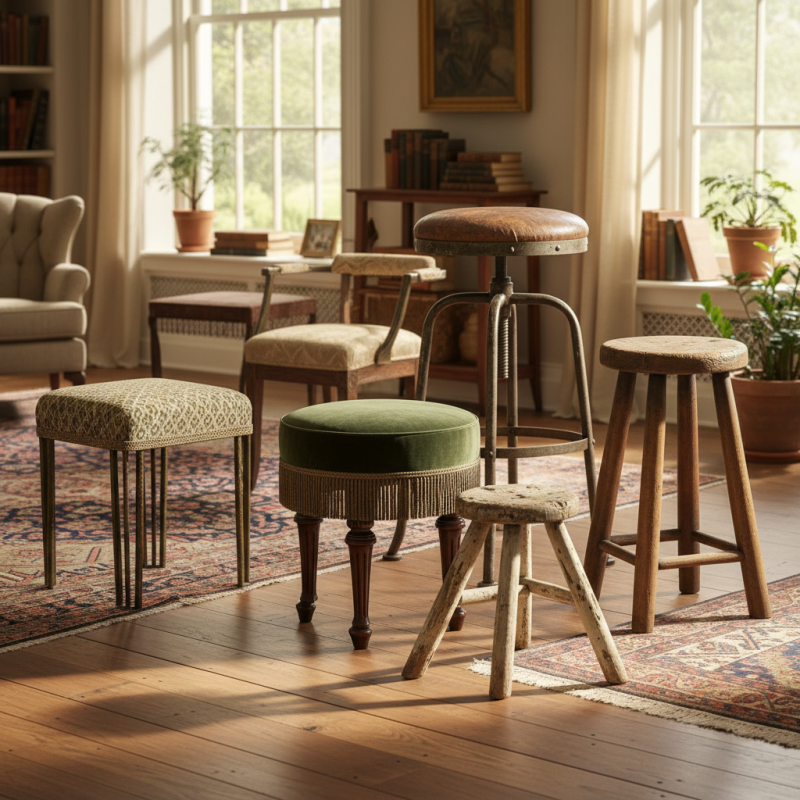
Consider the materials used. A wooden stool can bring warmth to a room. Look for unique grains and finishes. Metal stools, on the other hand, can introduce an industrial touch. Vintage metal stools often have character, showcasing their history. Pay attention to the patina. It reflects the soul of the piece and tells a story.
Don't overlook the size and height. A stool that is too tall or too short can disrupt balance. Measure your space carefully. Also, reflect on your lifestyle. Will the stool be for occasional seating or frequent use? These various considerations can lead to unexpected challenges. Finding the perfect antique stool is a journey of discovery.
Assessing Quality: Materials and Craftsmanship of Antique Stools
When selecting an antique stool, assessing quality is crucial. High-quality materials enhance durability and aesthetic appeal. Solid wood is often preferred. Cherry, oak, and walnut are popular choices. They display beautiful grain patterns. Each material has unique qualities. Oak is known for its strength, while walnut offers richness. Antique stools can often last for generations if well-crafted.
Craftsmanship matters immensely. Attention to detail affects value and longevity. Look for joints and fittings that are secure. Dovetail joints signify quality in wooden stools. According to industry reports, well-constructed antique furniture retains up to 80% of its original value. Moreover, observed wear can add character, though excessive damage is a red flag.
Understanding finish is essential. Natural oils and waxes are traditional and safe. Chemical finishes can degrade antique value. Be wary of alterations that can detract from authenticity. Quality antique stools are investments. They require careful evaluation to ensure their potential in your home. Always trust your instincts. If something feels off, it likely is.
Evaluating Size and Proportions for Your Space
When selecting an antique stool, size and proportions are crucial. An oversized stool can overwhelm a small room. Conversely, a tiny stool may get lost in a spacious area. Measure your space carefully. Consider the height and width of the stool in relation to your furniture. A stool should be easy to use and fit well with your existing decor.
Think about the purpose of the stool. Will it be a functional piece or a decorative accent? If it's for extra seating, ensure it’s comfortable. The seat height should match your table or counter. Be mindful of the distance between pieces. A stool that is too low or too high can disrupt the flow of your space.
Visualize how the antique stool will interact with other elements. Envision how many legs will fit under the table. Ensure there’s enough room for people to move comfortably. It’s important to reflect on how the stool’s age and style complement your home. A mismatched piece might not feel like it belongs. Balancing these factors can lead to a harmonious atmosphere.
Finding the Right Finish and Color to Match Your Decor
Choosing the right finish and color for your antique stool can transform your space. Start by considering the overall color palette of your room. If your decor leans toward warm tones, consider a wood finish that enhances this warmth. Darker woods, like mahogany, can add richness. Lighter finishes, such as oak, create a fresh look.
It's essential to think about how the stool will interact with other furniture. A stool that clashes with your existing pieces can disrupt the harmony of your decor. Don't shy away from experimenting with unexpected colors. A pop of color on an antique stool can serve as a focal point, bringing life to a neutral setting.
When selecting a finish, think about the type of wood and its grain. Some finishes showcase the wood's natural beauty, while others may conceal it. Finding the right balance is crucial. Consider how the texture feels—smooth or rustic—because that will affect the overall vibe. Take time to reflect on your choices, and remember, it’s okay if your first selection doesn't feel perfect.
2026 How to Choose the Perfect Antique Stool for Your Home?
| Feature |
Description |
Finish Options |
Color Variations |
| Material |
Solid wood or metal for durability |
Natural, distressed, varnished |
Brown, black, white, gray |
| Height |
Standard heights are 18-30 inches |
Short, bar height, adjustable |
Natural wood tones, painted options |
| Style |
Traditional, vintage, modern |
Matte, glossy, satin finishes |
Earthy tones, pastels, bold colors |
| Comfort |
Cushioned vs. non-cushioned seats |
Upholstered, wood seats |
Patterned fabrics, solid colors |
| Condition |
New, refurbished, vintage |
Refinished, original patina |
Natural hues, painted finishes |
Tips for Maintaining and Restoring Antique Stools
Antique stools can add charm to your home. However, they require special care. Here are some tips for maintaining and restoring them.
Begin with regular cleaning. Use a soft cloth to dust surfaces. Avoid harsh chemicals that can damage the finish. Instead, a mild soap solution works well. For stubborn stains, gently rub with a soft sponge. Test any cleaning method on a hidden area first.
Restoration can be rewarding but challenging. Assess the damage before proceeding. Sometimes, all that’s needed is a fresh coat of varnish. Other times, you may need to replace or repair legs. Remember, preserving originality is key. A skilled restorer can help if you're unsure how to proceed. Their expertise can prevent mistakes that could diminish value.
Consider the wood type when restoring. Different woods react differently to treatments. Research your stool’s material. This knowledge can guide your restoration decisions. Reflect on what aspects of the stool are most important to you. A well-restored piece can be both functional and a conversation starter.