How to Choose the Best Sink Strainer for Your Needs?
Choosing the right Sink Strainer can significantly enhance your kitchen experience. According to Susan Leary, a leading expert in kitchen accessories, “A great sink strainer is essential for efficient plumbing.” With so many options available, it’s crucial to understand what fits your specific needs.
When selecting a sink strainer, consider the type of material. Stainless steel is durable, while plastic can be lightweight. Each option has its pros and cons. Look for features like easy installation and cleaning. A complex design may seem appealing but can lead to clogs over time.
Every kitchen is unique. Your choice should reflect personal habits and the kitchen size. Some might desire a minimalist design, while others prefer functional features. Review your daily routine and consider how often you cook. These factors will guide you toward the best sink strainer for your home.
Understanding the Different Types of Sink Strainers Available
When selecting a sink strainer, it's essential to know the different types available. Sink strainers come in various designs, each serving specific purposes. Mesh strainers are popular for their fine mesh, catching even small food particles. They are easy to clean and maintain, but they may need frequent emptying in high-usage kitchens.
Another common type is rubber strainers, which create a seal over the drain. These are simple and effective, preventing larger debris from passing through. However, they can sometimes trap odors if not cleaned regularly. For aesthetic appeal, basket strainers offer an elegant look and function. They can enhance your sink’s design, yet they may require more diligent cleaning to avoid clogs.
It's worth noting that the right choice ultimately depends on your kitchen habits. Consider how often you cook and the type of food you prepare. A system that works well for one household might not be effective for another. Regular assessments of your sink strainer's functionality can lead to better kitchen hygiene. Remember that not every strainer will suit every sink, so a little trial and error might be necessary.
Evaluating Material Options for Durability and Performance
When choosing a sink strainer, the material plays a significant role in its durability and performance. Stainless steel is a common option. It resists rust and corrosion well. However, not all stainless steel is created equal. Some models may use a lower grade, affecting longevity. Users should check the specifications closely.
Another popular choice is silicone. It offers great flexibility and prevents scratching on sink surfaces. Yet, silicone can wear out faster than metal. If you choose silicone, inspect it regularly for any signs of deterioration. Plastic strainers are lightweight and affordable but can break easily. They are often less effective at catching small debris.
When evaluating these materials, it is essential to consider your sink's usage. High-traffic kitchens might need stronger materials. Conversely, a bathroom or guest sink may not require the same level of durability. Think about the long term. The best sink strainer will combine functionality with resilience, tailored to your specific needs.
Assessing Size and Compatibility with Your Sink
Choosing the right sink strainer is essential for a smooth kitchen experience. Start by assessing the size and compatibility with your sink. A report from the National Kitchen and Bath Association emphasizes that a proper fit can reduce clogs by up to 40%. Therefore, measure the diameter of your sink drain before making a purchase. Standard sizes typically range from 2 inches to 3.5 inches.
When looking at compatible materials, stainless steel options are often recommended. They resist rust and are easy to clean. Plastic strainers may also be an option, but they can degrade over time and may not withstand heavy use. Some kitchen experts suggest that threaded designs may offer a more secure fit, potentially reducing issues with leaks and backups.
Tips: Always check the manufacturer's specifications. Look for strainers with easy-to-remove designs. Cleaning shouldn’t be a hassle. Failing to address these details can lead to recurring plumbing frustrations. While it might seem tempting to buy the cheapest option, consider the long-term costs. Investing in a reliable strainer can save you money on plumbing repairs.
Exploring Design Features for Enhanced Functionality
When selecting a sink strainer, design features can greatly enhance its functionality. A well-designed sink strainer can effectively catch food particles, preventing clogs. Look for models with sturdy mesh that can capture even the smallest debris. This prevents future plumbing issues, saving you time and money.
Consider the shape and fit of the strainer. Some designs fit snugly while others sit loosely. A loose strainer may allow larger food items to slip through. It's crucial to choose one that matches your sink size perfectly. Many strains can be adjusted but finding the right model is essential for optimal performance.
Tips: Look for strainers with anti-odor features. This helps maintain your kitchen's freshness, especially in busy households. Regular cleaning and maintenance are vital. Accumulated debris can cause unpleasant smells, undermining the strainer's effectiveness. Reflect on your needs regularly to ensure you're using the best strainer for your kitchen's demands.
Considering Maintenance and Cleaning Requirements of Strainers
When choosing a sink strainer, maintenance and cleaning requirements are crucial. Strainers often accumulate food particles and grease. This buildup can lead to unpleasant odors and clogs. It's essential to select a strainer that is easy to clean.
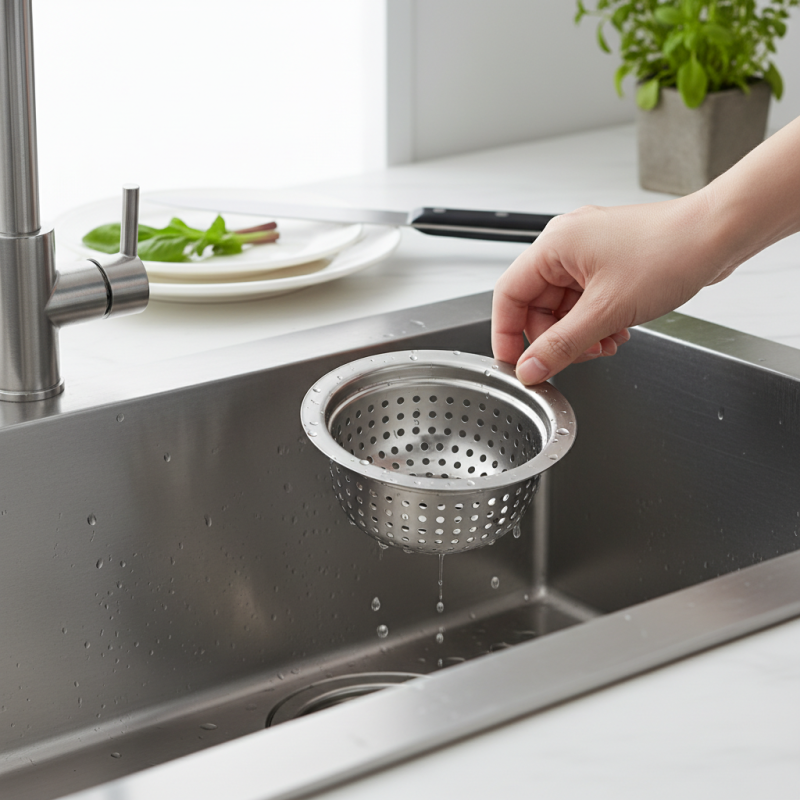
One tip is to opt for a strainer with a removable basket. This design allows for quick and straightforward cleaning. You can simply lift the basket out, discard the waste, and rinse it under warm water. Regular cleaning can prevent long-term issues.
Another consideration is the material of the strainer. Stainless steel is durable and resistant to rust. However, it may require more frequent polishing to maintain its appearance. A plastic strainer might be easier to clean but may wear out faster. Reflect on your priorities: convenience or durability.
Investing time in understanding how to maintain your strainer can save you trouble later. A clean strainer enhances kitchen hygiene. Remember, an overlooked strainer can quickly become a hassle. Choose wisely for a smoother experience.
Comparison of Sink Strainers Based on Maintenance and Cleaning Requirements