
How to Choose the Best Outdoor Table and Chairs
Choosing Outdoor Table And Chairs is less about matching a catalog photo and more about how your space works on an ordinary day. Furniture designer Charles Eames said, “The details are not the details. They make the design.” That idea matters outdoors, where a chair’s weight, a tabletop’s finish, and even the space needed to pull out a seat can shape everyday comfort.
Start with the space itself. Measure the patio, balcony, or deck, then leave room for chairs to move without scraping a wall or blocking a doorway. Think about who will use the set and how: quick breakfasts, long dinners, or weekend gatherings. A compact round table can soften a tight corner, while a rectangular table may suit a narrow deck. Check materials against your local weather and maintenance habits. A beautiful finish is less useful if it needs care you will not provide. Small details matter.
Comfort deserves a real test. Sit down, rest your arms, and check whether your knees fit beneath the table. If possible, view the set in person; product photos rarely show how a chair feels after an hour. There is no perfect choice for every home. Even careful planning can miss something—a chair may feel bulky once it arrives. This guide will help you compare size, materials, comfort, durability, and style, so your final choice suits both your outdoor space and the way you actually use it.
Identify Your Outdoor Space, Needs, and Intended Use
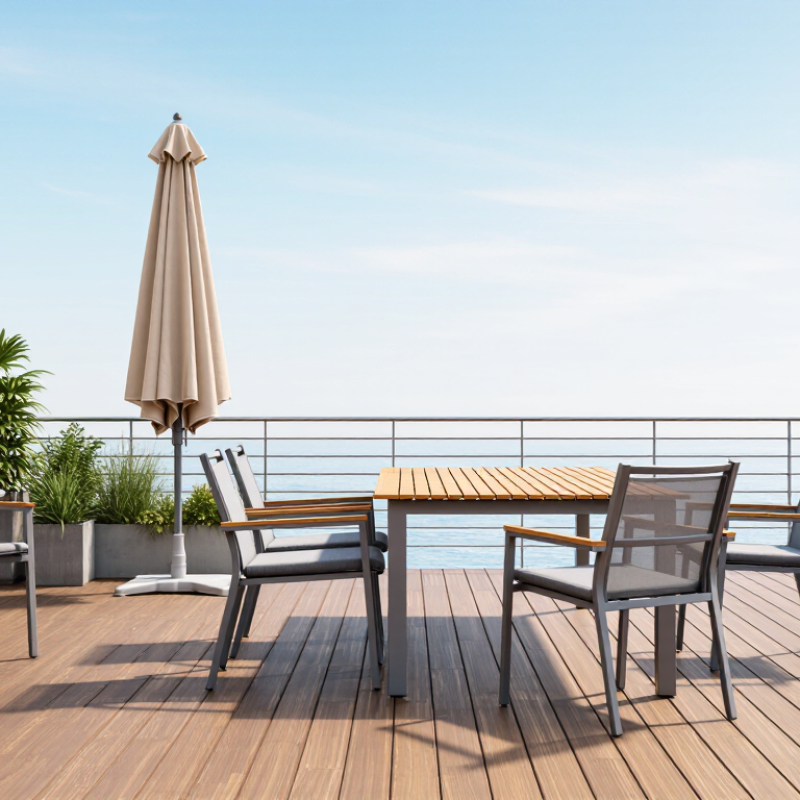
Start with the space, not the furniture. Measure the patio, deck, or balcony, then note doors, steps, railings, and the path people use most. A table that fits on paper can still block a sliding door. Leave roughly 36 inches for a comfortable walking route, and check the chair’s full pull-back space. On a narrow balcony, a small round table may feel easier to navigate than a long rectangular one. I still find this easy to misjudge.
Next, picture an ordinary day. Is the set for quick breakfasts, long dinners, children’s crafts, or quiet reading? Count the people who use it regularly, then allow for occasional guests without buying seats that crowd the space year-round. The 2023 Remodeling Impact Report from the National Association of REALTORS and the National Association of Landscape Professionals estimated a 95% cost recovery for a new patio. That figure concerns resale, not comfort, but it signals how much a usable outdoor area can matter. Match materials to the site, too: exposed decks need weather-resistant surfaces, while shaded corners may prioritize easy cleaning. If you cannot comfortably pull out a chair, the layout needs another look.
| Outdoor Space | Typical Space Size | Suggested Table and Seating | Space Planning | Best Suited For | Practical Material Considerations |
|---|---|---|---|---|---|
| Small balcony | About 4 × 6 ft | 24–30 in round bistro table with 2 compact chairs | Measure door swing and walking path first. Folding chairs or a drop-leaf table can be stored when not in use. | Coffee, light meals, or seating for two | Choose lightweight, weather-resistant furniture that is easy to move and store. Check building rules before attaching anything to railings. |
| Compact patio or apartment terrace | About 8 × 8 ft | 30–36 in round table or a small square table, with 2–4 chairs | Aim to leave about 36 in behind chairs where people need to walk; tighter layouts may need chairs that tuck fully under the table. | Everyday meals and casual conversation | Powder-coated metal and outdoor-rated plastics are generally easy to clean. Use fitted covers or store cushions when rain is expected. |
| Medium patio | About 10 × 12 ft | 36–42 in round table for 4, or a 48–60 × 30–36 in rectangular table for 4–6 | Allow roughly 36 in of clearance around the table where possible so chairs can be pulled out and people can pass. | Family meals and hosting a few guests | Consider the local climate: protect wood with suitable outdoor finishes, and check that metal frames and hardware are corrosion-resistant. |
| Large deck or garden dining area | About 12 × 16 ft or larger | 60–72 × 36–40 in rectangular table for 6–8, or a 48–60 in round table for 6–8 | Plan for chair pull-out space and a clear route between the table, doors, steps, and other activity areas. | Group dining, celebrations, and frequent entertaining | Prioritize sturdy construction and outdoor-rated finishes. A shade umbrella needs a compatible table opening or a separate weighted base. |
| Poolside or exposed, windy area | Varies by layout | Compact dining set or separate lounge chairs with a side table | Keep furniture clear of pool edges, access routes, and drainage areas. Secure lightweight items when strong winds are possible. | Relaxing, refreshments, and occasional outdoor dining | Look for quick-drying materials and cushions labeled for outdoor use. Rinse furniture exposed to pool water or salt air as recommended by its care instructions. |
| Multi-purpose outdoor space | Varies; often shared with a grill or lounge area | Extendable table, nesting tables, or a folding set sized for regular use | Measure the full footprint with chairs pulled out, and keep a separate, unobstructed route to the grill or seating area. | Daily use plus occasional larger gatherings | Choose pieces that are simple to clean and reposition. Store removable cushions in a dry, ventilated place when they are not in use. |
Related Posts
-
2026 Best Outdoor Table And Chairs for Every Backyard?
-
10 Best Outdoor Table and Chair Sets for 2026
-
Discover the Future of Outdoor Table Trends at the 137th Canton Fair Success
-
What Makes the Best Outdoor Side Table Essential for Your Patio?
-
Ultimate Guide to Choosing the Perfect Outdoor Table for Your Space
-
Top 10 Outdoor Table and Chair Sets for Ultimate Comfort and Style