How to Choose the Right Floor Mats for Your Home?
Choosing the right Floor Mats for your home can be more complex than it seems. According to a recent study, the global market for floor mats is expected to reach $11 billion by 2026. This growth highlights the importance of selecting mats that fit your lifestyle and aesthetic.
Floor mats serve both functional and decorative purposes. They can enhance safety by reducing slips and falls. In households with children or elderly individuals, mats can prevent accidents. However, not all mats are created equal. Many people overlook material choices, thickness, and maintenance needs. For example, rubber mats can be durable but may not blend with your décor.
While some may prioritize aesthetics, functionality remains crucial. Mats should be easy to clean and resistant to stains. It's also worth noting that investing in quality mats often pays off in the long run. Cheap options may require frequent replacements, costing more over time. Reflect on your unique needs and the long-term benefits of your choices in floor mats.
Understanding the Different Types of Floor Mats Available for Homes
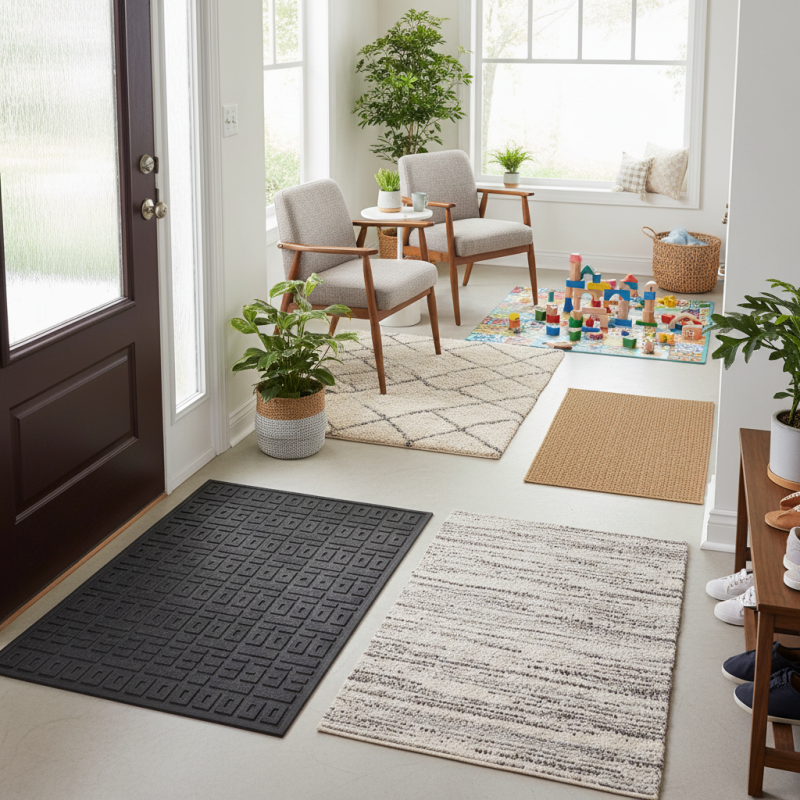
Choosing the right floor mats is essential for comfort and aesthetics. There are several types of mats available for homes, each serving unique purposes. For entryways, durable mats trap dirt and moisture. They protect your floors from damage and keep the interior clean.
Bathroom mats add softness and safety. They often come with quick-drying materials to prevent slips. Consider a mat with a rubber backing for better grip.
Kitchen mats can provide cushioning while you cook. They reduce fatigue from standing for long periods.
Rug pads can enhance the lifespan of your area rugs. They prevent slipping and add extra padding. However, not every mat fits all areas. A mat may look beautiful but still clash with your décor. Reflecting on functionality and style is essential. Take time to consider your space before purchasing.
Assessing Your Home's Foot Traffic and Usage Areas for Floor Mats
When choosing floor mats, understanding foot traffic is crucial. High-traffic areas like entryways and hallways need mats that are durable. A thick mat can withstand constant use. Look for options with non-slip backing to prevent accidents. These mats can trap dirt and moisture, keeping your floors clean.
In contrast, low-traffic areas may allow for more decorative choices. Consider softer materials for living rooms or bedrooms. A plush mat can add warmth and comfort. However, these mats may not hold up well in busy spaces. Reflect on your daily routines. Do kids or pets often run through the house? This can help prioritize where to place sturdy mats.
Some might overlook the size of the mat. A mat too small may not catch enough dirt. Conversely, an oversized mat can overwhelm a space. Finding balance is key. Think about the overall aesthetic of your home, too. A mat should complement your flooring, not clash with it. Making thoughtful choices will significantly enhance your living environment.
How to Choose the Right Floor Mats for Your Home?
| Usage Area | Foot Traffic Level | Recommended Mat Type | Material | Maintenance Level |
| Entryway | High | Heavy-Duty Mats | Rubber | Low |
| Living Room | Moderate | Decorative Rugs | Textile | Medium |
| Kitchen | High | Anti-Fatigue Mats | Foam | Medium |
| Bathroom | Low | Water-Resistant Mats | Microfiber | Low |
| Office | Moderate | Chair Mats | Polycarbonate | Low |
Choosing the Right Material for Your Floor Mats: Pros and Cons
When selecting floor mats, the material plays a crucial role. Several options are available, each with unique advantages and drawbacks. For instance, rubber mats are known for their durability and slip resistance. According to a study by the Floor Covering Institute, 70% of consumers prefer rubber for high-traffic areas due to its long lifespan. However, they can be difficult to clean and might emit odors.
Carpet mats offer comfort and warmth. They absorb sound well, which is appealing in busy households. Research from the Home Textiles Association suggests that 60% of households with pets prefer carpet mats for their soft texture. On the downside, these mats can trap dust and allergens, requiring regular cleaning.
Vinyl mats provide easy maintenance and water resistance, making them popular in kitchens and bathrooms. A report from the National Floor Safety Institute indicates that vinyl mats reduce slip hazards by 30%. However, they often lack the aesthetic appeal of other materials. Each option has its pros and cons, and choices can be daunting. Consider your household's needs and daily activities when making a decision.
Design and Aesthetic Considerations for Floor Mats in Home Decor
When selecting floor mats for your home, design and aesthetic considerations are paramount. Floor mats can effectively enhance your decor and set the tone of a room. According to the “Home Design Trends 2023” report, over 70% of homeowners believe that rugs and mats significantly influence the overall style of a space. This statistic highlights the importance of thoughtful selection.
Choose colors that harmonize with your walls and furniture. Bold colors can create focal points, while neutral shades often complement various styles. Textures also play a crucial role. A plush mat can make a room feel inviting, while a sleek surface adds a modern touch. Consider patterns; geometric designs can energize a space, while floral ones may evoke a sense of calm. Remember, the right mat can elevate a simple room to a sophisticated environment.
Tips: Measure your space first. This helps avoid awkward placements. Think about functionality as well; some mats are designed for high-traffic areas and are easier to clean. Lastly, don’t overlook the emotional impact. A mat can evoke memories or feelings, shaping your home’s ambiance. Trust your instincts alongside data for a sophisticated choice.
Maintaining and Cleaning Your Floor Mats for Longevity and Hygiene
Keeping your floor mats clean is vital for hygiene. Many households overlook this task, believing that mats simply stay clean through regular use. However, research from the American Cleaning Institute shows that about 80% of dirt and dust in homes comes from shoes. This dirt can accumulate quickly. Regular cleaning is essential to reduce allergens and bacteria.
To maintain floor mats effectively, aim to vacuum them at least once a week. This helps prevent dirt build-up. For deeper cleaning, wash them according to the material guidelines. Some mats can be machine-washed, while others require spot cleaning. A study published in the Journal of Environmental Health noted that mats with heavy foot traffic can harbor up to 4,000 times more bacteria than a toilet seat.
It’s important to replace mats periodically. Worn-out mats are less effective in trapping dirt and can become a breeding ground for germs. If you notice fading or fraying, consider it a signal. Don't wait until a mat looks shabby to clean or replace it. Regular care not only prolongs their life but also keeps your home healthier.
How to Choose the Right Floor Mats for Your Home