How to Choose the Perfect Vintage Coffee Table for Your Home?
Finding the ideal vintage coffee table can transform your living space. A well-chosen piece tells a story and adds character. Vintage coffee tables come in various styles, materials, and eras. Each option has its unique charm.
When selecting a vintage coffee table, consider your overall design. It must complement your other furniture. Think about size, shape, and color. A table that feels too large might overpower the room. On the other hand, a tiny table may disappear in the space.
Quality matters when choosing a vintage coffee table. Look for solid construction and durable materials. Signs of wear can add character, but excessive damage may be a red flag. Take your time to reflect on your choices. Make a decision that feels right for your home. Ultimately, each vintage coffee table holds the potential to be a perfect fit.
Understanding Vintage Coffee Table Styles and Eras
When considering vintage coffee tables, understanding styles and eras is essential. Each decade carries unique characteristics that define these pieces. For example, Mid-Century Modern tables from the 1950s and 1960s often feature clean lines and organic shapes. They embody simplicity and practicality. According to a 2022 survey by the Home Furnishings Association, 40% of homeowners prefer Mid-Century designs for their timeless appeal.
Another popular era is the Art Deco movement of the 1920s. These tables often showcase luxurious materials and geometric patterns. An Art Deco table can become a focal point in your living room. Data from the American Society of Interior Designers indicates that over 30% of interior designers incorporate Art Deco elements in their projects, highlighting its enduring popularity.
Consider the quality of materials used in vintage tables. Solid woods, ornate metals, and glass were common in earlier designs. However, many pieces may show signs of wear and tear. This could affect their value and versatility in your home. Always assess the construction and condition before purchasing. Look for imperfections that tell a story. Each scratch or mark could reflect history, adding character to your space.
Assessing Size and Proportions for Your Living Space
When selecting a vintage coffee table, size and proportions are critical. A table that is too large can overpower a room, making it feel cramped. Conversely, a table that is too small may appear insignificant and lost within the space.
Consider measuring the area where you plan to place the table. Aim for a coffee table that allows for at least 18 inches of space between it and surrounding seating. This will ensure comfort and mobility.
Beyond dimensions, think about the proportions in relation to your furniture. A tall table might look awkward beside low sofas or chairs. Similarly, a wide table can disrupt the flow of the room. Visualize how the coffee table interacts with your existing decor. Take into account other elements like rugs and lighting. Often, these features can help balance the proportions of the space.
Incorporating vintage pieces can be a challenge. Imperfections are often part of their charm. Some tables may have uneven legs or minor scratches. These details can add character but should be assessed for stability and practicality.
Reflect on how the age and style of the piece will blend with your lifestyle and aesthetics. Finding the right vintage coffee table is about creating harmony in your living space.
Evaluating Material and Craftsmanship Quality
When selecting a vintage coffee table, evaluating material and craftsmanship is crucial. High-quality wood, such as teak or walnut, often signifies durability. Look for signs of wear, but don’t shy away from pieces with character. Small scratches and dents can enhance the table’s story. A well-crafted table may have dovetail joints or solid wood construction, indicating expert craftsmanship.
Metal tables can also be striking, featuring unique patinas. Rust or discoloration can be charming, but check for stability. Apply a gentle touch to see if any parts wobble. Glass surfaces might reveal hidden imperfections, like chips or scratches. These can affect the table's overall aesthetic.
Pay attention to the finish, too. An original finish may show age, but it often offers authenticity. If a table has been refinished, ask about the techniques used. An amateur job may diminish value. Consider how each detail contributes to the story of the piece. It's about finding balance between history and your home’s decor.
Identifying Functionality: Aesthetic vs. Practical Use
When selecting a vintage coffee table, it's crucial to balance aesthetics and functionality. A beautiful table can transform your living room but must also serve its purpose. According to a report by the Home Furnishings Association, 75% of consumers believe functionality is a top priority when choosing furniture. A vintage coffee table should offer enough surface space for books, drinks, and other items, while also fitting harmoniously with your decor.
Assessing the practical uses of a coffee table can often reveal more than just its looks. For instance, tables with additional storage can help keep your space clutter-free. The Furniture Today research suggests that storage capabilities are sought after by 55% of buyers. However, a striking design should not be overlooked. The right vintage piece can be a conversation starter and enhance your home's character. It's vital to reflect on whether a table's beauty outweighs its utility. Sometimes, you might find an exquisite table that lacks functionality. This could lead to frustration in daily use.
Ultimately, choosing a coffee table requires careful consideration. The goal is to find a piece that complements your style while remaining practical. Balancing these aspects will help you avoid potential regrets later. Think deeply about how you use your space before making your choice.
Choosing the Right Vintage Coffee Table: Functionality vs. Aesthetic
Budgeting for Your Vintage Coffee Table Purchase
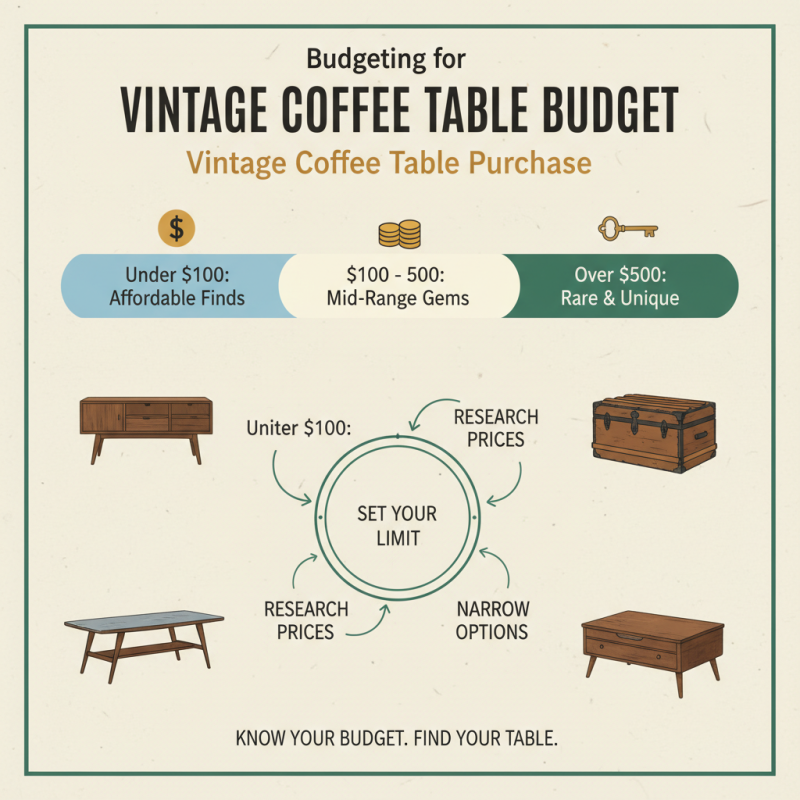
When budgeting for a vintage coffee table, start by defining your budget range. Consider how much you can realistically spend. Vintage tables can vary widely in price. Some may cost under $100, while rare finds can exceed $1,000. Knowing your limits helps in narrowing down options.
Research local thrift shops, auctions, and online marketplaces. Prices often fluctuate based on demand and condition. Sometimes, tables that need a little TLC can be significantly cheaper. These can be perfect projects for those willing to invest time. However, don’t overlook shipping costs or restoration expenses.
Before making a purchase, evaluate the table’s condition. Scratches and dents may indicate wear and tear, impacting long-term value. Set aside funds for future repairs. Remember, vintage pieces can have hidden costs. Be prepared to compromise between aesthetics and budget. Understanding the balance is key to making a wise investment.