
Skip to content

How to Choose Decorative Boards for Your Project?

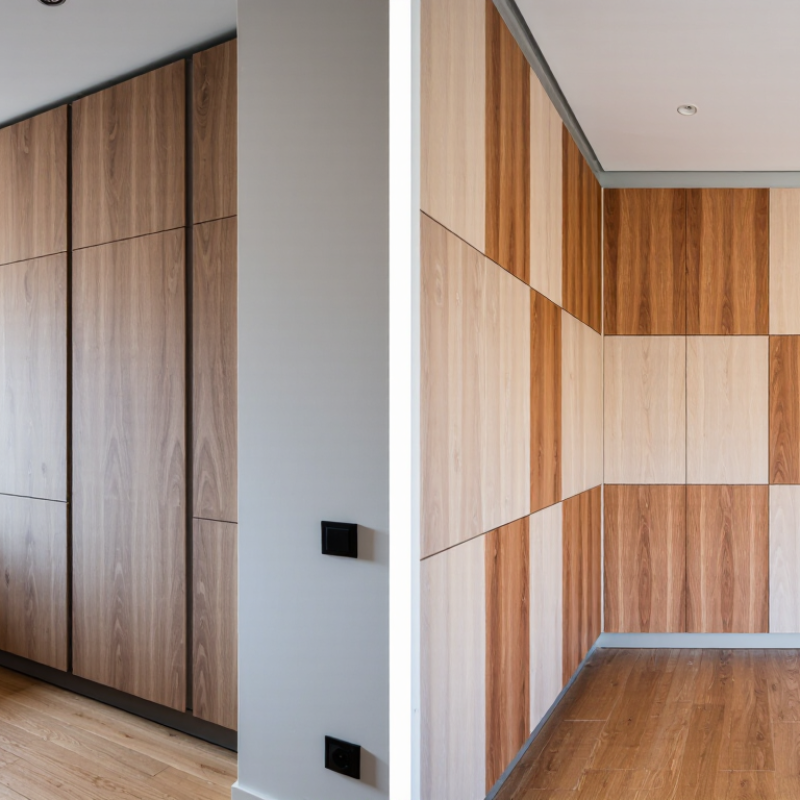
Decorative Boards can define a room’s color, texture, and everyday durability, but the best choice depends on where they will be used. For a kitchen cabinet, frequent wiping, steam, and edge impacts matter more than a dramatic showroom finish. A bedroom feature wall may need less abrasion resistance, yet grain, sheen, and panel scale become highly visible. Begin with the project’s exposure, cleaning routine, and installation method. Then compare the core material, surface layer, thickness, and edge treatment, not color alone. A small sample can look calm under store lights and appear much warmer beside a window. That difference is real.

Look for clear product specifications covering recommended uses, care, and any limits around moisture or heat. Confirm that the board works with the intended fixings and support spacing. Even a beautiful panel can bow or show uneven joints if installed poorly. Ask the supplier about batch variation and matching edging, since replacement pieces may not align perfectly later. If indoor air quality matters, review the manufacturer’s emissions information and follow relevant product guidance. A product photo is not enough, though it is easy to treat one as proof. There is no perfect board. Cost, appearance, durability, and maintenance often pull in different directions. Compare samples in the actual room, against the floor and nearby finishes, before ordering full quantities. That extra check may feel fussy. It can prevent expensive regret.
How to Choose Decorative Boards for Your Project?

What Decorative Boards Are and Where They Are Used

How to Choose Decorative Boards for Your Project?
What Decorative Boards Are and Where They Are Used

Decorative boards are sheet materials with a finished surface, often made from MDF, particleboard, plywood, or similar wood-based panels. Their surfaces may carry a printed pattern, veneer, or a durable laminate. The core provides shape and support; the surface sets the visible style and affects cleaning and wear. The term “decorative board” covers many constructions, so check the product specification rather than relying on appearance alone.

Scale matters. The FAO’s Global Forest Products Facts and Figures 2023 reports that global wood-based panel production reached about 399 million cubic metres in 2023. That figure includes panels for many uses, not just decorative finishes, but it shows how widely these materials are manufactured. Decorative boards commonly appear in kitchen cabinets, wardrobes, office furniture, wall linings, shop displays, and interior doors. A smooth laminate can suit a busy cupboard; a textured veneer may feel more natural on a feature wall.

Match the board to its setting. For a bathroom vanity or near a sink, check moisture-resistance claims and protect cut edges, where water can enter. For shelves, consider the span and expected load, not only the board’s thickness. Details matter. A sample can look convincing under showroom lights, then seem quite different beside a cool window. Viewing a larger sample in the actual room helps, though it cannot replace checking technical data for thickness, surface care, and intended use.

How to Define Your Project’s Functional Requirements

How to Choose Decorative Boards for Your Project?
How to Define Your Project’s Functional Requirements

Start by describing what the board must do, not just how it should look. A bedroom wardrobe has different demands from a kitchen cabinet or a shop counter. Note whether the surface will face frequent contact, splashes, heat, or heavy objects. A board beside a sink needs better moisture resistance than one used on a dry display wall. Even so, no decorative board should be treated as waterproof unless its specifications clearly support that use.

Measure the space and identify how each panel will be supported. Long shelves may sag under books or dishes, while narrow cabinet doors need stable, well-finished edges. Check the board’s thickness, weight, surface durability, and recommended fixing method against the design. That matters. Ask how the surface handles routine cleaning, and whether it can tolerate the cleaners you actually use. Small details count: a rough cut edge can absorb moisture or spoil a neat finish.

Think about installation and upkeep, too. Will the panels need trimming on site? Are matching edge treatments available? These questions can affect both cost and appearance. I would leave some margin for real-world wear, even if the room seems gentle. Plans change, and a “low-use” surface can become a daily landing spot. It is easy to over-specify durability, though; match the board to likely conditions, then confirm the manufacturer’s technical data before ordering.

How to Choose Decorative Boards for Your Project? - How to Define Your Project’s Functional Requirements

Board type Typical construction Best suited to Moisture considerations Finish and edge requirements Functional requirement to check
Standard MDF Fine wood fibres bonded into a smooth, uniform panel. Painted cabinet fronts, wall panels, shelving, and interior decorative details. Generally intended for dry interior use; unsealed edges can absorb moisture and swell. Smooth face takes paint well after suitable preparation. Cut edges usually need sealing and finishing. Confirm the panel can carry the expected load and that its weight is suitable for the installation.
Moisture-resistant MDF MDF made with moisture-resistant properties; specifications vary by product and application. Interior joinery in areas with occasional humidity, such as some kitchens and bathrooms. More suitable than standard MDF for humid conditions, but it is not waterproof and should not be left exposed to standing water. Seal cut edges and finish all exposed surfaces in line with the product instructions. Check the stated moisture-use classification and whether the location requires a waterproof material instead.
Plywood Layers of wood veneer bonded with adjacent grain directions typically arranged at right angles. Cabinet carcasses, furniture, shelving, and projects needing a strong panel for its weight. Moisture performance depends on the panel grade, adhesive, and exposure; not all plywood is suitable for wet conditions. Can be painted, clear-finished, or faced. Visible veneer edges may be left exposed or covered with edge banding. Check veneer grade, panel thickness, bonding classification, and support spacing for the intended use.
Particleboard Wood particles bonded with resin and pressed into a panel. Cost-conscious furniture, cabinet components, and panels that will receive a decorative surface. Standard grades are generally for dry interior use; moisture can cause swelling, especially at exposed edges. Often used with a laminate, veneer, or other surface layer. Cover exposed edges to protect the core and improve appearance. Check screw-holding needs, panel support, and the expected load before using it for shelves or fittings.
Melamine-faced particleboard Particleboard with a factory-applied decorative resin-impregnated paper surface. Wardrobes, cabinet interiors, office furniture, and shelving in dry interior spaces. The surface is easy to wipe, but exposed joints and edges can allow moisture to reach the particleboard core. Available in coordinated colors and patterns; cut edges usually require matching edge banding. Assess scratch and heat exposure, edge protection, and whether the design needs a different surface or core.
High-pressure-laminate-faced panel A panel substrate, such as particleboard or MDF, faced with high-pressure laminate (HPL). Frequently used interior surfaces that need a durable decorative finish, including counters, worktops, and furniture. The laminate face resists everyday surface wear, but water can still damage an unsuitable substrate through seams or edges. Specify the laminate finish and substrate separately. Seal joints and finish edges for the exposure and appearance required. Check impact, heat, cleaning, and moisture requirements, along with the substrate’s suitability for the location.

Selection note: Actual performance depends on the panel grade, thickness, surface treatment, installation, and exposure. Check the product technical data and local requirements before specifying a board.

How to Compare Board Materials and Core Types

When comparing decorative boards, separate the visible finish from the core. A smooth melamine face can hide very different structures underneath. MDF has fine fibers, so it machines cleanly and takes paint evenly. It is often heavy, and standard grades can swell if water reaches an unsealed edge. Particleboard is usually more economical and works well for shelves with adequate support. Its edges may hold screws less securely, especially after repeated assembly. That detail is easy to miss.

Plywood uses layered veneers, giving it useful strength and screw retention for many cabinets. But veneer quality and layer gaps vary, so inspect the edge rather than trusting the label. Core choice depends on room, load, and joinery. For a bathroom vanity, verify the board’s moisture rating and seal cut edges; “water-resistant” does not mean waterproof. For a long bookcase shelf, thickness and support spacing may matter more than a premium-looking surface. Compare sample offcuts, drill a pilot hole, and check how cleanly the edge finishes. A small test helps. One sample cannot predict every batch, and color alone says little about screw-holding or durability.

How to Choose Decorative Boards for Your Project?

Compare typical core-material density ranges (kg/m³). Density is one factor in board selection; actual values vary by product and construction.

MDF and particleboard provide uniform panel cores, while plywood and OSB are made from layered wood elements. Check product specifications for weight, strength, moisture performance, and suitability for your application.

How to Choose a Surface Finish, Color, and Texture

Choosing a decorative board finish starts with how the surface will be used. A kitchen panel near a sink needs a finish that resists moisture and frequent wiping; a bedroom feature wall can prioritize appearance. Matte finishes soften reflections, while gloss makes colors look brighter but can reveal fingerprints and scratches. Texture matters, too. Deep grooves add shadow and tactile interest, yet collect dust more readily than a smooth or lightly embossed surface.

Color can shift dramatically between a showroom and your room. The 2023 U.S. Houzz Kitchen Trends Study reported that white remained the leading cabinet color at 40%, while wood tones accounted for 23%. Treat those figures as a market snapshot, not a rule for every project. Compare samples beside your flooring and under both daylight and warm evening lamps. Grain direction and surface sheen can also change how a color reads. I still find small samples misleading; larger mock-ups give a fairer impression.

Tips: Order a larger sample. View it vertically, in the actual room, at different times of day. Check the edge, too: an attractive face may not match its exposed core. Keep a note of the finish and color code before ordering.

How to Check Durability, Safety, and Installation Needs

Decorative boards can look similar on a showroom wall, yet perform very differently once installed. Check the board’s core, surface coating, and edge finish against the room’s conditions. A panel near a sink needs better moisture resistance than one in a dry hallway. Look for clear product data on wear, water exposure, and cleaning methods. Looks can mislead.

For safety, request current technical information, including indoor-air emission details and any fire-performance rating relevant to the project. Requirements vary by location and use, so confirm them with the project professional rather than assuming one rating suits every space. Inspect samples for chipped edges, strong odors, or uneven coatings. These signs do not prove a board is unsafe, but they are good reasons to ask questions.

Installation needs deserve equal attention. Confirm board thickness, weight, fixing method, and whether the wall or cabinetry can support the load. Ask if the panels need acclimation before fitting, and leave the expansion gaps specified by the manufacturer. Check that adhesives and fasteners are compatible with the board and substrate. I have seen plans become awkward when these details are left until installation day. Measure twice, especially around outlets and corners. A small sample may also hide how repeating patterns meet across a full wall, so review a larger layout before ordering.