
How to Choose Cigar Display Cases for Global Buyers?
Choosing cigar display cases for global buyers requires more than attractive glass and polished wood. The case must protect cigars from heat, light, unstable humidity, dust, and repeated handling. A beautiful case can still fail.
Michael Herklots, a respected cigar industry educator, says, “Protection comes before presentation.” This principle guides the selection process. Buyers should examine the case’s seal, interior lining, humidification compatibility, and resistance to temperature changes. Spanish cedar remains a practical choice because it supports aroma and moisture management. However, cedar quality varies, and not every supplier explains its origin clearly. That deserves closer attention.
Global purchasing adds another layer of responsibility. A display case may travel through dry warehouses, humid ports, and heated delivery vehicles. Its hinges should close firmly. Its glass should reduce harsh light. Its packaging should prevent corners from cracking during transit. Small details matter. Very much.
This guide compares cigar display cases by function, material, capacity, maintenance, and shipping reliability. It also considers retail counters, hospitality spaces, collectors’ rooms, and branded presentations. The best option is not always the largest or most expensive model. Sometimes, a compact case with a dependable seal performs better than an impressive cabinet with weak humidity control.
Buyers should also request test reports, material details, warranty terms, and clear product photographs. Ask difficult questions. Vague answers may reveal future problems. No case is perfect, and climate conditions differ widely. Careful evaluation remains the safest path toward a professional, durable, and responsible purchase.
Understanding Cigar Display Case Types and Their Main Uses
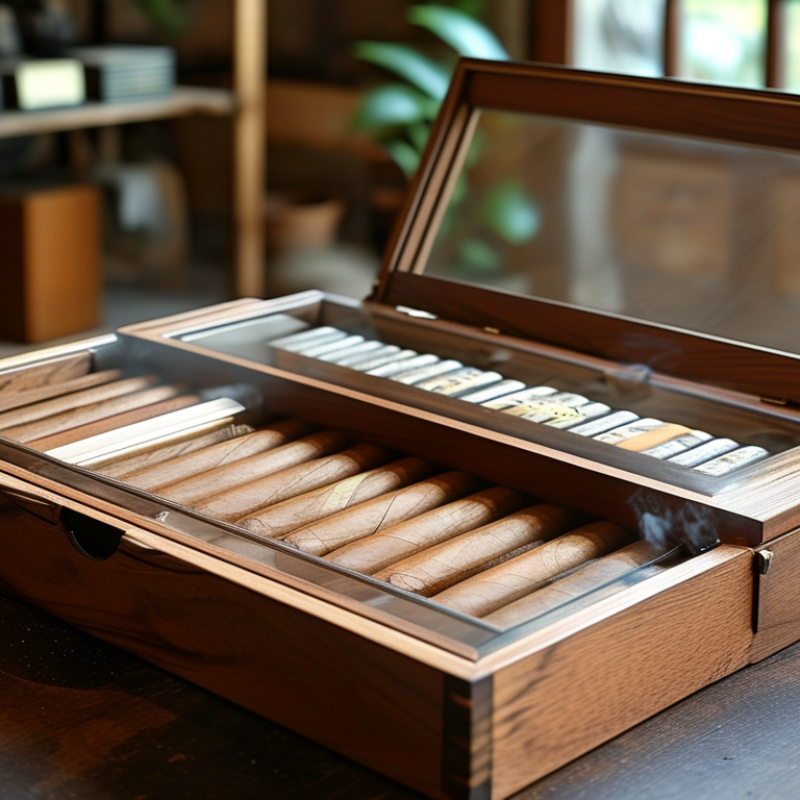
Choosing the right cigar display case starts with its type and intended use. A countertop glass case suits retail counters, reception areas, and private tasting rooms. It keeps selected items visible while protecting them from dust and frequent handling. Visibility matters. However, many glass cases provide little humidity control, so they may not suit long-term storage.
A desktop humidor combines presentation with moisture management. It works well for a small personal collection and allows closer monitoring of humidity. Larger cabinet humidors are better for hospitality spaces, collectors, or businesses managing varied inventory. They usually offer adjustable shelves, tighter seals, and more stable internal conditions. A freestanding cabinet also needs enough clearance for ventilation and door movement. Wall-mounted cases save floor space, but installation quality becomes important.
Temperature-controlled display cases offer greater consistency in demanding environments. They can help reduce rapid changes caused by heat, dry air, or frequent opening. Yet they require power, maintenance, and accurate monitoring. A mistake I have seen is choosing appearance before capacity, seal quality, or cleaning access. It looks impressive. Then daily use becomes inconvenient. Buyers should check glass strength, lock design, shelf flexibility, humidity equipment, and electrical requirements. Materials should be easy to clean and suitable for regulated tobacco-product storage under local rules. Conditions vary by region, so confirm age-access policies and applicable import or retail requirements before purchase.
Identifying Storage Needs for Different Cigar Collections
Choosing a cigar display case starts with the collection, not the furniture. A small daily rotation may need space for 10 to 25 cigars, while a growing collection needs adjustable trays and extra capacity. Measure the longest cigar before ordering. Some cases look generous but waste space around thick formats. That detail matters.
A display case for premium cigars should control humidity steadily, not simply look elegant. Choose a tight seal, a readable hygrometer, and a humidification system suited to the case volume. Spanish cedar interiors can support aroma and moisture stability, but the wood should be clean, dry, and properly prepared. Keep the case away from windows, heaters, and kitchens. Direct light can fade wrappers and raise internal temperature. In humid coastal regions, moisture control may be more important than adding water. In dry climates, the opposite may be true. Local conditions change the correct setup.
Collections also differ in how often they are opened. A frequently rotated selection benefits from accessible trays and clear labeling. A long-term collection needs stable conditions, limited handling, and stronger protection from temperature swings. Travel collections need impact resistance and a reliable seal, but they should not replace a controlled home case. Do not fill every compartment immediately. Leave room for airflow and future purchases. I have found that attractive storage can encourage overbuying, which makes monitoring harder. A smaller, well-maintained case is often more dependable than a large, neglected one. Review the hygrometer regularly, and accept that displays require maintenance, not just decoration.
How to Choose Cigar Display Cases for Global Buyers?
Identifying Storage Needs for Different Cigar Collections
Recommended case capacity includes approximately 20% spare room to support air circulation, handling, and future collection growth. Small collections can use compact humidified cases, while larger collections require modular storage with stable humidity control, adjustable shelving, and stronger security features. Premium long-term storage generally targets 65–70% relative humidity and approximately 18–21°C.
Comparing Materials, Humidity Control, and Protection Features
How to Choose Cigar Display Cases for Global Buyers?
Material selection affects appearance, stability, maintenance, and long-term storage performance. Solid wood offers warmth and natural insulation, but it may expand in humid climates. Acrylic provides clear visibility and lower shipping weight. Glass looks refined, yet it requires stronger packaging and careful handling. Metal frames improve structural protection, although poor finishing can create condensation near the interior.
Humidity control deserves close inspection. A reliable case should include an accurate hygrometer, a tight gasket, and an adjustable humidification system. Passive humidifiers are simple and quiet. Electronic systems offer closer control, but they need batteries, maintenance, and suitable voltage standards. Buyers should test calibration before filling the case. Do not trust a display reading blindly. Climate changes during international shipping can be severe. A stable interior matters more than decorative features.
Protection features should match the buyer’s environment. UV-resistant panels help protect color and surface quality near windows. A lock can prevent casual access, while reinforced hinges reduce alignment problems. Interior trays should prevent movement during transport. Soft padding is useful, but excessive padding can restrict airflow. In practical inspections, small seal gaps often cause bigger problems than weak-looking materials. A perfect case does not exist. Buyers may need to compromise between visibility, weight, humidity precision, and budget. Check replacement parts, operating instructions, and service support before placing a large order.
How to Choose Cigar Display Cases for Global Buyers? - Comparing Materials, Humidity Control, and Protection Features
| Case Type / Material | Typical Capacity | Humidity Control | Protection Features | Main Advantages | Potential Limitations | Recommended Use |
|---|---|---|---|---|---|---|
| Solid Wood with Cedar Lining | 25–150 cigars | Works well with passive humidifiers; typically maintained around 65–72% relative humidity when properly seasoned and sealed. | Thick walls, tight-fitting lid, optional lock, and impact-resistant hinges. | Natural appearance, stable internal environment, and good moisture-buffering ability. | Heavier than acrylic; wood may expand or contract if exposed to rapid humidity changes. | Premium home display, retail counters, and long-term cigar storage. |
| Wood Veneer over Engineered Board | 40–200 cigars | Suitable for passive humidity packs or a small water-based humidifier; sealing quality is important. | Reinforced panels, glass viewing window, magnetic or mechanical closure, and optional lock. | Consistent dimensions, lower cost than solid wood, and broad design flexibility. | Engineered panels can swell if water leaks or condensation is not controlled. | Commercial displays and mid-range export products. |
| Acrylic or Polycarbonate | 10–100 cigars | Requires a sealed design and a separate humidity source; polycarbonate generally resists impact better than acrylic. | Lightweight transparent panels, shatter resistance, rounded edges, and optional lockable lid. | Excellent product visibility, low shipping weight, and easy cleaning. | Acrylic can scratch or crack under impact; transparent plastic provides limited thermal insulation. | Short-term retail presentation, promotional displays, and lightweight shipping requirements. |
| Glass and Wood Combination | 50–300 cigars | Can support passive or electronic humidification if door seals and cable openings are properly fitted. | Tempered glass, framed doors, adjustable shelves, door gaskets, and optional cabinet lock. | Strong visual presentation and convenient access for inventory management. | Glass increases weight and breakage risk during international transport; frequent door opening can affect humidity. | Retail stores, hospitality venues, and large product showcases. |
| Metal Cabinet with Wood Interior | 100–1,000+ cigars | Best paired with an electronic humidifier, circulation fan, and digital hygrometer. | Rigid frame, lockable door, gasket seal, fire-resistant construction options, and adjustable shelving. | High structural strength, scalable capacity, and strong resistance to daily commercial use. | Higher purchase and shipping weight; metal surfaces may develop condensation if temperature changes quickly. | Professional retailers, lounges, restaurants, and high-capacity storage. |
| Travel Case with Protective Shell | 5–30 cigars | Usually uses humidity packs; airtight seals help maintain a stable short-term environment. | Water-resistant shell, foam or molded interior, zipper or latch closure, and impact protection. | Portable, compact, and effective against vibration, dust, and moderate moisture exposure. | Limited capacity and less suitable for long-term aging or frequent display access. | Travel retail, personal use, sampling programs, and international shipments. |
Evaluating Capacity, Design, and Maintenance Requirements
For global buyers, cigar display cases should match actual inventory, not an ideal sales forecast. Measure the available space and count the sizes commonly stocked. A case holding 50 cigars may become crowded after adding trays and dividers. Leave room for airflow and inspection. Too much empty space can also make the display look unfinished.
Design affects both presentation and storage performance. Clear panels should provide a clean view without exposing cigars to direct sunlight. Stable shelves, smooth hinges, and secure locks support daily handling. Cedar or other suitable interior materials can help manage aroma and humidity, but material quality varies. I once saw an attractive case with untreated wood that absorbed moisture unevenly. It looked premium, yet storage conditions changed from one corner to another.
Maintenance requirements deserve equal attention. Choose a model with an accessible hygrometer, removable trays, and seals that can be checked without special tools. Test humidity readings with a calibration kit before loading inventory. Wipe glass with a soft cloth, inspect seals monthly, and refill the humidification system according to room conditions. Tropical warehouses may need more frequent checks than dry inland facilities. Small gaps matter.
Global buyers should also confirm voltage requirements for powered features, packaging strength, and local rules for storing regulated tobacco products. Shipping damage is easy to overlook. A careful buyer still needs to question the original specification.
Selecting Reliable Suppliers for Global Shipping and Compliance
For global buyers, a cigar display case supplier must offer more than attractive wood, glass, and lighting.
The World Bank’s Logistics Performance Index 2023 covered 139 economies and surveyed 4,090 trade professionals. Its findings emphasize customs, shipment reliability, tracking, and delivery speed.
Ask suppliers for export experience, documented lead times, and shipment tracking procedures. A supplier should also confirm the correct HS classification, product description, country of origin, and commercial invoice details before production.
Material compliance deserves equal attention. Request wood species information, coating specifications, glass safety details, and packaging records. If wooden pallets or crates are used, confirm ISPM 15 treatment documentation. For electrical lighting, request applicable voltage data and safety test reports.
The ISO Survey 2023 recorded more than 1.26 million ISO 9001 certificates worldwide. Certification is useful evidence, but it does not replace factory audits or sample inspections.
Do not trust photographs alone. I would request a pre-shipment video, carton dimensions, gross weight, and drop-test results. A well-made case can still arrive damaged.
That is the uncomfortable part.
Compare the supplier’s corrective-action process, not only the product price. The UNCTAD Review of Maritime Transport reports that maritime shipping carries over 80% of global merchandise trade by volume. Delays and port disruptions therefore require realistic buffer time.
Reliable suppliers explain risks clearly, protect fragile components, and provide compliance documents before payment and shipment.