How to Choose the Best Floor Waterfall Fountain for Your Space?
Selecting the right Floor Waterfall Fountain can transform any space, enhancing its aesthetic and ambiance. According to a recent industry report by the Home and Garden Association, the demand for indoor water features has surged by over 30% in the past two years. This growing interest reflects a shift towards creating peaceful environments in both residential and commercial settings.
Expert designer Mark D. Rivers emphasizes, "A well-chosen Floor Waterfall Fountain does more than simply beautify. It creates a serene atmosphere that fosters relaxation." His experience aligns with the data, showing that spaces with water features are perceived as more calming. However, choosing the wrong size or style can detract from the intended effect and may lead to frustration.
Incorporating a Floor Waterfall Fountain requires careful consideration of various factors. Not every fountain fits every space, and potential buyers must assess dimensions, materials, and maintenance needs. These details matter. Ultimately, understanding your space and the available options can avoid a common pitfall: purchasing based solely on aesthetics without accounting for functionality.
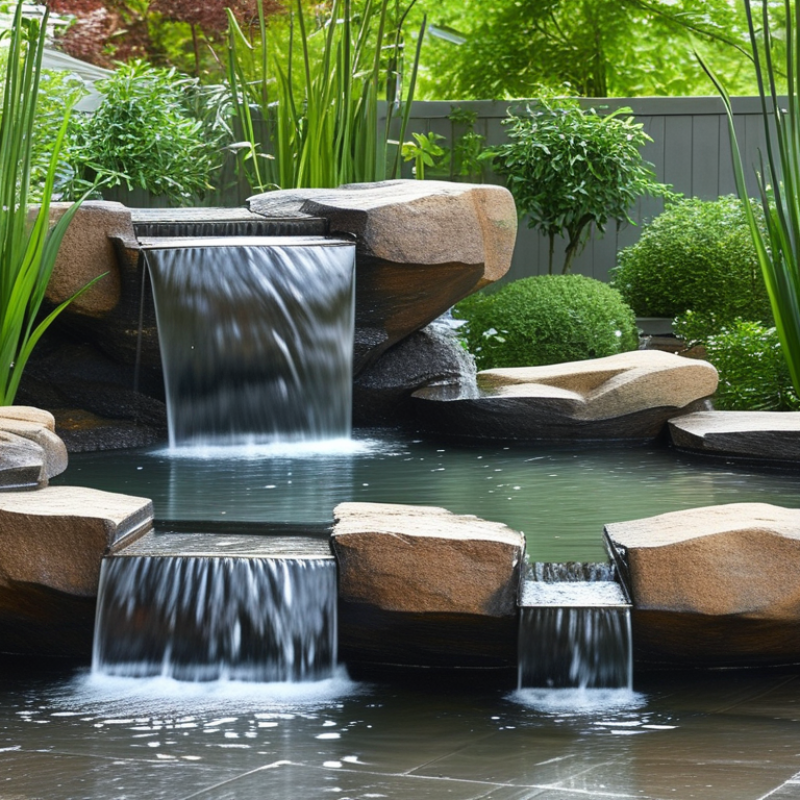
Understanding the Aesthetic Appeal of Floor Waterfall Fountains
Floor waterfall fountains add a unique charm to any space. Their trickling water creates a soothing atmosphere. The visual appeal is undeniable. People are drawn to the natural element they provide. This can transform dull areas into serene retreats.
Choosing the right fountain requires thought. Consider the size of your space. A large fountain can dominate a small area. Conversely, a petite fountain may be lost in a vast room. Pay attention to the materials as well. Stone fountains have a rustic feel, while glass options can appear modern.
Tips: Think about placement. A well-placed fountain invites positive energy and relaxation. Ensure there's access to power if needed. Maintenance is key, too. Regular cleaning keeps the fountain’s beauty intact. Water quality matters. Stagnant water can lead to algae growth.
Popularity of Floor Waterfall Fountains by Style
Assessing the Size and Scale for Your Specific Space
When choosing a floor waterfall fountain, assessing the size and scale is crucial. The fountain should harmonize with your space, not overwhelm it. A large fountain can dominate a small room, while a tiny one may disappear in a vast area. Consider the height and width carefully. Visualizing the fountain in your space can help determine its impact.
Tips: Measure your space accurately. Take screenshots or sketches to visualize different sizes. Remember, water features attract attention. They should serve as a focal point, enhancing your decor rather than clashing with it.
Also, consider ceiling height. A tall fountain may suit a spacious living room, while a short, compact fountain might work better in a cozy nook. Reflect on how each option complements other furniture. The colors, materials, and styles should align with your existing decor for a cohesive look. Think about the vibe you want, whether it's serene or bold.
Selecting Materials and Design Styles for Durability and Visual Appeal
When selecting materials for a floor waterfall fountain, consider durability and aesthetic appeal. Natural stone, ceramic, and fiberglass are popular choices. Natural stone offers a rustic feel, while ceramics add a touch of elegance. Fiberglass is lightweight and durable, making it easy to maintain. According to industry reports, nearly 58% of consumers prefer stone and ceramic options for their longevity.
Design styles also influence your fountain's impact on the space. Modern designs often feature sleek lines and minimalist elements. In contrast, traditional styles may include ornate details and classical motifs. A balance of style and material is crucial for achieving visual harmony. Research indicates that 72% of homeowners prioritize design before purchasing a fountain, highlighting importance in decision-making.
Think about the maintenance required for each material. Stone might need sealing to prevent weathering. Fiberglass may fade under direct sunlight but requires less upkeep overall. Being aware of these factors can lead to more informed choices. Remember, a fountain should not only enhance your space but also require manageable care. This reflection can help avoid future frustrations.
How to Choose the Best Floor Waterfall Fountain for Your Space? - Selecting Materials and Design Styles for Durability and Visual Appeal
| Material | Design Style | Durability Rating | Visual Appeal Rating | Maintenance Level |
| Stone | Modern | High | High | Low |
| Fiberglass | Contemporary | Medium | Medium | Medium |
| Metal | Industrial | High | Medium | High |
| Ceramic | Traditional | Medium | High | Medium |
| Glass | Artistic | Low | High | High |
Evaluating Water Flow and Sound for a Soothing Experience
Choosing the right floor waterfall fountain involves more than just aesthetics. The water flow and sound are vital to creating a soothing atmosphere in any space. According to recent studies, soundscapes can significantly influence our mood and stress levels. A gentle water flow with a soft trickling sound can promote relaxation, while a stronger flow may create an energizing effect.
When evaluating a fountain, consider the water's flow rate. Research suggests that a flow rate of 1 to 3 gallons per hour is ideal for soothing sounds. A fountain that produces a consistent ebb and flow mimics natural waterfalls, enhancing the calming effect. However, a fountain that is too loud may disturb the peace.
Tips: Pay attention to the materials used in the fountain. Naturally porous materials can absorb sound, leading to a more serene experience. Also, think about where you place the fountain. Positioning it near windows or open spaces can help distribute sound further. Striking a balance between beauty and serenity can take time. Listen to your space and adjust as needed for the most rewarding experience.
Considering Installation and Maintenance Requirements for Longevity
When selecting a floor waterfall fountain, installation and maintenance cannot be overlooked. According to industry reports, nearly 40% of fountain owners face ongoing maintenance issues due to poor installation practices. A thoughtful approach to installation is essential for the fountain's durability. It’s important to choose a level surface free of debris. This foundation helps prevent leaks and reduces wear on the equipment.
Regular maintenance contributes significantly to the longevity of your fountain. A study by the Fountain Association reveals that neglecting routine cleaning can decrease the fountain’s lifespan by up to 50%. This is largely due to the buildup of algae and mineral deposits. Incorporating a schedule for cleaning and water changes is crucial. Using water treatments can mitigate these issues, but dedicated time for maintenance is still necessary.
Consider the materials used in the fountain as well. For instance, natural stones may require sealing to resist weather elements. Alternatively, synthetic materials can be easier to maintain but might not provide the same aesthetic appeal. It’s a balance that requires careful thought. Each option comes with its own set of challenges that can affect your fountain's performance.