How to Choose the Perfect Vintage Coffee Table for Your Home?
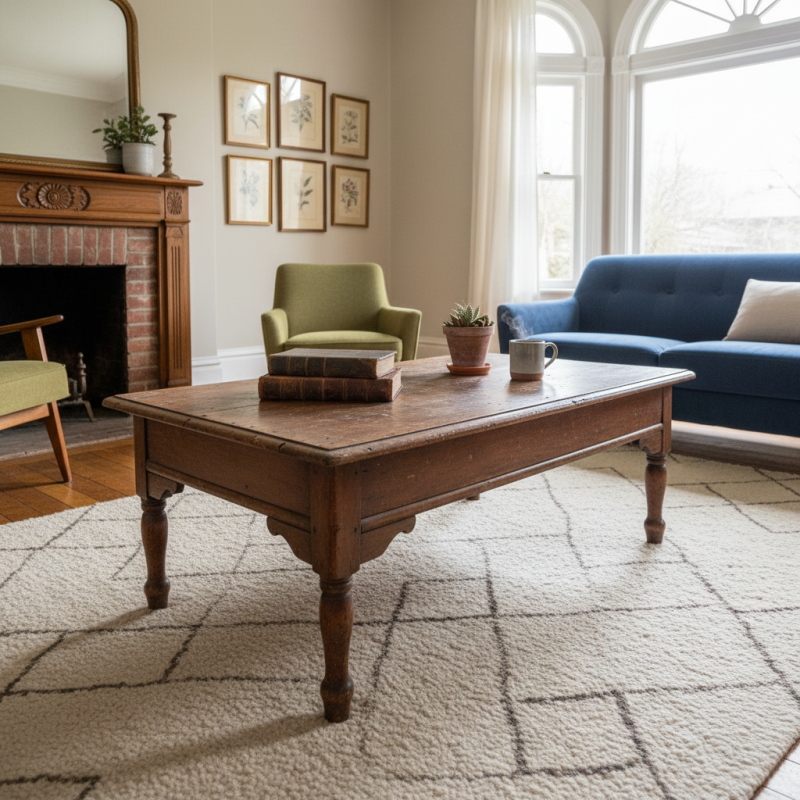
When it comes to home decor, a Vintage Coffee Table can make a significant statement. This piece not only serves a functional purpose but also adds a touch of history and character to your living space. Choosing the right vintage coffee table requires consideration of style, size, and material. Each table tells a story, and every piece can reflect your personality.
Consider the space available in your home. A large, ornate table may overwhelm a small room. On the other hand, a small table may get lost in an expansive area. Examine your current furniture. The right vintage coffee table should complement other items, harmonizing with your overall design theme.
The unique charm of vintage tables often comes with imperfections. These flaws can add character but may also require some touch-ups. Be prepared for minor repairs or refinishing. Ultimately, selecting a vintage coffee table is both a personal and thoughtful choice, one that brings warmth and nostalgia into your home.
Understanding the Characteristics of Vintage Coffee Tables
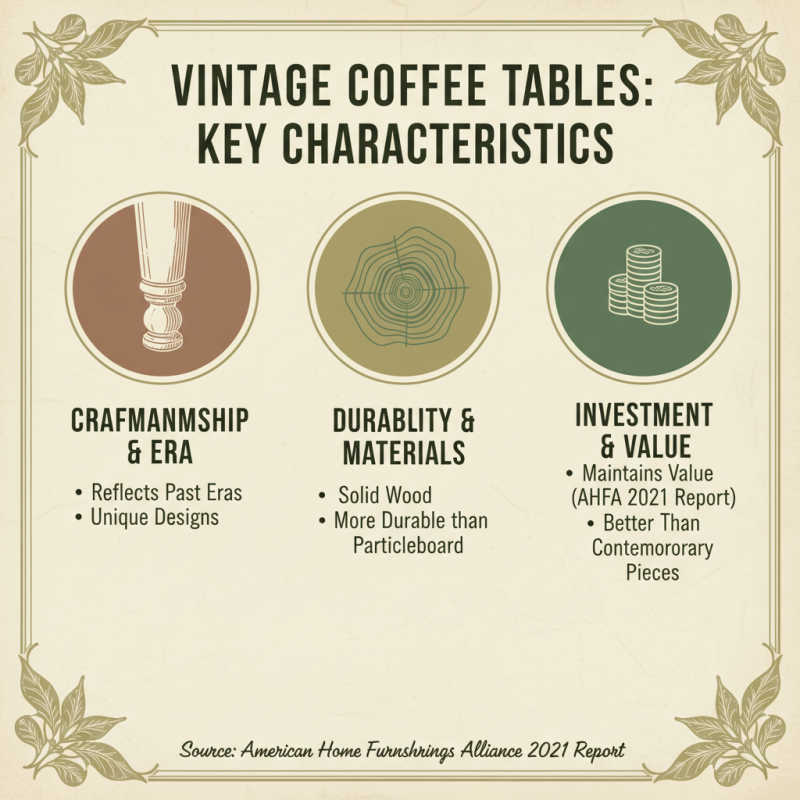
When selecting a vintage coffee table, understanding its characteristics is key. Vintage tables often reflect craftsmanship from past eras. Their construction may include solid wood, which is more durable than modern particleboard tables. According to a 2021 report by the American Home Furnishings Alliance, vintage furniture maintains its value better than contemporary pieces.
Look for unique styles. Mid-century modern designs feature clean lines and organic shapes. Traditional styles may boast intricate carvings or ornate details. Some tables show patina, a natural wear that gives them character. This wear signifies age but can also indicate weak points needing repair.
Tip: Consider the size and scale of your room. A large table in a small space can overwhelm a room. Conversely, a small table in a spacious living area may feel lost. Aim for balance.
Explore material choices. Vintage tables can be made of various woods, metals, or even glass. Each material brings distinct aesthetics and maintenance needs. Examine the table's surface for scratches or dents. Such imperfections tell a story, but they can also lead to issues if not addressed.
Tip: Never rush. Take time to explore different shops and online marketplaces. Finding the perfect piece often requires patience and an eye for detail. Quality vintage coffee tables should combine beauty with functionality.
Identifying Your Home's Aesthetic Style for Vintage Pieces
Choosing a vintage coffee table is more than a simple purchase. It requires understanding your home's aesthetic style. Start by evaluating your current decor. Look at colors, materials, and shapes. Is your home modern? Or does it have a rustic charm? Identifying this will guide your selection process.
Consider the various vintage styles. Mid-century pieces offer clean lines and vibrant colors. Art Deco brings glamour and bold geometric patterns. Farmhouse tables emphasize a cozy and inviting feel. Each has its own character. Mix and match, but balance is key. A mismatched table can look out of place if it clashes too much with other furniture.
Reflect on your personal taste too. A coffee table should resonate with you. Are you drawn to intricate details or minimalist designs? Also, think about functionality. Will it serve as a centerpiece or a simple surface? Finding the right balance between style and practicality can be challenging. It’s okay to feel unsure. This process requires patience and introspection. Your choices should ultimately make your space feel like home.
How to Choose the Perfect Vintage Coffee Table for Your Home?
| Aesthetic Style | Key Features | Ideal Materials | Color Palette |
|---|---|---|---|
| Mid-Century Modern | Clean lines, organic curves, functional | Teak, walnut, fiberglass | Earth tones, muted colors |
| Industrial | Raw, unfinished look, repurposed materials | Metal, reclaimed wood, concrete | Grays, blacks, browns |
| Shabby Chic | Feminine, vintage charm, distressed look | Painted wood, linen, lace | Pastels, whites, floral patterns |
| Rustic | Natural finishes, countryside feel | Reclaimed wood, iron | Natural wood tones, deep greens |
| Art Deco | Bold shapes, luxurious materials | Glass, brass, exotic woods | Rich colors, golds, silvers |
Evaluating Material Types and Durability in Vintage Coffee Tables
Choosing the right material for a vintage coffee table can be daunting. Different materials possess unique characteristics that influence both durability and aesthetics.
Solid wood, for instance, is timeless and sturdy. A well-crafted wooden table can withstand daily use, but can be vulnerable to scratches and moisture damage. Look for tables with a rich finish that showcases the wood's grain.
Metal tables offer a contemporary twist. They can be lighter and more resistant to wear and tear. However, some metals may rust if not properly maintained. Think about the environment where your table will reside.
Is your home humid or dry? This impacts longevity.
Glass-topped tables add elegance but require regular cleaning to avoid fingerprints. They are also more fragile than solid wood or metal options. When considering durability, think about your lifestyle. Do you have pets or children? Remember that aesthetics should not compromise functionality. Aesthetically pleasing tables can still be practical if chosen wisely. Each style has its pros and cons, so reflect on your needs before making a decision.
Measuring Space and Size Considerations for Your Coffee Table
When choosing a vintage coffee table, measuring your space is essential. Start by identifying the area where the table will sit. Ensure there’s enough room to walk around it comfortably. A common rule is to leave at least 18 inches of space between the table and seating. This distance allows for easy access and conversation.
Next, consider the size of the table itself. A well-proportioned table should complement your seating arrangement. For example, if you have a low sofa, choose a table that is about the same height or slightly lower. This balance helps create a harmonious look. Remember that an oversized table can overwhelm a small room while an undersized one may feel lost.
Think about the shape too. Round tables can soften sharp angles in a room. Rectangular tables are great for longer spaces. If you find it hard to visualize, use painter’s tape to outline the dimensions on the floor. This will help you understand the scale better. Sometimes, we underestimate how much space a table can occupy. Taking the time to measure can save you from future discontent.
Tips for Sourcing and Authenticating Vintage Coffee Tables
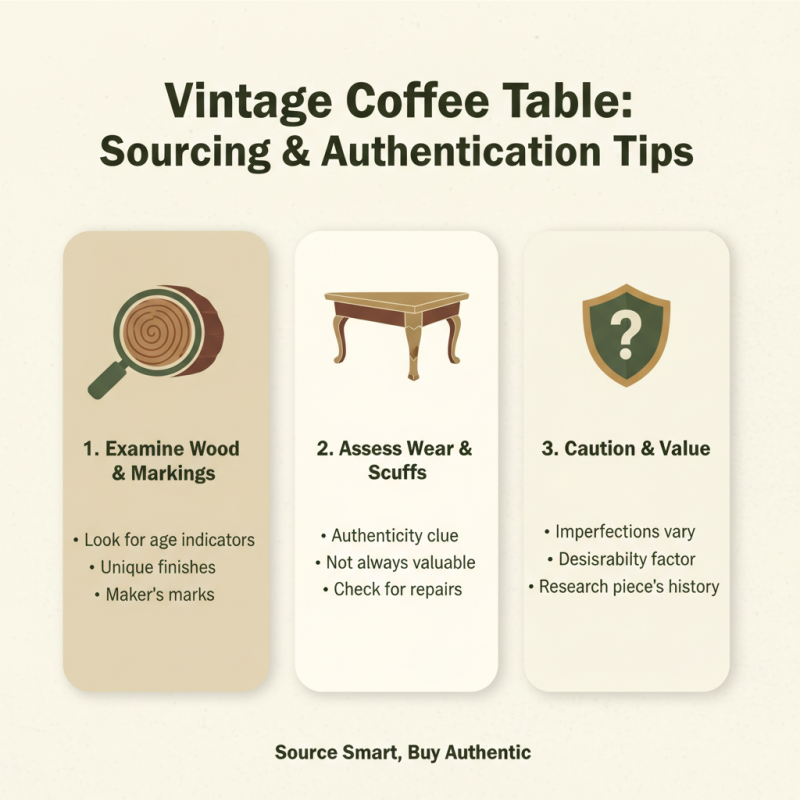
Finding the right vintage coffee table requires a keen eye and some expertise. Start by examining the wood. Look for markings and finishes that indicate age. Scuffs and wear can suggest authenticity, but be cautious. Not all worn pieces are valuable. Sometimes, imperfections might make a piece less desirable.
Check how the table is constructed. Authentic vintage tables often feature joinery techniques that reveal their age. Look for dove-tailed joints or handcrafted details. These signs show quality workmanship. You can often find family-owned shops where experienced staff can guide you. They can help you better understand the history behind each piece.
Lastly, recognize that provenance matters. Request documentation of past ownership if possible. This can enhance your table's value. Trust your instincts; sometimes, a piece just feels right. If unsure, seek advice from experts. They can help authenticate your find. Vintage shopping can be unpredictable, but finding that perfect table is rewarding.
Related Posts
-
Unmatched Craftsmanship in Best Outdoor Chaise Lounge Made in China for Global Comfort
-
What is the Ultimate Guide to Choosing Best Living Room Chairs
-
Ultimate Guide to Stunning Patio Dining Set Examples for Global Buyers
-
Explore Top Quality Living Room Chairs Manufactured by Leading Chinese Factories
-
How to Choose the Perfect Garden Table for Your Outdoor Space
-
Excel in Outdoor Living with China's Premier Table and Chair Solutions for Global Markets