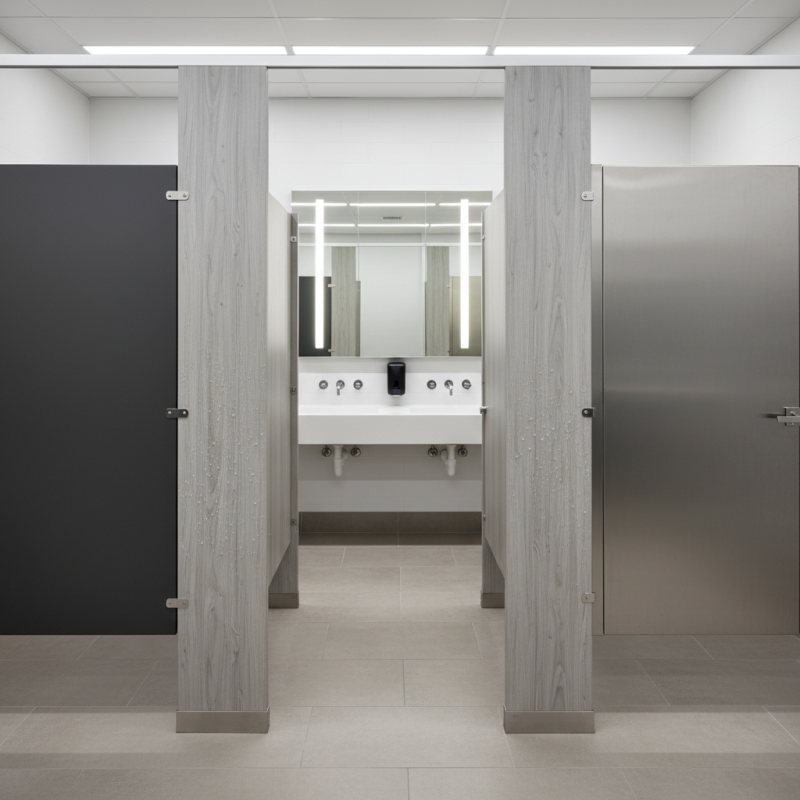
Best Materials for Restroom Stall Walls What to Choose?
When selecting the best materials for Restroom Stall Walls, various factors come into play. Restroom stall walls must balance functionality and aesthetics. Choosing the right materials impacts durability, maintenance, and user experience.
Different materials offer unique benefits for restroom stall walls. Plastic laminate is popular for its moisture resistance. Solid phenolic provides strength and easy cleaning. Metal can be durable, but may rust over time. Each option requires careful consideration based on location and usage.
Ultimately, there is no one-size-fits-all solution. Some materials may look appealing but lack durability. Others might be tough but clash with the restroom's design. Reflecting on user needs and facility requirements is crucial. This careful balance ensures restroom stall walls meet expectations.
Overview of Popular Materials for Restroom Stall Walls
Choosing the right materials for restroom stall walls is essential. Popular options include plastic, metal, and laminate. Each material has its pros and cons. Plastic is durable and water-resistant. It can withstand harsh cleaning products. However, it might not provide the same level of privacy as other options.
Metal stalls offer strength and a modern look. They are often used in high-traffic areas. Yet, they may dent or rust if not properly maintained. Laminate surfaces can be aesthetically pleasing and available in various colors. Still, they might not hold up well in wet environments.
Tips: Consider your restroom's foot traffic when selecting materials. High-use facilities benefit from sturdier materials. Aesthetic appeal is essential, but don't sacrifice durability. Think about maintenance costs. Choosing the right materials can save headaches later on. Always seek a balance between form and function.
Durability and Maintenance Considerations for Stall Wall Materials
When selecting materials for restroom stall walls, durability is a top priority. Materials like stainless steel and solid plastic are known for their strength. According to a report by the National Institute of Building Sciences, stainless steel can last over 30 years with proper care. This makes it an appealing choice for high-traffic restrooms. Solid plastic is another option, resistant to dents and scratches. Research indicates that solid plastic can withstand harsh cleaning products, which is critical for maintenance in public facilities.
Maintenance considerations play a vital role in the longevity of restroom stall materials. For instance, painted metal tends to chip and rust, requiring frequent touch-ups. A study from the Facility Maintenance Journal noted that 25% of facility managers reported higher maintenance costs with less durable materials. In contrast, materials that resist staining and allow for easy cleaning are more effective. Investing in robust materials pays off, even if the initial cost is higher. Cheaper options often lead to constant repairs and replacements, causing frustration and increased downtime. Finding the right balance between cost and longevity is essential for effective restroom design.
Cost Comparison of Various Restroom Stall Wall Options
When selecting materials for restroom stall walls, cost is a primary concern for many. Various options are available, each with unique pricing. For example, plastic laminate is popular due to its affordability and ease of maintenance. This option offers a clean look without breaking the bank. On the other hand, solid plastic walls are more durable but come at a higher cost. It's essential to weigh the benefits against the prices to find the best fit for your budget.
Metal partitions often present a middle ground. They are sturdy and resistant to damage, yet can rust if not treated properly. Pricing for metal options varies widely depending on the finish and thickness. It’s crucial to calculate the long-term costs, including maintenance, before making a decision.
**Tips:** Consider the location of the restroom. High traffic areas may require more durable materials, even if they cost more upfront. Also, remember to factor in installation costs. Proper installation can prevent issues down the road. Aim for quality over price alone. While it may seem tempting to cut costs, investing in good materials often pays off in the long run.
Cost Comparison of Various Restroom Stall Wall Materials
Aesthetic Choices: Enhancing Design with Stall Wall Materials
When selecting restroom stall wall materials, aesthetics play a crucial role. The visual appeal of materials can enhance overall design and user experience. According to a report by the Material Performance Association, around 78% of users consider restroom aesthetics important in their overall perception of cleanliness. This means that attractive materials can indirectly influence user behavior.
Popular choices include laminate and metal. Laminate offers a wide variety of colors and patterns, allowing for customization. It is also cost-effective, making it an attractive option for many facilities. However, laminates may wear out faster in high-traffic areas.
Metal, on the other hand, provides durability and a sleek look. It requires less maintenance but lacks the warmth of laminate finishes. Striking a balance between durability and design is essential.
Consider also the impact of color psychology. Light colors can make spaces feel larger, while dark colors may evoke a sense of luxury. Reports indicate that 60% of users prefer restrooms with light-colored walls. Yet, darker finishes can hide stains better. This potential trade-off should be thoughtfully contemplated.
Design choices matter. After all, a restroom is more than just a functional space; it is part of the overall atmosphere.
Environmental Impact: Sustainable Options for Restroom Stalls
Choosing sustainable materials for restroom stall walls is essential. The environmental impact of our choices is profound. According to a report by the Environmental Protection Agency (EPA), around 30% of landfill waste comes from construction. This highlights the urgent need for eco-friendly alternatives.
Recycled materials are a promising option. They help mitigate waste while reducing the carbon footprint. For example, using recycled plastic can save up to 70% of energy compared to virgin materials. Furthermore, bamboo is a fast-growing resource that requires less water and pesticides. It’s sturdy and can outlast conventional materials.
However, not all sustainable options are created equal. Some materials, while environmentally friendly, may lack durability. This can lead to higher long-term costs. It’s essential to balance sustainability with practicality. A holistic approach ensures restroom stalls are green without sacrificing quality. The challenge remains to find the perfect match between ecological responsibility and user experience.