Discover the Best Extruded Aluminum Profiles for Global Buyers?
In today's fast-paced construction and manufacturing sectors, "Extruded Aluminum Profiles" have become a vital component. Experts from Smithers Pira project a compound annual growth rate (CAGR) of 5.7% in the aluminum extrusion market through 2028. This figure underscores the rising global demand for versatile and lightweight materials that provide durability and cost-effectiveness.
Extruded aluminum profiles offer unmatched customization. They serve various applications, from architectural frameworks to automotive components. Many industry leaders highlight their recyclability, allowing a sustainable choice in a world focused on eco-friendly practices. Yet, the market faces challenges. As demand increases, manufacturers must ensure quality and consistency across diverse profiles, which can be a complex task.
Understanding industry trends and technological advancements is critical for global buyers. The aluminum extrusion industry is influenced by fluctuating raw material prices and geopolitical factors. Factors like these can impact the reliability of supply chains. Thus, thorough supplier evaluation becomes essential. Exploring the best options means navigating these intricacies effectively while staying informed about innovations in extrusion technology and production efficiency.
Understanding Extruded Aluminum Profiles: Definition and Applications
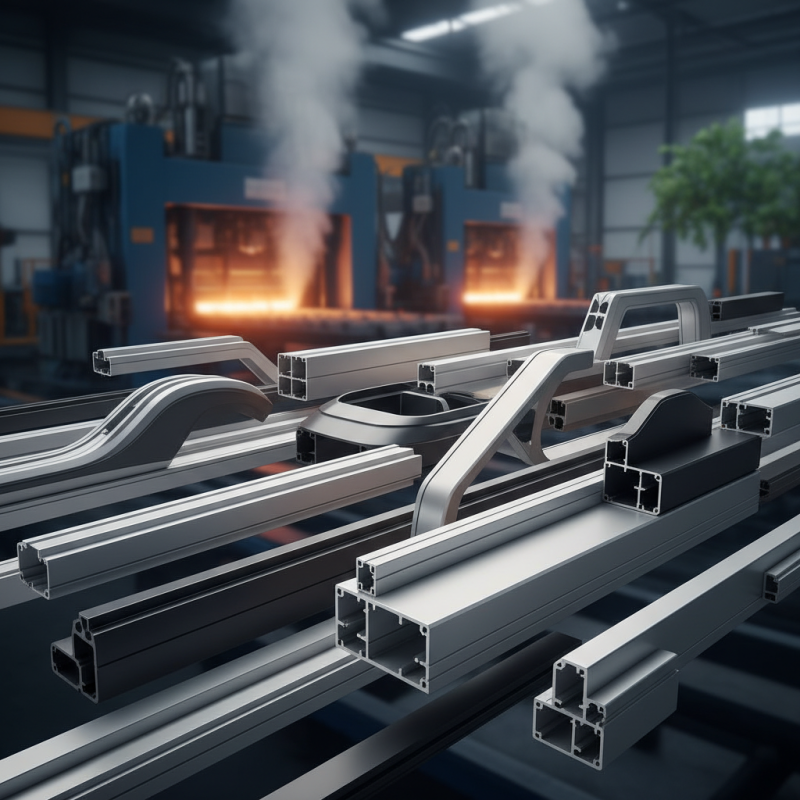
Extruded aluminum profiles are essential materials widely used in various industries. They are created by forcing aluminum through a die to form different shapes. This process allows for high precision and flexible design. Common applications include construction, automotive, and electronics. Their lightweight nature and durability make them popular choices for many projects.
Choosing the right profile is crucial. Different shapes provide different mechanical properties. For instance, hollow sections can offer improved strength-to-weight ratios. Not all profiles suit every application, so careful consideration is needed. Researching specifications and potential uses ensures better outcomes.
Tips: Consider the load requirements when selecting a profile. Sometimes, a simple adjustment in design can greatly enhance performance. Also, keep in mind the environmental impacts. Extruded aluminum can be recycled, which is beneficial for sustainable projects. Don't hesitate to consult with experts when in doubt. Their insights can guide you towards making informed decisions.
Key Advantages of Extruded Aluminum Profiles in Various Industries
Extruded aluminum profiles are gaining popularity across various industries. Their unique manufacturing process allows for a wide range of shapes and sizes. This versatility is a significant advantage for industries such as construction, transportation, and electronics. For example, customized profiles can seamlessly integrate into architectural designs or assist in the assembly of complex machinery.
The lightweight nature of extruded aluminum enhances efficiency. Products made from aluminum are easier to transport and install. This reduces labor costs and overall project timelines. Furthermore, aluminum is resistant to corrosion, ensuring longevity. This property is crucial for applications in marine or outdoor environments.
Despite these advantages, there are challenges in adopting extruded aluminum profiles. For instance, initial costs can be higher than other materials. Additionally, not every application may benefit from aluminum's attributes. Evaluating specific project needs is essential for making informed decisions. Understanding these factors can lead to better outcomes in selecting materials for any project.
Market Trends: Global Demand and Supply of Extruded Aluminum Profiles
As the global demand for extruded aluminum profiles continues to rise, monitoring market trends is essential. These profiles find use in various industries, from construction to transportation. The versatility of aluminum makes it a preferred choice for manufacturers looking for lightweight yet strong materials. However, fluctuations in supply can impact availability and pricing.
Tips: When sourcing extruded aluminum, consider factors like local availability, production capacity, and delivery times. This can help avoid supply chain disruptions.
The ongoing shift toward sustainability is shaping demand patterns. Buyers are increasingly favoring suppliers who prioritize eco-friendly practices. Thus, it’s crucial for importers to identify responsible producers. In turn, this can lead to better alignment with international regulations and buyer expectations.
Tips: Evaluate supplier certifications related to sustainability. This step can enhance credibility and foster trust among global buyers.
Awareness of regional market dynamics also matters. Different regions may have varying standards and preferences for extruded aluminum profiles. Staying informed allows for better alignment with customer preferences. However, this can be a challenging task, often requiring extensive research and local insights.
Assessing Quality: Key Standards and Certification for Aluminum Profiles
When selecting extruded aluminum profiles, quality is paramount. Key industry standards often dictate grade classifications. The Aluminum Association provides guidelines, ensuring materials meet specific performance criteria. Reports indicate that 70% of quality issues arise from subpar standards. This emphasizes the need for stringent certification processes.
Certification agencies, like ISO and ASTM, play a critical role. An independent study noted that certified aluminum profiles had a 30% lower failure rate. Additionally, adherence to standards ensures compatibility in various applications, from construction to automotive. Buyers must scrutinize certifications to avoid costly mistakes.
However, not all certifications guarantee quality. Some outdated standards may fail to reflect modern requirements. This highlights the necessity for buyers to seek updated information. Look for profiles that meet advanced standards, ensuring durability and performance. Understanding these nuances can make a significant difference in the procurement process.
Discover the Best Extruded Aluminum Profiles for Global Buyers
| Profile Type | Application | Standard Compliance | Certification Available | Material Quality |
| Structural Profiles | Construction | ASTM B221 | ISO 9001 | 6061, 6063 |
| Architectural Profiles | Doors & Windows | EN 573 | CE Mark | A6063 |
| Heat Sink Profiles | Electronics | ASTM B241 | UL Certification | 6061 |
| Custom Profiles | Varied Industries | Various | ISO 45001 | Quality Controlled |
Top Manufacturers and Suppliers of Extruded Aluminum Profiles Worldwide
When exploring the world of extruded aluminum profiles, it’s crucial to consider the top manufacturers and suppliers available globally. These companies offer a wide range of customization options. Common applications include architectural structures, automotive parts, and industrial machinery. Their expertise in creating specific profiles is invaluable.
Quality is a critical factor. A reliable supplier should provide extensive product data and sample options. This transparency boosts buyer confidence and ensures informed decisions. Engaging with experienced manufacturers can lead to unique designs that meet particular needs. Be mindful that not every supplier consistently delivers on quality promises.
When sourcing extruded aluminum profiles, buyers must assess both material and service quality. It helps to ask for customer testimonials. Comparing different suppliers can reveal insights into their reliability. Not all manufacturers will fit every project. It is necessary to evaluate and reflect on past experiences for better future choices.