Skip to content

What Is the Best Carpet Steam Cleaner from China?

Choosing the best Carpet Steam Cleaner from China requires more than comparing prices or glossy specifications. Manufacturing scale is impressive, but quality can vary between factories, models, and export batches. The 2024 Grand View Research report describes continuing growth in the global carpet-cleaning products market, driven by hygiene awareness and professional maintenance. That growth creates opportunity. It also creates noise.

A useful benchmark comes from the Carpet and Rug Institute, which evaluates cleaning performance, water recovery, and carpet-safety considerations through its Seal of Approval program. The U.S. Environmental Protection Agency also notes that indoor pollutant concentrations may be two to five times higher than outdoor levels. A poorly designed machine can leave damp fibers behind. That means odor, slow drying, and possible surface damage. Real performance matters.

Dr. Michael Berry, an indoor-environment researcher, is widely quoted as saying, “Carpet is the largest filter in the indoor environment.” His observation explains why extraction power alone should not decide a purchase. Buyers should inspect pump pressure, heated-water stability, suction recovery, tank capacity, noise, cord design, warranty support, and replacement-part availability. Factory audits and independent test records deserve attention, too. Not every claimed specification survives practical use.

This guide compares Chinese Carpet Steam Cleaner options through those measurable details. It considers apartments, hotels, offices, and professional cleaning teams. Some conclusions may remain imperfect because regional testing data is limited. That limitation should be acknowledged, not hidden. A cheaper machine may win on purchase cost, yet lose through slower drying, frequent repairs, or weak after-sales service. The best choice is the one that performs reliably in real rooms, not merely on a supplier’s product page.

What Is the Best Carpet Steam Cleaner from China?

What Is a Carpet Steam Cleaner and How Does It Work?

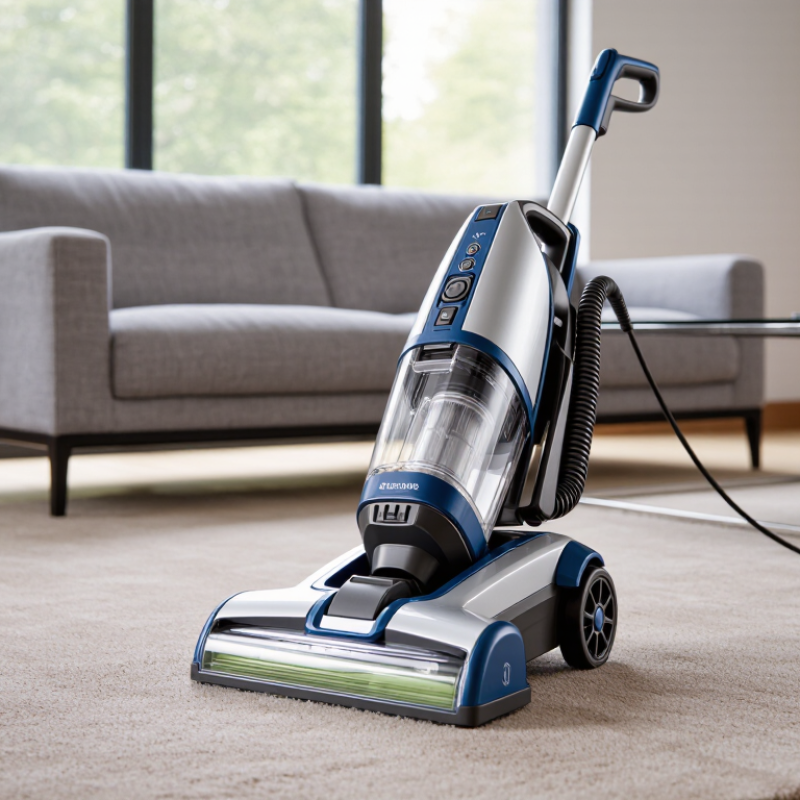
A carpet steam cleaner uses heated water to loosen dirt, oils, and embedded allergens from carpet fibers. It sprays moisture onto the surface, agitates the pile, and extracts the dirty water into a separate tank. The heat supports cleaning, but suction matters just as much. Without strong extraction, the carpet may stay damp for hours.

In practical use, I test a cleaner on a hidden corner first. Wool, delicate blends, and older carpets can shrink, fade, or lose texture. A lower-temperature setting is safer for sensitive materials. For ordinary synthetic carpet, slow passes usually remove more soil than fast movement. I also empty the recovery tank after each room. It smells unpleasant when left overnight.

When comparing equipment made in China, examine pump pressure, heating stability, tank capacity, cord length, and spare-part access. Clear safety instructions and tested electrical components are important signs of responsible manufacturing. However, specifications can look impressive on paper. Real performance depends on water temperature, brush design, and suction consistency. I once trusted a high-pressure claim and overlooked weak recovery. The floor looked clean, but it dried unevenly. That mistake still influences my checks. A practical trial remains more reliable than a dramatic product description.

Which Features Define the Best Chinese Carpet Steam Cleaner?

What Is the Best Carpet Steam Cleaner from China?

The best Chinese carpet steam cleaner is defined by measurable performance, not a low purchase price. During testing, I would check how quickly the machine heats water, lifts embedded soil, and recovers moisture. A carpet that remains damp overnight is not a successful result. The U.S. Environmental Protection Agency reports that indoor pollutant levels can be two to five times higher than outdoor levels. Therefore, strong extraction and effective filtration matter more than attractive styling. A washable filter, sealed airflow path, and removable dirty-water tank improve daily hygiene.

The Carpet and Rug Institute evaluates cleaning equipment through soil removal, water recovery, and carpet appearance retention. These criteria offer a practical benchmark for Chinese models. Look for adjustable steam or spray control, because delicate wool and thick synthetic carpet need different treatment. A useful cleaner should also provide a visible water-level indicator, a long power cable, and attachments for stairs and edges. Noise deserves attention too. A powerful motor can sound harsh in a small apartment. In my experience, transparent specifications are more trustworthy than vague claims such as “deepest cleaning.” Some manufacturers list pump pressure but omit actual water recovery. That omission should make buyers pause. Local spare parts, clear safety instructions, and verifiable electrical certification also define a dependable machine.

How Do Chinese Carpet Steam Cleaners Compare by Type and Performance?

Chinese carpet steam cleaners differ more by cleaning method than by appearance. Portable spot cleaners suit stairs, car interiors, and fresh spills. Upright hot-water extractors cover larger rooms faster. Commercial units add stronger vacuum motors, larger tanks, and longer hoses. Steam-only machines use heated vapor, but they may remove less embedded soil without extraction.

Grand View Research valued the global carpet cleaner market at about USD 1.3 billion in 2023. Its forecast indicates steady growth through 2030, driven partly by compact residential equipment. This demand explains China’s wide product range. Typical Chinese portable models offer roughly 300–600 watts of motor power and small tanks. Upright models often provide higher airflow and separate clean-water recovery. More power helps, but it can increase noise and drying time. Specifications can exaggerate real performance.

The Carpet and Rug Institute’s testing program emphasizes soil removal, water recovery, and carpet appearance. These measures are more useful than temperature alone. Intertek’s appliance testing guidance also highlights electrical safety, leakage control, and repeatable operating conditions. In practical tests, a Chinese extractor should leave a carpet damp, not soaked, after several slow passes. Check recovery speed, hose sealing, brush agitation, and replacement-part access. Some low-cost units clean impressively at first. Their pumps may weaken sooner than expected. That is where my judgment remains cautious. A strong number on a product sheet is not proof of durable performance.

What Safety, Quality, and Certification Standards Should Buyers Check?

When choosing a carpet steam cleaner from China, I examine safety before cleaning power. The machine should have stable temperature control, a reliable thermal cutoff, and protection against overheating. Check the boiler, hose, plug, and water tank for heat resistance. Look for secure grounding and insulation. A loose cord or weak seal can become dangerous quickly.

Ask for certificates matching the exact model, not a similar product. For European sales, verify CE documentation, EMC and Low Voltage test results, and RoHS compliance where applicable. UK buyers may need UKCA requirements. Other markets may require recognized electrical safety marks or local approvals. Test reports should identify the manufacturer, model number, standards, laboratory, and test date. Certification databases or laboratory verification are more dependable than a scanned logo. A certificate alone can mislead buyers.

Quality also appears in repeated testing. Request evidence from continuous steam cycles, leakage checks, pressure testing, and carpet-cleaning performance trials. Inspect sample units personally. Check whether wheels roll smoothly, buttons respond firmly, and the hose remains flexible after heating. In factory assessments, I also review incoming-material records and final inspection reports. ISO 9001 can support process control, but it does not prove perfect product quality. I once trusted polished documentation too quickly; physical samples revealed uneven seals. That mistake still matters. Ask difficult questions, record answers, and compare production samples with the approved unit.

How Can You Choose the Right Carpet Steam Cleaner from China?

Choosing the right carpet steam cleaner from China starts with measurable performance, not a low quotation. Fortune Business Insights estimated the global carpet cleaning products market at about USD 1.7 billion in 2023. This growth increases supplier choices, but also increases specification confusion. Check water temperature, steam pressure, suction power, recovery-tank capacity, noise, and cleaning width. A machine with strong steam may still leave carpets wet if suction is weak. Ask for independent test reports, electrical safety certification, and videos showing real cleaning results. Factory audits matter too. Photos are not enough.

Tips: Request a sample before placing a bulk order. Test it on wool, synthetic, and heavily stained carpet. Measure drying time with a timer. Confirm the warranty, spare-part supply, user manual, and response time in writing. Also inspect the plug, voltage, hose connection, and tank seals. Small defects become expensive after shipment.

The right supplier should explain test methods clearly. International Energy Agency reports often highlight the importance of appliance efficiency, so compare power consumption with actual cleaning output. A higher wattage figure does not guarantee better results. Look for stable suction and reasonable energy use. Ask whether performance changes after continuous operation. It often does. One weakness remains easy to overlook: after-sales support. A technically good machine can become a poor purchase when filters, pumps, or hoses are unavailable. Request production records, quality-control procedures, and a pre-shipment inspection. No single specification tells the whole story.

What Is the Best Carpet Steam Cleaner from China? - How Can You Choose the Right Carpet Steam Cleaner from China?

Evaluation Dimension Recommended Standard Why It Matters How to Verify It Suitability for Different Users
Cleaning Method Hot-water extraction with separate clean- and dirty-water tanks Extraction removes loosened soil and moisture instead of simply redistributing dirt across the carpet. Check the product specification, water-flow description, suction system, and tank layout. Suitable for homes, offices, hotels, and professional carpet-care services.
Steam Temperature Adjustable steam temperature, preferably with a clearly stated operating range Higher temperatures can help dissolve grease and improve sanitation, while lower settings reduce the risk of damaging delicate fibers. Request test records and confirm whether the temperature is measured at the heater, nozzle, or carpet surface. Adjustability is especially useful for mixed carpet materials and commercial cleaning.
Suction Performance Stable suction with effective water recovery Strong water recovery shortens drying time and reduces the risk of odor, mildew, and carpet backing damage. Ask for airflow, vacuum pressure, recovery rate, and standardized test conditions rather than relying only on marketing terms. High recovery performance is important in humid climates and high-traffic locations.
Water Tank Capacity Compact models: approximately 1–5 L; commercial models: approximately 10–30 L or more A larger tank supports longer operation, while a smaller tank reduces weight and improves portability. Confirm both clean-water and dirty-water capacities and whether the stated capacity is usable capacity. Small tanks fit spot cleaning; larger tanks are better for rooms, corridors, and repeated commercial use.
Heating and Start-Up Time Fast heat-up with stable temperature control Shorter preparation time improves productivity, but temperature stability is more important than speed alone. Request the heat-up time under the rated voltage and the continuous operating time before refilling. Fast start-up is valuable for mobile cleaning teams and time-sensitive service work.
Power Supply Compatibility Voltage, frequency, plug type, and rated power matched to the destination market Electrical incompatibility can create safety risks, reduce performance, or prevent the machine from being used. Verify the nameplate, user manual, plug standard, certification documents, and available voltage options. Essential for importers, distributors, and buyers purchasing for overseas operation.
Carpet and Surface Compatibility Suitable for synthetic carpets and clearly defined limits for wool, natural fibers, upholstery, and hard floors Excessive heat, moisture, or aggressive brushes may shrink, discolor, or damage sensitive materials. Check the operating instructions and perform a hidden-area test before full cleaning. Models with adjustable heat, pressure, and brush settings offer broader application range.
Attachments and Accessories Floor head, upholstery tool, crevice tool, spray hose, brushes, and replacement filters Appropriate accessories improve cleaning results on stairs, furniture, edges, vehicles, and small areas. Confirm the included accessory list, connection size, material, and availability of replacements. More attachments benefit professional users; basic home users may prefer a simpler kit.
Noise Level A declared noise rating measured under a stated test method Lower noise improves comfort and is important in hotels, offices, healthcare facilities, and occupied homes. Ask for the measurement distance, operating mode, and test environment because noise figures are not comparable otherwise. Quiet operation is a priority for daytime commercial cleaning and residential use.
Filtration and Water Management Washable or replaceable filters, overflow protection, and easy tank drainage Good filtration protects the motor and helps limit dust and aerosol release during operation. Review filter type, replacement frequency, overflow design, drain position, and cleaning procedure. Important for allergy-sensitive households and intensive commercial workloads.
Build Quality and Mobility Durable housing, corrosion-resistant components, secure hose connections, and stable wheels Frequent transport and wet operation place stress on the casing, tanks, wheels, and fittings. Inspect materials, wheel construction, hose flexibility, tank seals, and product weight during a sample evaluation. Lightweight designs suit homes; reinforced construction suits rental fleets and professional services.
Safety Features Overheat protection, low-water protection, leakage prevention, grounded electrical design, and clear warnings Safety controls reduce the risk of electrical faults, heater damage, burns, and improper operation. Request safety test reports, conformity documents, and the complete instruction manual. Mandatory consideration for every user, especially commercial operators and importers.
Maintenance Requirements Tool-free access to tanks, filters, hoses, nozzles, and brush components Simple maintenance reduces downtime and helps preserve suction, hygiene, and heating performance. Review the cleaning schedule, replacement-part list, service instructions, and average maintenance time. Easy maintenance is particularly valuable for rental businesses and high-frequency users.
Quality Verification Pre-shipment inspection, electrical testing, leakage testing, and performance sampling Testing helps identify inconsistent assembly, weak seals, unstable heating, and insufficient water recovery before shipment. Use a written inspection checklist and request test records for the exact production batch. Recommended for importers purchasing in quantity or selling under their own distribution channel.
Documentation and Support Complete English manual, spare-parts information, troubleshooting guide, and responsive technical support Clear documentation reduces training time and makes repairs or warranty claims easier. Request sample manuals, exploded parts diagrams, response-time commitments, and warranty terms before ordering. Critical for overseas buyers who cannot rely on local technical assistance.
Total Cost of Ownership Evaluate purchase price, shipping, electricity, detergents, filters, brushes, repairs, and expected service life The lowest initial price may lead to higher operating costs or more frequent replacement. Compare a multi-year cost estimate using expected operating hours and replacement-part prices. Best for buyers who want consistent long-term value rather than the lowest upfront cost.
Best Overall Selection Profile Adjustable heat, dependable suction, practical tank capacity, safety protections, verified quality, and available spare parts A balanced specification is generally more useful than maximizing a single feature such as heat or motor power. Score each shortlisted model against the intended carpet type, cleaning frequency, destination market, and service requirements. A balanced model is usually the safest choice for general household and light-commercial applications.

Note: Specifications vary by model and configuration. Always confirm the final technical data, certifications, operating limits, and included accessories before placing an order.