2026 Best Foldable Table for Wholesale Buyers?
For wholesale buyers, choosing a Foldable Table in 2026 is not simply a matter of finding the lowest quote. A table may look sturdy in a product photo yet wobble on an uneven floor. Small details matter. This guide focuses on the features buyers can verify: tabletop material, frame construction, hinge design, leg locks, folded dimensions, and stated load capacity.
The right choice depends on where the tables will be used and how often they will be moved. Event rental teams may value quick setup and stackable storage, while schools or community venues may prioritize easy cleaning and stable feet. A practical buying review should compare specifications, request clear answers about testing, and, where possible, inspect a sample before placing a large order. Ask suppliers for carton measurements and packing details too; freight costs can change the real value of a seemingly inexpensive table. That takes checking. A low price can still be sensible, but only when durability and after-sales support meet the buyer’s needs.
This article will outline how to compare common table types, assess trade-offs, and prepare questions for suppliers. It will also consider what product images cannot show, including hinge movement, edge finish, and stability under everyday use. No single model suits every order. Even a careful checklist cannot replace a sample test, and some buyers may need to revise their shortlist after seeing the tables in person. The goal is a more informed purchase, not a perfect promise.
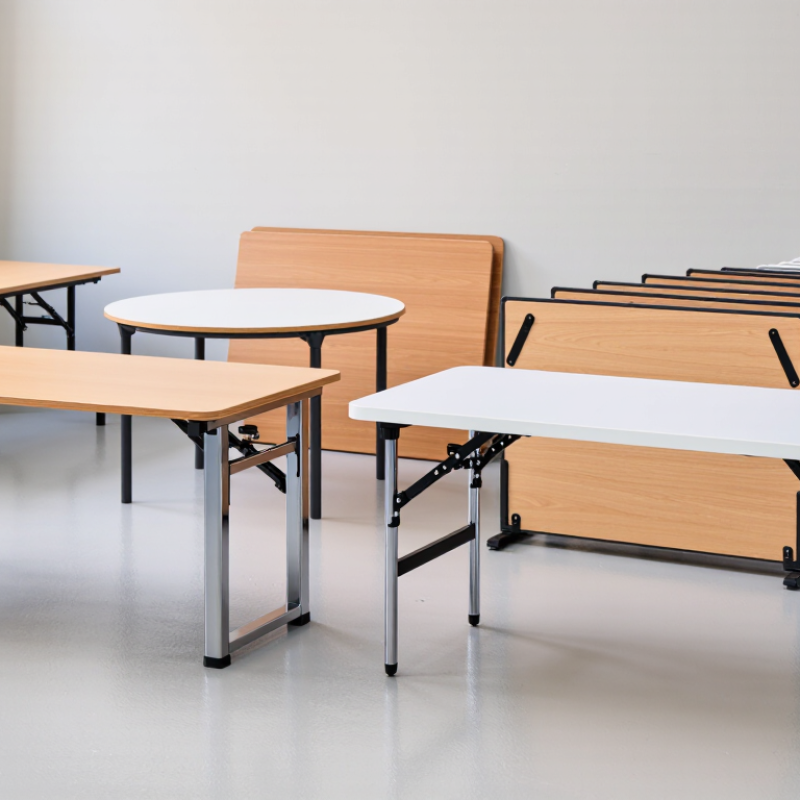
What Defines a Foldable Table for Wholesale Buyers in 2026?
2026 Best Foldable Table for Wholesale Buyers?
What Defines a Foldable Table for Wholesale Buyers in 2026?
A wholesale-ready foldable table is more than a low-cost unit that fits in a carton. It should match a clear use case, such as event service, classroom seating, or temporary retail displays. Buyers can compare open dimensions, folded thickness, table weight, and stated load capacity before requesting quotes. These details affect storage, handling, and product suitability. Small differences matter.
Check the frame joints, leg locks, and tabletop edges on a physical sample. Open and close it repeatedly, then look for wobble, pinch points, or loose fittings. Ask how load ratings are tested and whether production units follow the same inspection process. A smooth folding action feels reassuring, but it does not prove long-term durability. That trade-off is easy to underestimate.
Wholesale decisions also depend on packaging and consistency. Measure the carton, estimate pallet quantity, and confirm whether protective corner pieces prevent scuffs during transit. Request clear specifications for materials, finish, and packed weight, then compare them with the delivered sample. No single configuration suits every order. A lighter table may reduce handling effort, while a heavier frame can feel steadier on uneven floors. Buyers should verify the intended use rather than rely on appearance alone.
Key Materials, Frame Designs, and Folding Mechanisms
A foldable table’s top material affects weight, appearance, cleaning, and long-term use. High-density polyethylene is light and resists moisture, making it practical for catering, events, and outdoor setups. Plywood can offer a warmer, more rigid surface, but exposed edges need careful sealing. Check thickness and underside support, not just the surface finish. Small details matter.
Frame design determines how confidently a table stands on uneven floors. Steel frames often feel solid and suit frequent commercial use, while aluminum reduces carrying weight. Inspect leg joints, cross braces, welds, and protective coatings on a physical sample. A thicker frame is not automatically better; poor alignment can still cause wobble. Ask suppliers for load ratings and clarify how those figures were tested.
Folding mechanisms deserve hands-on testing before a wholesale order. Look for hinges that open smoothly, locking braces that engage securely, and release points that do not pinch fingers. Test the table repeatedly, then check whether its legs fold flat and stay closed during storage. A heavier top may feel reassuring, yet slow setup for one person. That trade-off is easy to miss in a product photo. Request packed dimensions, carton weight, and replacement-part availability alongside the quoted price.
2026 Best Foldable Table for Wholesale Buyers? — Key Materials, Frame Designs, and Folding Mechanisms
Typical material density helps buyers compare material mass, but it does not determine a complete table’s weight or load capacity. Plywood density varies by wood species, grade, and moisture; frame profile, material thickness, joints, and folding hardware also affect finished-product performance.
How to Compare Table Sizes, Weight Capacity, and Durability
For wholesale buyers, the best folding table is the one that fits its actual job. Compare open dimensions with the room layout, not just the product listing. A six-foot table may suit catering, while narrower models can leave more aisle space in classrooms or compact venues. Check folded dimensions too; they affect storage and shipping. Small details matter.
Tips: Ask for the rated weight capacity and confirm how the load should be distributed. A centered stack of supplies differs from weight concentrated near an edge. If possible, inspect a sample: open and close it several times, then check whether the legs lock firmly and the tabletop sits level. Specs are useful, but handling reveals things a sheet may miss.
Durability depends on more than tabletop thickness. Look closely at hinge joints, leg braces, edge finishing, and the stability of the frame on uneven floors. For frequent transport, compare product weight against the strength needed for repeated use. Consider where tables will be used, since moisture, sunlight, and rough handling can shorten service life. There is no perfect choice for every buyer. A sample may feel sturdy in a showroom yet behave differently after weeks of setup and storage, so review return terms and replacement-part availability before placing a large order.
Wholesale Pricing, Minimum Orders, and Supplier Evaluation
For wholesale buyers, the lowest unit price rarely tells the whole story. Ask suppliers to quote several quantities, such as 100, 300, and 500 tables, and separate product, packaging, and freight costs. Confirm the minimum order quantity for each size and color. A low MOQ may help with a trial order, while larger runs can reduce the unit cost. Check that quotes specify tabletop material, frame finish, folded dimensions, and rated load capacity. Details matter.
Tips: Request a physical sample before approving a bulk order. Open and close it repeatedly, then check for wobble, sharp edges, and uneven feet. Ask for carton dimensions and gross weight; these affect storage and shipping estimates. Get the production lead time and payment schedule in writing. Keep the quote.
Supplier evaluation should include more than a polished catalog. Ask how the supplier checks table stability and what happens when a batch arrives with damage or inconsistent finishes. Review recent inspection records if available, and compare the answers across suppliers. Clear, specific replies are a useful sign, though they cannot guarantee a smooth order. A small trial shipment can reveal packaging problems before they affect a larger purchase. Even a careful spreadsheet can miss real handling issues.
Matching Table Types to Commercial and Event Applications
Commercial buyers should match table shape to room flow, not just unit price. The American Express Global Business Travel 2025 Global Meetings & Events Forecast found that 66% of surveyed professionals expected in-person meetings to increase. More gatherings mean more frequent setup changes. Rectangular folding tables suit training rooms, registration desks, and buffet lines because they align neatly and use floor space efficiently. For banquets, round tables support conversation, but require wider aisles. No shape fits every room.
Material and handling matter just as much. High-density polyethylene tops resist moisture and wipe clean quickly, making them practical for cafeterias, outdoor receptions, and rental fleets. Plywood tops can feel more substantial in formal settings, though edges need care. Steel frames are common; check hinge security, leg locks, and stated load capacity before bulk purchasing. A table that folds quickly saves labor, but only if staff can carry it safely. The forecast’s attendance trend is not a purchasing guarantee; local schedules and storage space still matter. One compromise is easy to miss: lighter tables move faster, yet may feel less stable on uneven floors. Request samples and test them in the actual setup.